
Trace of the Villa — a slow-burn mansion mystery built around clue reading and object logic
Trace of the Villa drops you into a decaying, off-grid estate where Jin searches for clues that might explain his missing sister’s disappearance. The game pairs environmental storytelling with puzzle loops that unlock encrypted documents, safes, and hidden systems as the house itself yields its history.

Quick facts
| Title | Trace of the Villa |
|---|---|
| Steam AppID | 3483660 |
| Release date | 28 May, 2026 |
| Developer / Publisher | Steadyturtle Co., Ltd. |
| Genres | Action, Adventure, Indie |
| Key Steam categories | Single-player; Color Alternatives; Custom Volume Controls; Playable without Timed Input; Subtitle Options; Family Sharing |
| Short premise | Jin follows a lead to a remote, deliberately forgotten mansion and finds manifests and hints that his missing sister may still be alive. |
Who is this for?
If you prefer atmospheric mystery adventure on PC — where narrative tone emerges from objects and locked spaces rather than constant action — Trace of the Villa is pitched at players who enjoy methodical investigation. It suits people who like reading clues across documents, restoring systems to reveal progression, and solving layered puzzles that tie into a darker story. The game’s Steam categories (single-player, subtitle options, and no timed input) point toward a paced, accessibility-minded experience.
What the game actually is
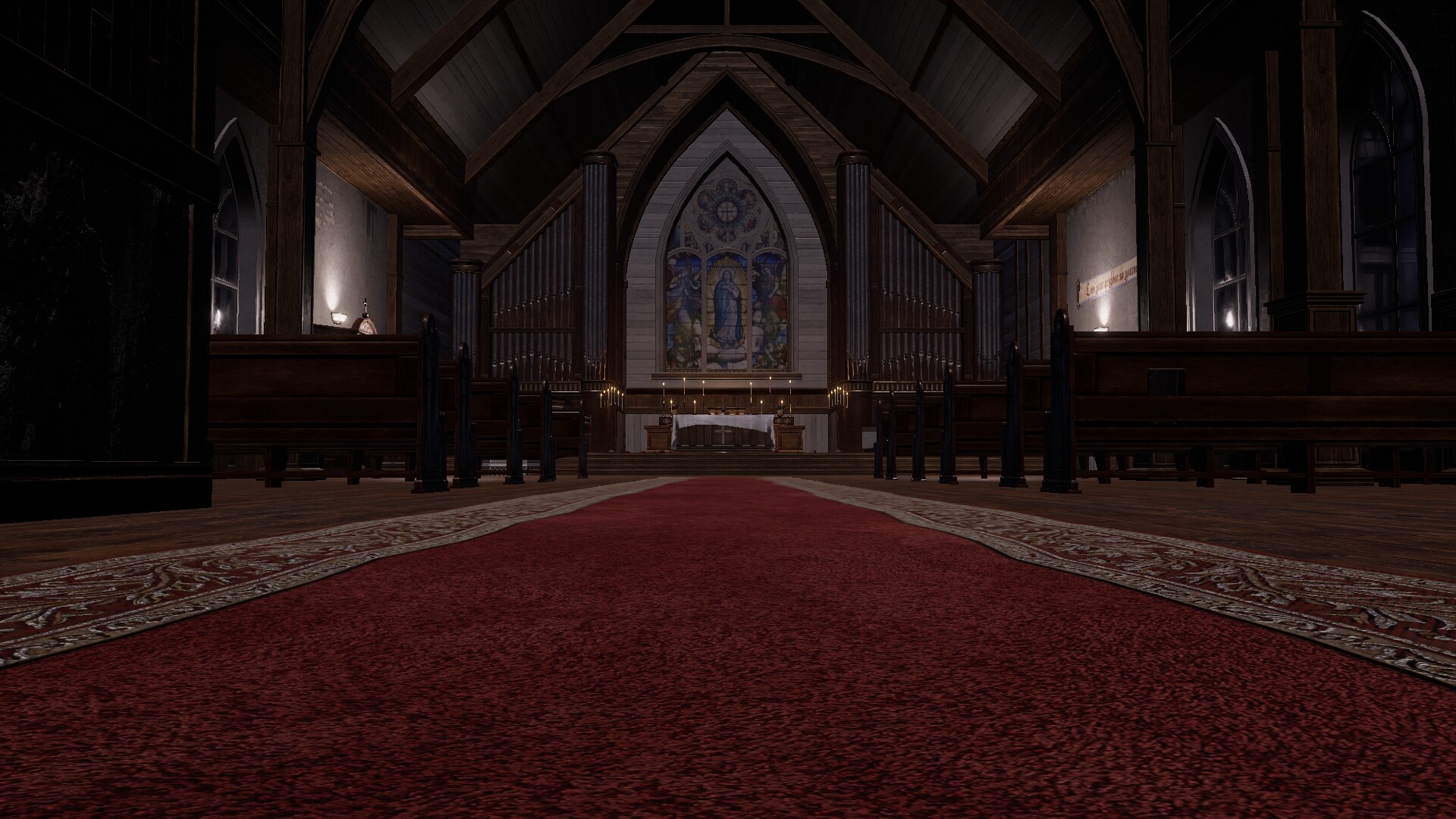
Trace of the Villa centers on Jin’s investigation inside an isolated mansion. Official Steam text describes rooms that appear “erased” rather than simply abandoned — furnishings left mid-routine, missing names and photographs, and locked doors that hide “hastily secured secrets.” Restoring power and bringing systems back online is a core narrative device: as secured systems return, hidden compartments, safes, and encrypted documents provide both puzzle content and story fragments. The game blends exploration, object-based puzzles, and document-reading to build a psychological investigation around a personal missing-persons case.

When and where
Trace of the Villa released on Steam on 28 May, 2026. It is listed on Steam with single-player and accessibility-friendly categories, and the store page is the primary PC discovery point for the title.
Why the mansion, why the clues?
The mansion setting functions as a contained narrative laboratory: empty rooms with intact objects let designers communicate history through placement, omission, and data fragments. In Trace of the Villa, the lack of photographs and the prevalence of falsified records lean into themes of erased identity and concealed movement — motifs that make ordinary object puzzles carry emotional weight. For players who value story delivered through environmental detail, this approach turns each unlocked safe or decrypted manifest into a narrative beat.
How you progress: clue reading and object logic
Progression is anchored in two complementary systems. First: clue reading — players recover manifests, transfer records, and partial documents whose context and phrasing must be interpreted to reveal leads. Second: object logic — locks, safes, and secured systems react to environmental solutions (restoring power, finding keys, combining items, or inputting derived codes). According to the official description, restoring estate power literally brings the house’s secrets online, so solving non-combat puzzles and turning over every physical clue are the primary engines of forward momentum.
Player scenarios — who will enjoy it most
- Slow-burn detective: You like methodical clue collection, note-taking, and slowly assembling timelines from fragmented documents.
- Environment-first storyteller: You prefer stories hinted at by set dressing and gaps in records rather than expository cutscenes.
- Puzzle players who dislike frantic timers: The Steam listing explicitly notes “Playable without Timed Input,” so puzzles reward careful thought over quick reflexes.
- Accessibility-minded players: The presence of subtitle options, color alternatives, and custom volume controls makes the experience more approachable for a wide audience.
How it compares (editorial discovery)
Below is a restrained comparison with a few other puzzle-driven titles framed by genre, atmosphere, puzzle focus, exploration style, and pacing. This is editorial discovery — not endorsement.
| Title | Core puzzle style | Atmosphere / tone | Exploration | Pacing |
|---|---|---|---|---|
| Trace of the Villa | Document-driven clues, locks, safes, systems restoration | Mansion mystery; erased identities and concealed operations | Contained estate with layered unlocks | Slow burn, investigative |
| The Room | Mechanical safe-and-box puzzles | Mysterious, tactile puzzle boxes | Discrete puzzle scenes | Focused, puzzle-centric |
| Escape Simulator | Highly interactive escape-room puzzles, physics interactions | Playful, hands-on escape rooms | Room-by-room, manipulable environments | Variable; often faster, co-op options |
| Unpacking | Object-placement, interpretive—story via possessions | Zen, domestic, quietly narrative | Static scenes that reveal life
Steam pageView Trace of the Villa on Steam YouTube discoveryFor trailer and gameplay discovery, use YouTube search rather than relying on unverified embeds: Find Trace of the Villa trailer and gameplay searches on YouTube. CommentsMore posts |
Leave a Reply