
Trace of the Villa: how puzzles whisper the story without shouting the answers
Trace of the Villa casts you as Jin, a searcher who follows a frayed trail into a remote, decaying mansion and recovers manifests, encrypted fragments and other hints that suggest his missing sister might still be alive. The game leans on environmental storytelling and puzzle-focused investigation: each locked system, safes’ contents and restored subsystem becomes a piece of evidence rather than an explicit narrator — a design choice that lets players assemble the narrative themselves without spoilers handed on a platter.

| Title | Trace of the Villa |
| Steam AppID | 3483660 |
| Release Date | 28 May, 2026 |
| Developer / Publisher | Steadyturtle Co., Ltd. |
| Genres | Action, Adventure, Indie |
| Key PC / Steam features | Single-player; Color Alternatives; Custom Volume Controls; Playable without Timed Input; Subtitle Options; Family Sharing |
Who this is for
If you prefer atmospheric mystery adventure and clue-driven exploration over instant exposition, Trace of the Villa is addressed to you. Players who enjoy slow-burn suspense, piecing together story from documents and systems, and who favor investigation that rewards careful reading and object logic should wishlist it. The game’s Steam feature list (single-player, subtitles, accessibility options like color alternatives and no timed inputs) also signals a pace oriented toward thoughtful play rather than twitch reaction.
What the game actually does
Officially, Jin’s search leads him to a mansion severed from the grid where rooms look as if occupants vanished mid-routine. Restoring power and unlocking secured systems reveals hidden compartments, safes, fragments of encrypted documents and suspicious transfer records. These discoveries are presented as evidence — manifests and hints that point toward a broader operation — and each puzzle you solve unlocks another piece of the pattern rather than spelling it out.
When and where to play
Trace of the Villa launched on Steam on 28 May, 2026. It’s a Steam PC release with the usual Steam store page resources (screenshots, header art, and store description) and Steam-friendly accessibility features listed on the page.
Why the theme matters
The mansion-as-evidence approach matters because it ties puzzle design to narrative discovery. When puzzles are built as investigative tools — encrypted notes, secured transfer records, systems that only return when power is restored — they change the player’s goal from mere puzzle completion to contextual interpretation. That keeps the story ambiguous enough to protect major beats while rewarding patient, logic-driven players with the satisfaction of synthesis.
How puzzles reveal story without spoiling it
Puzzle mechanics in Trace of the Villa act like clues in a dossier: each solved lock or powered terminal yields artifacts (manifests, hints, fragments) that accumulate into a timeline and pattern. The official description emphasizes restored systems and safes yielding encrypted fragments and suspicious transfer records — not tidy expository cutscenes. That design lets players infer motives and connections from items and documents; the game hands evidence, not conclusions.
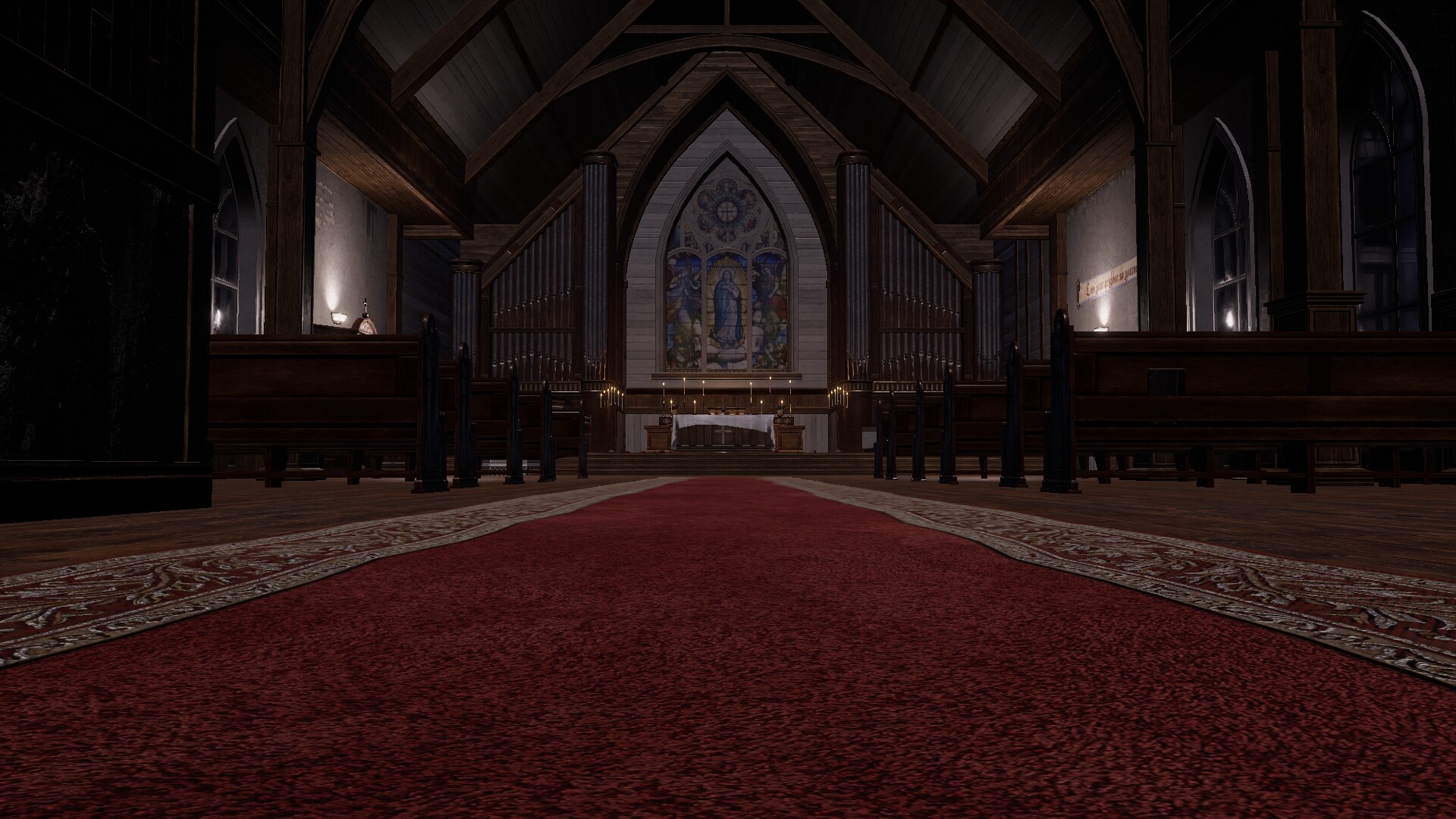

Player scenarios — should you wishlist it?
- You like forensic reading: You enjoy cataloguing documents, tracing financial or identity anomalies, and letting small details change your theory of the case.
- You want slow-burn atmosphere: If you prefer tension built from environment and implication rather than constant jump-scares, the mansion’s erased-history tone fits.
- You value accessibility and control: Steam-listed features like subtitle options, color alternatives and no timed input make it suited to players who need or prefer deliberate pacing.
- You want evidence-led puzzles: If you want puzzles that function as narrative evidence — revealing manifests, encrypted fragments and transfer records — this design will feel satisfying.
How it compares — editorial discovery, not endorsement
Below is a concise editorial comparison to nearby puzzle-adventure titles, focused strictly on tone, puzzle emphasis and player fit.
| Title (year) | Tone / Atmosphere | Puzzle Focus | Exploration Style | Player fit |
|---|---|---|---|---|
| Trace of the Villa (2026) | Decaying mansion; erased identities; psychological investigation | Clue-driven puzzles tied to evidence (manifests, encrypted fragments, systems) | Linear house exploration; systems reopen as you progress | Players who prefer narrative inference, document-based evidence, and slow-burn suspense |
| The Room (2014) | Mysterious, tactile occult atmosphere | Mechanical object puzzles, intricate devices and locks | Confined, puzzle-box rooms with layered mechanisms | Players who relish mechanical puzzle-gadgets and tactile problem solving |
| Unpacking (2021) | Zen, everyday-life observation | Environmental, item-placement puzzles that reveal life stories | Domestic spaces unfolded across time | Players who enjoy subtle storytelling through objects and routine tasks |
| Escape Simulator (2021) | Varied, community-driven room scenarios | Interactive escape-room-style puzzles, physics and manipulation | Highly interactive rooms; multiplayer or solo | Players who want hands-on puzzle interaction and community-made content |
YouTube discovery
For trailers and gameplay clips, use this YouTube search path to find videos related to Trace of the Villa (search results may include trailers, streams and indie coverage): Search Trace of the Villa on YouTube. This is provided as a discovery route; individual videos should be checked for official source attribution.
Final verdict guidance
Trace of the Villa is for players who prefer puzzle mechanics that double as narrative evidence. If you like assembling timelines from documents, restoring systems to reveal fragments of a larger conspiracy, and playing at a contemplative pace with accessibility options, add it to your wishlist on Steam. If you want fast action or explicit narrative handholding, its slow-burn, evidence-first approach may feel deliberately restrained.
Leave a Reply