
Trace of the Villa: Why Environmental Dread and Quiet Uncertainty Matter More Than Shock
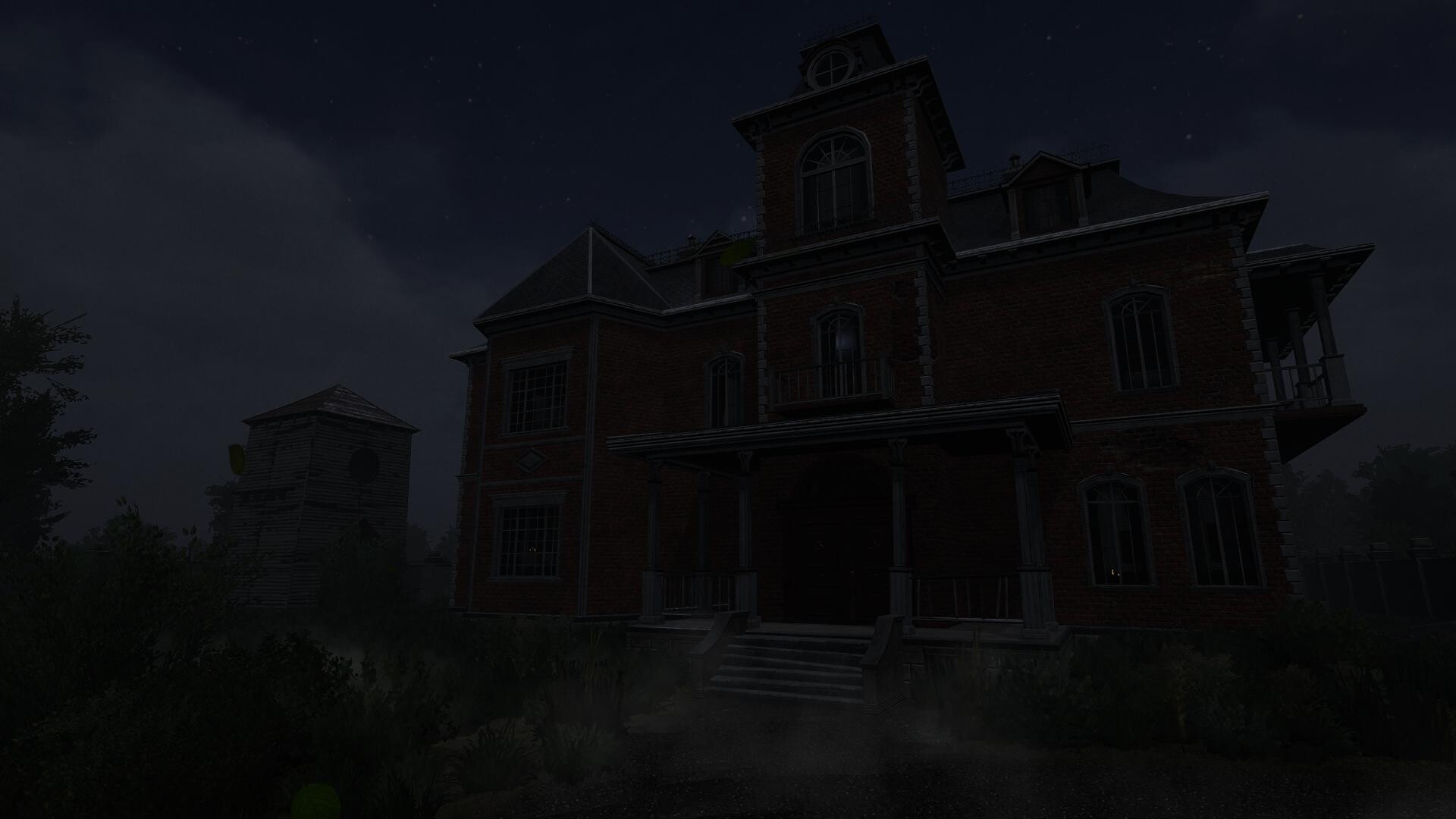
Trace of the Villa trades headline scares for sustained unease: a decaying, deliberately erased mansion and a protagonist piecing together manifests and encrypted fragments. The game leans on silence, room design, and slow-revealed systems to make small details feel dangerous rather than relying on jump scares.

| Title | Trace of the Villa |
|---|---|
| Developer / Publisher | Steadyturtle Co., Ltd. |
| Release date | 28 May, 2026 |
| Genres | Action, Adventure, Indie |
| Categories / Accessibility | Single-player; Color Alternatives; Custom Volume Controls; Playable without Timed Input; Subtitle Options; Family Sharing |
| Steam page | Trace of the Villa on Steam |
What the game is
The official short description frames the premise: “Jin has spent years searching for his missing sister, pursuing leads that took him to a remote, decaying mansion where he recovered manifests and hints that indicate his sister may still be alive, somewhere at the end of the trail he is about to follow.” The fuller Steam description positions the mansion as a property that feels “less abandoned than erased” — rooms left mid-routine, missing personal identifiers, locked doors concealing secured secrets.
Who it’s for
- Players who prefer slow-burn, story-rich atmospheric mystery adventures over fast-paced jump-scare experiences.
- People who value environmental storytelling: reading logs, restoring systems, and treating interiors themselves as characters.
- Those who want accessibility options like subtitles, custom volume controls, and play without timed input.
When and where
Trace of the Villa launched on 28 May, 2026 and is listed on Steam. The Steam page lists developer and publisher as Steadyturtle Co., Ltd., and highlights single-player and accessibility categories suitable for PC/Steam players.
Why environmental dread and silence are the primary tools
On its Steam page the mansion is described as “cut off from the grid and deliberately forgotten,” and the writing repeatedly highlights absence: no photographs, no names, “as if identities themselves were removed.” That absence is the engine of dread here. Instead of startling the player with loud cues, the game uses:
- Room composition that suggests interrupted routines — a table set, a lamp still on, doors hastily secured — prompting the player to imagine the moment of disappearance.
- Gradual systems restoration: the official description says “When Jin restores power to the estate, the house begins to reveal what it was hiding.” Restoring systems becomes a mechanic and a narrative beat.
- Puzzles that open layers of a concealed operation: safes, encrypted fragments, and falsified identities create a forensic pace where each solved puzzle reframes prior assumptions.
How you progress — the investigation loop
The Steam description spells out the investigative rhythm: recover manifests and hints inside a remote mansion, restore power to bring systems back online, unlock hidden compartments and safes, and follow financial and identity traces that “lead nowhere.” Progress is clue-driven exploration and puzzle-solving: each discovery yields more documents and encrypted fragments that point toward the mansion’s larger, obscured purpose.

How it compares — quiet dread vs. other psychological horror approaches
| Title | Release | Tone / Atmosphere | Focus | Pacing |
|---|---|---|---|---|
| Trace of the Villa | 28 May, 2026 | Decaying, erased domestic spaces; forensic silence | Clue-driven exploration, restoring systems, document puzzles | Slow-burn, investigative |
| Amnesia: The Dark Descent | 8 Sep, 2010 | Claustrophobic dread, vulnerability-focused | Survival-leaning exploration and immersion | Often tense, with prolonged vulnerability |
| SOMA | 21 Sep, 2015 | Existential, atmospheric sci-fi horror | Philosophical narrative with environmental puzzles | Measured; story and dread unfold through encounters |
| Layers of Fear (2016) | 15 Feb, 2016 | Surreal, psychologically unstable house | Shifting mansion spaces tied to storytelling | Variable; leans into disorientation and reveal |
| Poppy Playtime | 12 Oct, 2021 | Playful surface with aggressive set-piece threats | Puzzle mechanics with recurring antagonists | More moment-driven, set-piece oriented |
Player scenarios — who should wishlist this on Steam
- If you enjoy methodical exploration and reading every opened file, wishlist it: the Steam page centers on manifests, encrypted fragments, and gradual system restoration.
- If you prefer puzzle loops that recontextualize earlier discoveries, this fits—you follow financial trails, falsified identities, and locked records rather than fast combat or timed chases.
- If you want atmospheric PC mystery games with explicit accessibility options (subtitles, custom volume, non-timed input), Trace of the Villa is built with those categories in mind.
- If you need constant action or loud, immediate threats, note the game’s emphasis on environmental dread and slow-burn tension rather than momentary shocks alone.
YouTube discovery
Search for trailers and gameplay: Trace of the Villa trailer & gameplay (YouTube search). This link points to public search results; it is provided as a discovery path rather than proof of any single official video.
View Trace of the Villa on Steam
Disclaimer: referenced titles and trademarks belong to their respective owners. Comparisons above are editorial discovery and not endorsements or claims of superiority.
Leave a Reply