
Trace of the Villa: a locked‑room mystery built around power, space, and evidence
Trace of the Villa puts you in Jin’s shoes: a private search that starts in a decaying, off‑grid mansion and turns into a methodical reconstruction of what happened there. The game leans on a gameplay loop built around restoring power, reopening sealed rooms and piecing together financial and identity fragments to map a hidden operation.

Who this is for
If you prefer story‑rich, slow‑burn mystery on PC — an atmospheric mystery adventure that rewards careful observation and chained clues — Trace of the Villa is aimed at you. The Steam listing identifies it in Action, Adventure and Indie genres and lists single‑player and accessibility options such as color alternatives, custom volume controls, subtitles and “playable without timed input,” which suits players who want a measured investigation rather than twitch reflex challenges.
What the game is
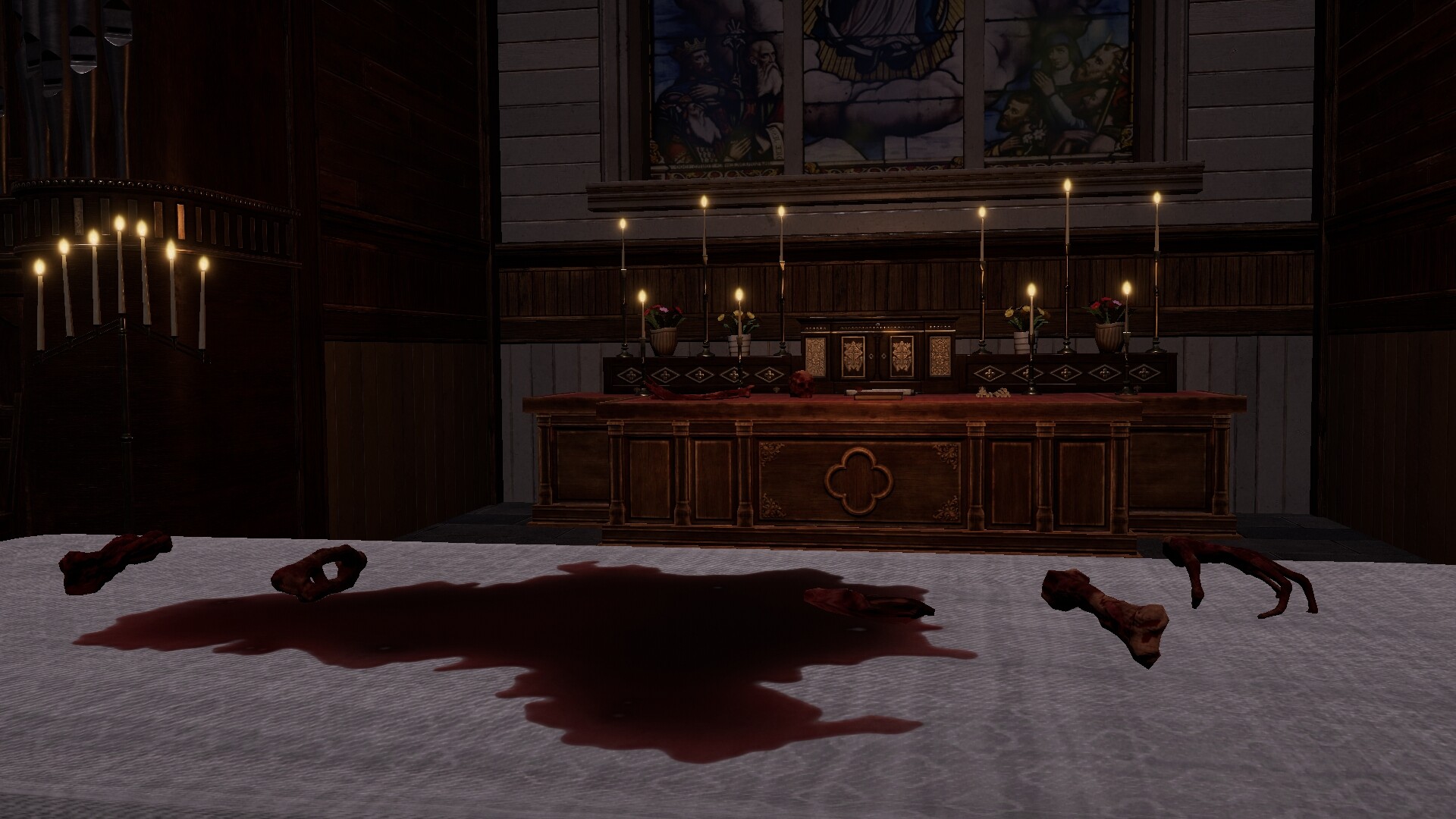
Trace of the Villa follows Jin, who has searched for his missing sister for years and is led to a remote, deliberately forgotten mansion. According to the official Steam description, the estate is cut off from the grid and “less abandoned than erased”: rooms look as though occupants vanished mid‑routine, locked doors hide secured secrets, and personal items remain while names and photographs are missing. When Jin restores power, secured systems come back online, hidden compartments open, and safes yield fragments — encrypted documents and suspicious transfer records — that expose a pattern of arrivals and departures masked by falsified identities.
When and where: Steam details
| Title | Trace of the Villa |
|---|---|
| Release date | 28 May, 2026 |
| Developer / Publisher | Steadyturtle Co., Ltd. |
| Genres | Action, Adventure, Indie |
| Key Steam categories | Single‑player; Color Alternatives; Custom Volume Controls; Playable without Timed Input; Subtitle Options; Family Sharing |
| Steam page | Trace of the Villa on Steam |
Why the setting and theme matter
The mansion setup is classic locked‑room thinking but angled toward procedural discovery: rather than a single puzzle box, the house itself is layered with systems that must be reactivated. That framing shifts emphasis from isolated riddles to chains of evidence — restoring power doesn’t just turn on lights, it reanimates devices, unlocks electronic safes and lets the environment speak in a new register. For players who enjoy environmental storytelling and narrative puzzle design, that scaffolding makes every solved lock a narrative beat that exposes another lead.
How you progress: the gameplay loop
The official description centers the player loop on three interlocking actions:
- Restore power to parts of the estate — powering systems brings locked interfaces and clues back online.
- Unlock and explore previously sealed rooms — physical and electronic locks conceal documents, safes, and hidden compartments.
- Reconstruct evidence chains — encrypted documents, suspicious transfer records and altered identities form fragments you must stitch together to reveal patterns.
Those steps create a clue chain approach rather than isolated puzzles: something you power may reveal a document that points to a safe code or to another room’s access panel, and combined artifacts build a timeline of movement through the property.

Specific player scenarios — who should wishlist it
- If you enjoy methodical, detective‑style play (reading manifests, comparing transfer records, following financial traces) and prefer single‑player pacing, this game fits.
- If you need accessibility options (subtitle support, color alternatives, no timed inputs), the Steam page lists features that make it approachable.
- If you want co‑op or a physics‑heavy escape‑room toolset (moveable furniture, level editors), this is not advertised as that kind of multiplayer sandbox — look elsewhere if social construction is your priority.
- If you like a slow reveal where each unlocked system reframes the last discovery, the power→unlock→reconstruct loop is central to the experience described on Steam.
How it compares to nearby mystery and puzzle games
Below is a concise editorial comparison focused on tone, puzzle focus, exploration style and pacing — intended to help readers decide which experience matches their tastes.
| Title | Core genre | Puzzle / investigation focus | Exploration style | Pacing / tone | Best for players who… |
|---|---|---|---|---|---|
| Trace of the Villa | Action / Adventure / Indie | Clue chains built from powered systems, safes and documents | Mansion exploration tied to reactivated devices and locked spaces | Slow‑burn, atmospheric, investigative | Players who want environmental storytelling with procedural evidence reconstruction |
| The Room | Adventure / IndieYouTube discoveryFor trailer and gameplay discovery, use YouTube search rather than relying on unverified embeds: Find Trace of the Villa trailer and gameplay searches on YouTube. Reader decision checklistUse this checklist before deciding whether Trace of the Villa belongs on your Steam wishlist. The game is most relevant if you enjoy reading environmental evidence, following document trails, inspecting rooms for small inconsistencies, and letting a mystery unfold through objects rather than exposition. It is less about instant spectacle and more about the slow pressure of a place that seems to have been deliberately erased. SEO note for discovery-minded playersPlayers searching for atmospheric mystery adventure, clue-driven exploration, mansion mystery game, story-rich indie adventure, psychological investigation game, or narrative puzzle design are likely looking for the same core appeal: a PC game where the setting is not just a backdrop but the main source of evidence. Trace of the Villa fits that search intent because its official Steam premise centers on Jin, his missing sister, a remote mansion, restored systems, hidden compartments, safes, encrypted documents, and a trail of suspicious records. Final player-fit summaryWishlist Trace of the Villa if you want a slow investigation built around official Steam store elements: a 28 May, 2026 release from Steadyturtle Co., Ltd., a single-player PC/Steam mystery structure, official screenshots showing the mansion atmosphere, and a premise that uses the house itself as a puzzle box. The strongest fit is for players who prefer patience, observation, and narrative reconstruction over fast combat or loud horror beats. CommentsMore posts |
Leave a Reply