
Trace of the Villa — a mansion mystery built around missing-person stakes and slow-burn investigative pacing
Jin has spent years searching for his missing sister, and Trace of the Villa sets that private obsession at the centre of an atmospheric mystery adventure. The game asks players to treat a decaying, deliberately forgotten mansion like a crime scene: restore its systems, unlock its secrets, and follow manifests that suggest the sister may still be alive.

Quick facts
| Title | Trace of the Villa |
|---|---|
| Steam appid | 3483660 |
| Release date | 28 May, 2026 |
| Developer / Publisher | Steadyturtle Co., Ltd. |
| Genres | Action, Adventure, Indie |
| Key Steam categories | Single-player; Color Alternatives; Custom Volume Controls; Playable without Timed Input; Subtitle Options; Family Sharing |
Who this is for
Trace of the Villa suits players who prize narrative curiosity over high-octane spectacle. If you enjoy slowly peeling back layers of setting through environmental storytelling, piecing together encrypted documents and manifests, and following a single, emotionally charged lead — this is built for you. Accessibility options such as subtitle support, color alternatives, and “playable without timed input” make it a reasonable match for players who prefer a considered pace and fewer reflex demands.
What the game is
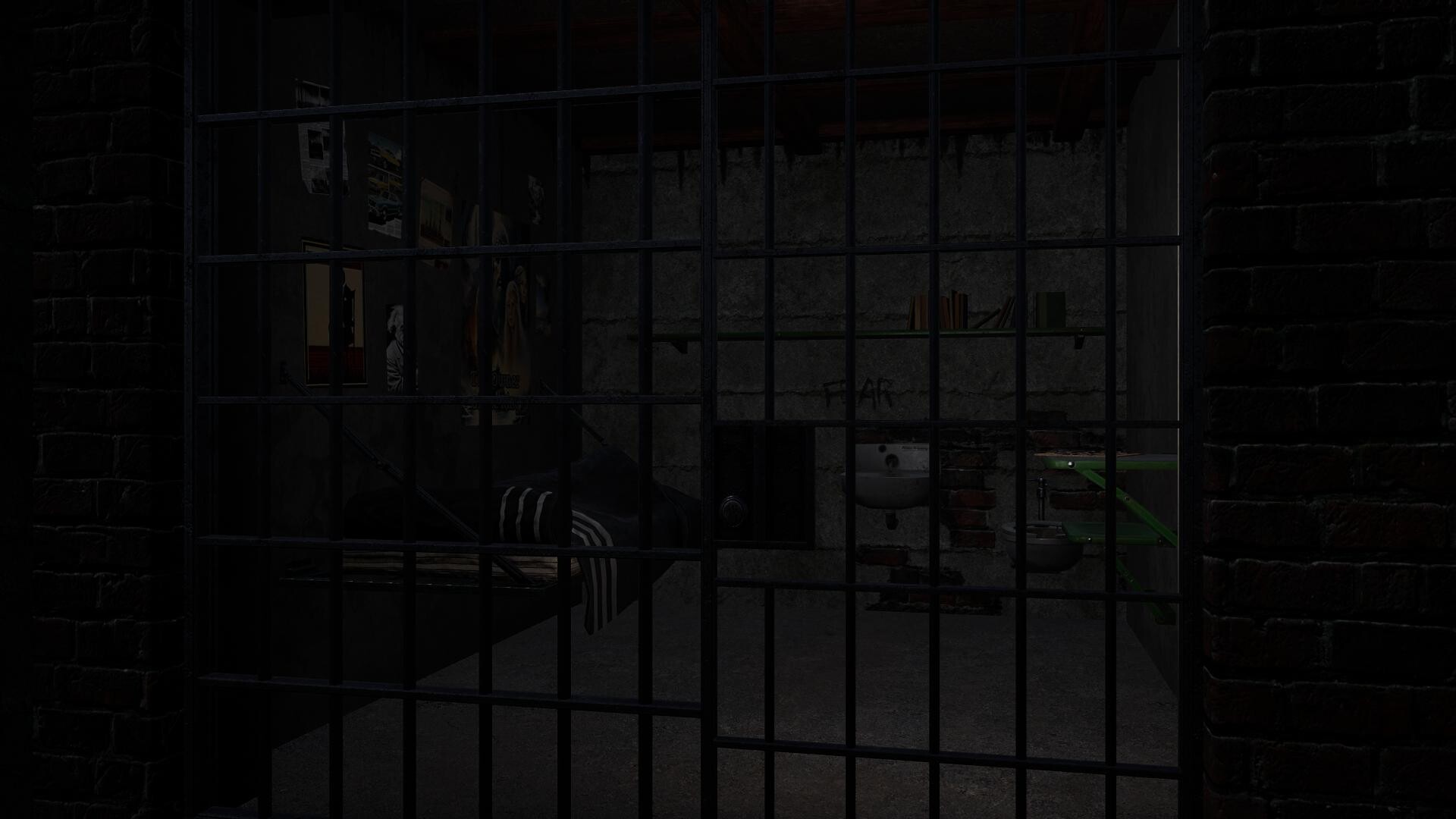
The official premise places Jin at the centre: years of searching for a missing sister lead him to a remote, decaying mansion where manifests and hints indicate she may still be alive somewhere at the end of the trail. Inside the estate, the house feels less abandoned than erased — rooms set as if occupants vanished mid‑routine, locked doors, personal belongings with no names or photographs. When Jin restores power, secured systems, hidden compartments and safes start revealing fragments of encrypted documents and suspicious transfer records. The game frames investigation as a combination of exploration, puzzle-solving, and forensic reading of traces left behind.
When and where to play
Trace of the Villa released on Steam on 28 May, 2026 and is available on PC. The Steam page lists the developer and publisher as Steadyturtle Co., Ltd., and the store entry highlights single-player play and several accessibility options.
Why the missing-person stakes matter here
Many mystery games trade in atmosphere alone; Trace of the Villa wires atmosphere to a clear, personal objective. Jin’s search for his sister turns each unlocked safe or decrypted manifest into emotional evidence rather than abstract puzzle completion. The missing-person premise raises the stakes of every discovery: a ledger entry or a transfer record isn’t just world-building — it’s a possible lead toward someone’s fate. That framing changes how you consume environmental detail: carefully, suspiciously, and with an eye for patterns that could become routes of pursuit.
How you progress — reading clues and solving the mansion
The store description outlines the core loop: restore estate systems to bring parts of the house back online, unlock hidden compartments, and open safes that yield fragments of encrypted documents and suspicious transfer records. Progress is driven by layered discoveries — one solved puzzle or restored system reveals a new trail of records, manifests, or falsified identities that suggest controlled movement of people through the property. Expect a puzzle structure that privileges careful observation, pattern recognition, and the ability to assemble timelines from partial evidence rather than fast reflexes.

Player scenarios — who will enjoy their time in the mansion
- The methodical investigator: You like building timelines from small clues, tracking falsified identities, and following financial or manifest trails. The missing-person core gives focus to that forensic style of play.
- The atmospheric explorer: You want a slow-burn mansion mystery where rooms themselves tell stories — not jump scares, but unease in the absence of names and photographs.
- The puzzle-aware storyteller: You prefer puzzles that unlock narrative fragments rather than puzzles as ends in themselves. Each solved puzzle should deepen a sense of conspiracy and control.
- The accessibility-conscious player: You need subtitle options or prefer no timed inputs; the Steam categories indicate settings that support those preferences.
How it compares — a short editorial comparison
| Title | Genres / Focus | Tone | Puzzle / Exploration | Pacing |
|---|---|---|---|---|
| Trace of the Villa | Action, Adventure, Indie — story-rich investigation | Mansion mystery; unsettling, forensic | Environmental storytelling, restoring systems, encrypted documents | Slow-burn, clue-driven |
| Inscryption | Adventure, Indie, Strategy — card-based odyssey | Dark, psychological; metafictional | Deckbuilding meets escape-room style puzzles | Variable — often tense and puzzle-forward |
| Outer Wilds | Action, Adventure — open-world mystery | Curious, cosmic; exploratory | Exploration-driven learning, physics and systems puzzles | Leisurely but discovery-focused |
| Journey | Adventure, Indie — contemplative exploration | Poetic and atmospheric | Traversal and environmental discovery over explicit puzzles | Gentle, meditative |
| The Forgotten City | Adventure, Indie, RPG — narrative time-loop mystery | Philosophical, investigative | Dialogue and puzzle-driven morality mystery | Measured, story-heavy |
| The Medium | Adventure — psychological exploration | Psychological horror; spiritual duality |
Leave a Reply