
Trace of the Villa — an inspection-heavy mansion mystery built around object logic and clue chains
Trace of the Villa (Steadyturtle Co., Ltd.) drops players into a decaying mansion as Jin, a man following tentative leads that suggest his missing sister may still be alive. Released on 28 May, 2026, the game layers environmental reading, restored systems, and locked compartments to make information recovery itself the core puzzle loop.

Who should wishlist Trace of the Villa?
If you prefer slow-burn suspense and puzzle solutions that come from reading objects and environments rather than twitch reflexes, Trace of the Villa is aimed at you. The Steam listing identifies it as Action / Adventure / Indie and flags accessibility features such as “Playable without Timed Input” and “Subtitle Options,” so players who like deliberate, inspection-heavy play and who value optional pacing controls should consider it.
What the game is
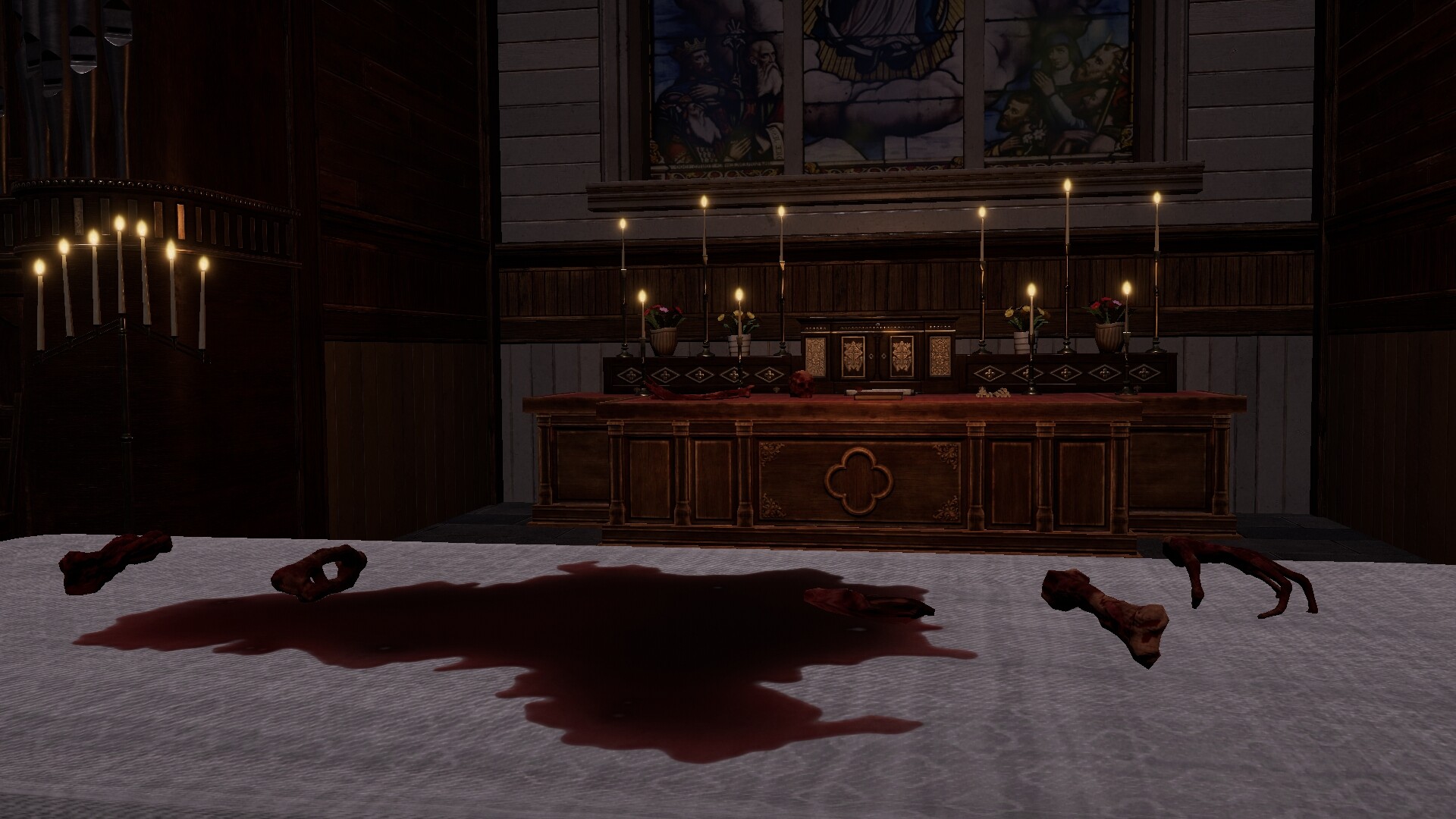
Officially, Trace of the Villa follows Jin as he explores an isolated, deliberately forgotten mansion where rooms look as if occupants vanished mid-routine. Restoring power reveals secured systems, hidden compartments, safes and fragments of encrypted documents; each clue uncovers more of a broader, secretive operation. The Steam page frames the experience as a narrative puzzle-driven investigation with an emphasis on environmental storytelling and financial/identity mysteries.
When and where
Trace of the Villa released on 28 May, 2026 and is available on Steam for PC. The developer and publisher listed on the store page are both Steadyturtle Co., Ltd.
Why the mansion premise matters
Thematically, the mansion setup turns ordinary items into evidence. Because the house is described as “less abandoned than erased,” every misplaced or missing object becomes meaningful: missing photographs, sanitized records, and sealed safes all act as negative and positive space for puzzle design. That focus makes the game appealing to players who enjoy narrative puzzles where reading context—who used a room, which systems were disabled, what paperwork was falsified—feeds both story and solution.
How progression, clue chains and object logic work here
- Inspection-first loop: the Steam description emphasizes restoring power and reactivating secured systems, which suggests the primary action is careful observation—turning on a system, then examining newly available outputs.
- Locked-room thinking: locked doors, safes and hidden compartments are explicit elements on the store page; expect layered locks that must be decoded through environmental evidence rather than rote item-combination puzzles.
- Clue chains: fragments of encrypted documents and transfer records are cited as gameplay objects. In practice, that means partial information will likely compel players to assemble multiple small discoveries into a coherent lead.
- Object logic and environmental puzzles: because identities and records appear sanitized in the mansion, players will need to infer relationships from remaining artifacts and restored system outputs rather than direct exposition.
Concrete player scenarios
Scenario A — The methodical investigator
You enjoy taking notes, cross-referencing scraps, and repeatedly checking a previously visited room after flipping a breaker. Trace of the Villa’s restored systems and revealed compartments reward that kind of iterative inspection.
Scenario B — The narrative-first explorer
You want atmosphere and a slow reveal of a sinister operation. If uncovering financial trails and falsified identities through environmental cues appeals more than combat or action puzzles, this is aligned with your tastes.
Scenario C — The accessibility-minded puzzler
The Steam categories include “Playable without Timed Input” and “Subtitle Options,” which make the game a reasonable pick for players who prefer puzzles without time pressure and who rely on text-based cues.

Quick facts
| Title | Trace of the Villa |
|---|---|
| Release date | 28 May, 2026 |
| Developer / Publisher | Steadyturtle Co., Ltd. |
| Genres | Action, Adventure, Indie |
| Steam categories | Single-player; Color Alternatives; Custom Volume Controls; Playable without Timed Input; Subtitle Options; Family Sharing |
| Short premise (official) | Jin searches a remote, decaying mansion for clues that his missing sister may still be alive; restored power reveals hidden compartments, encrypted documents and troubling transfer records. |
How Trace of the Villa compares to other escape-room style and puzzle-focused titles
Below is a focused editorial comparison on genre, puzzle focus, interactivity and pacing—helpful to decide if this is the right fit for your playstyle.
| Trace of the Villa | The Room | Escape Simulator | The Room Two | |
|---|---|---|---|---|
| Primary genre / tone | Action / Adventure / Indie — atmospheric mansion mystery, slow-burn suspense | Adventure / Indie — tactile, cabinet-based puzzles with a cryptic tone | Adventure / Simulation / Indie — physics-rich escape rooms, often playful | Adventure / Indie — expansion of The Room’s cryptic, exploration-first puzzles |
| Puzzle focus | Inspection-heavy, object logic, clue chains tied to restored systems and documents (officially described) | Tactile object puzzles and mechanical decoding | Highly interactive object manipulation, moveable items, community rooms | Tactile and layered puzzle sequences similar to The Room |
| Interactivity | Environmental reading and system restoration are emphasized | Single-room, highly detailed object interaction | Full room interactivity, cooperative and community content | High detail object interaction across multiple environments |
| Pacing | Deliberate, investigation-led (narrative and documents drive progress) | Measured and contemplative | Variable—can be quick or extended depending on room design | Measured, often deliberate like The Room |
| Best for players who like | Clue-driven narrative, environmental storytelling, forensic reading of rooms | Mechanical puzzles and tactile mystery | Hands-on interaction, co-op play, and user-created rooms | Puzzle atmosphere with cryptic mechanical devices |
YouTube discovery
To find trailers or gameplay footage, search YouTube for Trace of the Villa gameplay or trailer: Trace of the Villa — YouTube search. This link is a discovery path and does not assert the presence of any single official video.
Leave a Reply