
Trace of the Villa: an atmospheric, clue-driven mansion mystery that makes systems and safes into its puzzles
Trace of the Villa is a slow-burn, story-rich adventure about Jin’s search for his missing sister inside a remote, decaying mansion; restoring power and reactivating the estate’s systems is the catalyst for uncovering locked compartments, safes and fragmented documents. Released on 28 May, 2026 by Steadyturtle Co., Ltd., the game leans into environmental storytelling and chained clues rather than reflex tests.

| Title | Trace of the Villa |
|---|---|
| Developer / Publisher | Steadyturtle Co., Ltd. |
| Release date | 28 May, 2026 |
| Steam appid | 3483660 |
| Genres / Tone | Action, Adventure, Indie — atmospheric mystery adventure, psychological investigation vibes |
| Categories / Accessibility | Single-player; Color Alternatives; Custom Volume Controls; Playable without Timed Input; Subtitle Options; Family Sharing |
What the game actually is
Trace of the Villa positions you as Jin, who follows leads to a remote mansion where manifests and hints suggest his sister may still be alive. The Official Steam description emphasises systems and infrastructure as puzzle elements: when Jin restores power to the estate, secured systems come back online, hidden compartments unlock and safes yield fragments of encrypted documents and suspicious transfer records. These recovered artifacts form the clue chains that drive investigation and story progression.

When and where — Steam context
Trace of the Villa launched on Steam on 28 May, 2026. The Steam page presents the game as single-player and accessible (color alternatives, subtitle options, custom volume controls, and playable without timed input). If you want to check the store page directly, use the official Steam link below.
Why the theme — locked-room thinking and systems as clues — matters
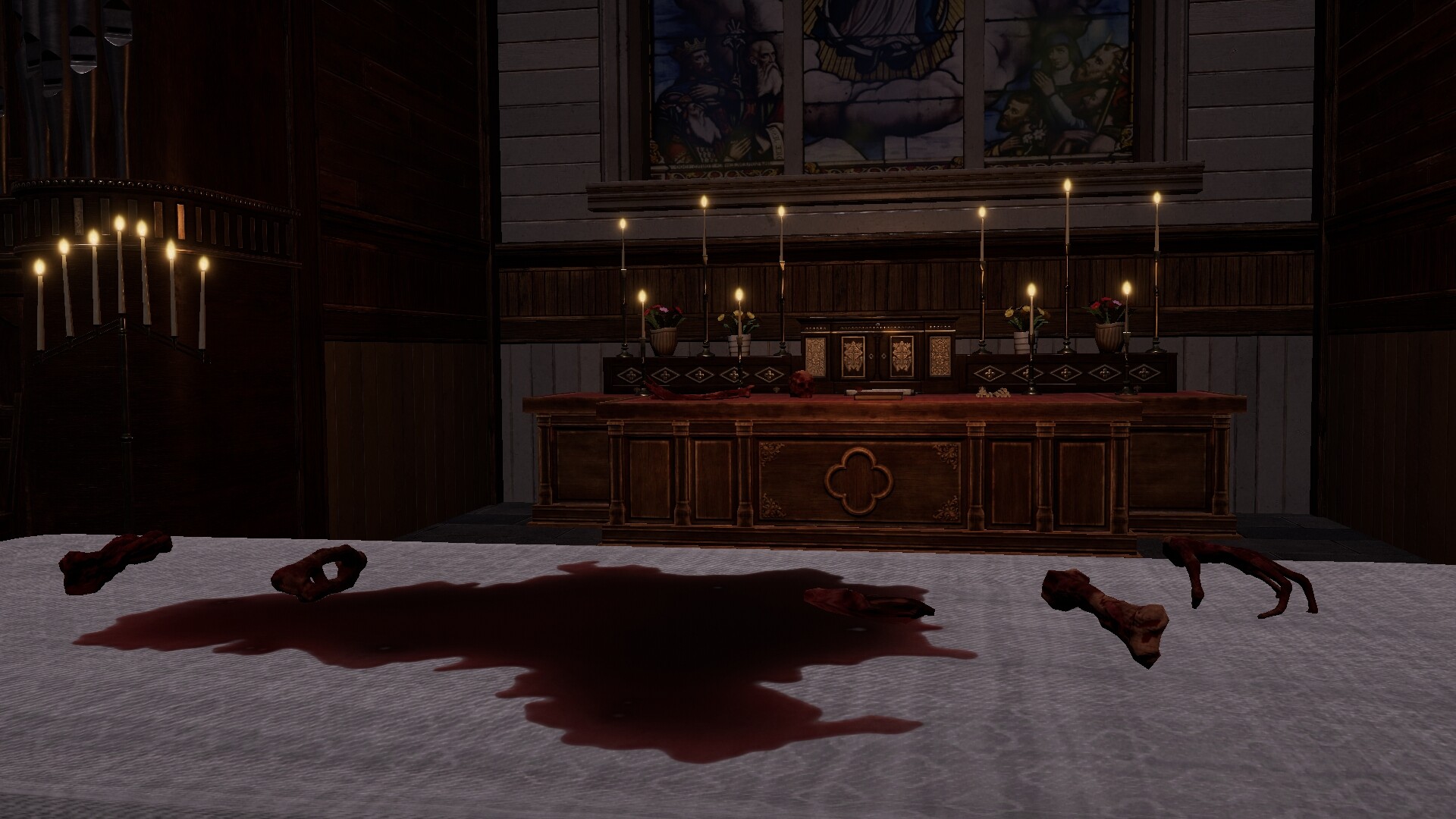
Many escape-room-style mystery games reduce puzzles to isolated locks and one-off riddles. Trace of the Villa makes the estate itself a systemic puzzle: power, security, safes and archived records are not just obstacles but evidence. That changes the logic players use — you’re not always solving puzzles in isolation but tracing how systems interact, reading the environment for what restoring a circuit or booting a terminal will reveal next. The game’s pacing and atmosphere (a decaying mansion with signs of past occupancy) reward slow attention to detail and chaining small discoveries into a larger timeline.
How you progress — reading clues, restoring systems and following chains
- Restore infrastructure: the official premise makes restoring power a primary action. When systems come back online they reveal locked doors, logs or mechanical linkages.
- Open secured containers: safes and hidden compartments yield fragments — encrypted documents and suspicious transfer records are specifically mentioned on the Steam page.
- Piece together timelines: manifests and occupancy hints are the connective tissue; recovered documents point to falsified identities and financial trails that don’t add up.
Mechanically, that means progression is often forensic rather than dexterity-based: examine, cross-reference, and apply recovered details to new systems rather than brute-forcing with timed inputs. The Steam categories confirm this accessibility approach with “Playable without Timed Input” and subtitle and control options listed.
Who should wishlist it — concrete player scenarios
- Locked‑room thinkers who prefer systemic puzzles: if you enjoy puzzles that depend on restoring or manipulating in‑game systems rather than isolated inventory riddles, this is a fit.
- Environmental readers and narrative-driven players: the mansion’s furnished-but-erased rooms, manifests and transfer records reward players who scan environments and synthesize small clues into narrative hypotheses.
- Slow-burn mystery fans who dislike twitchy mechanics: the Steam page lists Playable without Timed Input and accessibility options, making it suitable for players who want to focus on thinking and reading rather than quick reactions.
How Trace of the Villa compares to nearby mystery and puzzle games
| Title | Genre / Atmosphere | Puzzle focus | Exploration / Pacing | Player fit |
|---|---|---|---|---|
Leave a Reply