
Who should consider Trace of the Villa after playing atmospheric mystery adventures?
Trace of the Villa is a slow-burn, document-driven mansion mystery that puts evidence and environmental storytelling at the center of investigation. If you enjoy reading between the lines of ruined rooms, restoring systems to unlock sealed secrets, and following a trail of manifests and encrypted records, this is a Steam indie to watch.

Quick facts
| Title | Trace of the Villa |
|---|---|
| Release date | 28 May, 2026 |
| Developer / Publisher | Steadyturtle Co., Ltd. |
| Steam appid | 3483660 |
| Genres | Action, Adventure, Indie |
| Categories | Single-player; Color Alternatives; Custom Volume Controls; Playable without Timed Input; Subtitle Options; Family Sharing |
| Short premise | Jin recovers manifests and hints in a remote, decaying mansion that suggest his missing sister may still be alive. |
What Trace of the Villa is
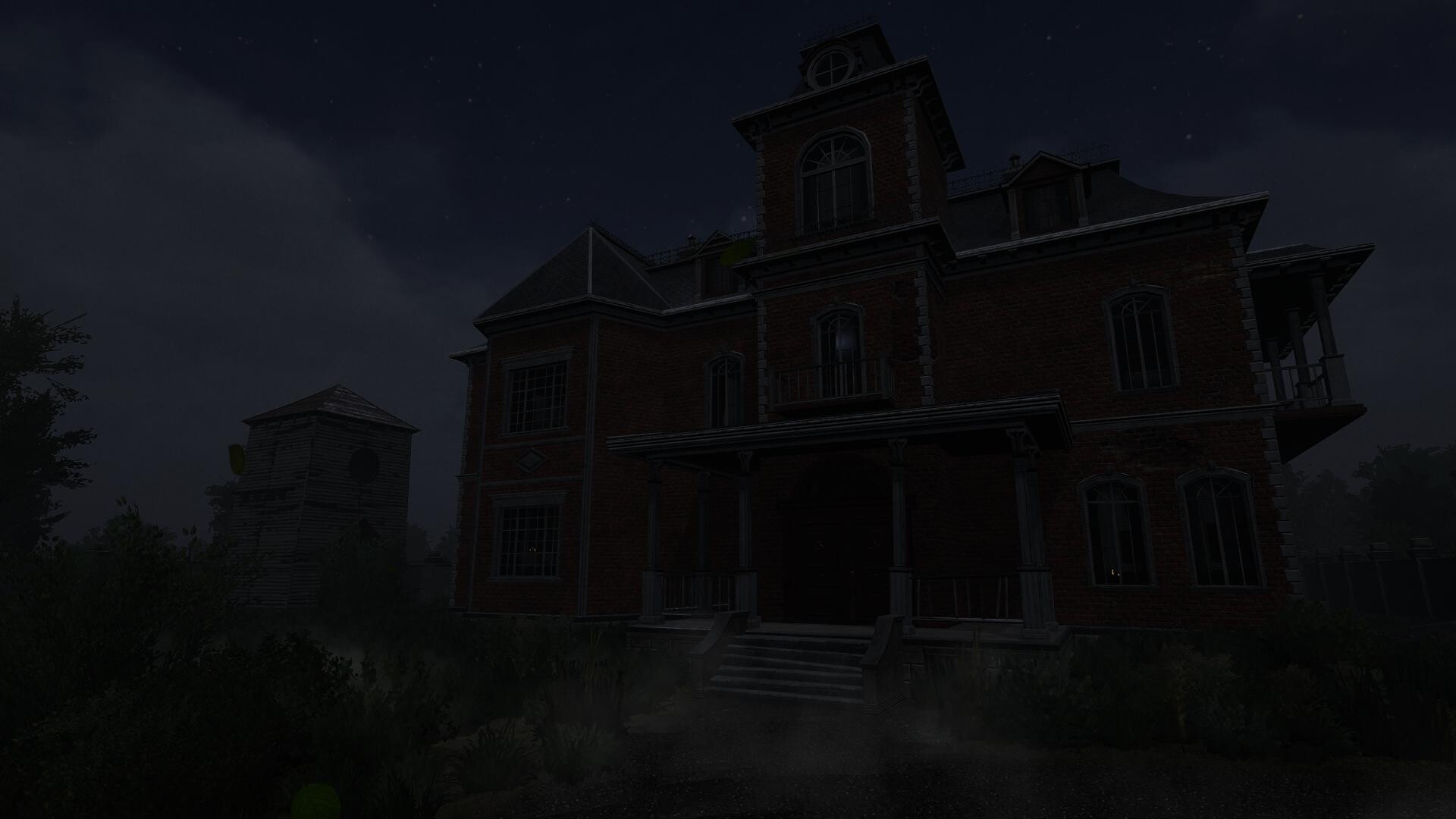
According to the Steam page, Trace of the Villa casts you as Jin, an investigator following leads that culminate in an off-grid mansion. The estate is presented as intentionally erased: furnished rooms with no personal names or photos, locked doors and systems that, when reactivated, reveal fragments of encrypted documents and suspicious transfer records. The official description frames the game as an evidence-led, puzzle-supported investigation that links personal stakes (a missing sister) with a broader clandestine operation.
Who this fits
This is aimed at players who prefer clue-first mystery adventures rather than action-heavy horror. If you like slowly uncovering timelines from manifests, decrypting documents, scanning financial trails and restoring power to let the environment reveal itself, Trace of the Villa will likely match your expectations. The game’s categories (single-player, subtitle options, no timed-input requirement) support thoughtful exploration at your own pace.
When and where to play
Trace of the Villa is available on Steam for PC; the official release date on Steam is 28 May, 2026. You can view the store page directly here: Trace of the Villa on Steam.
Why the documents-and-dark-rooms angle matters
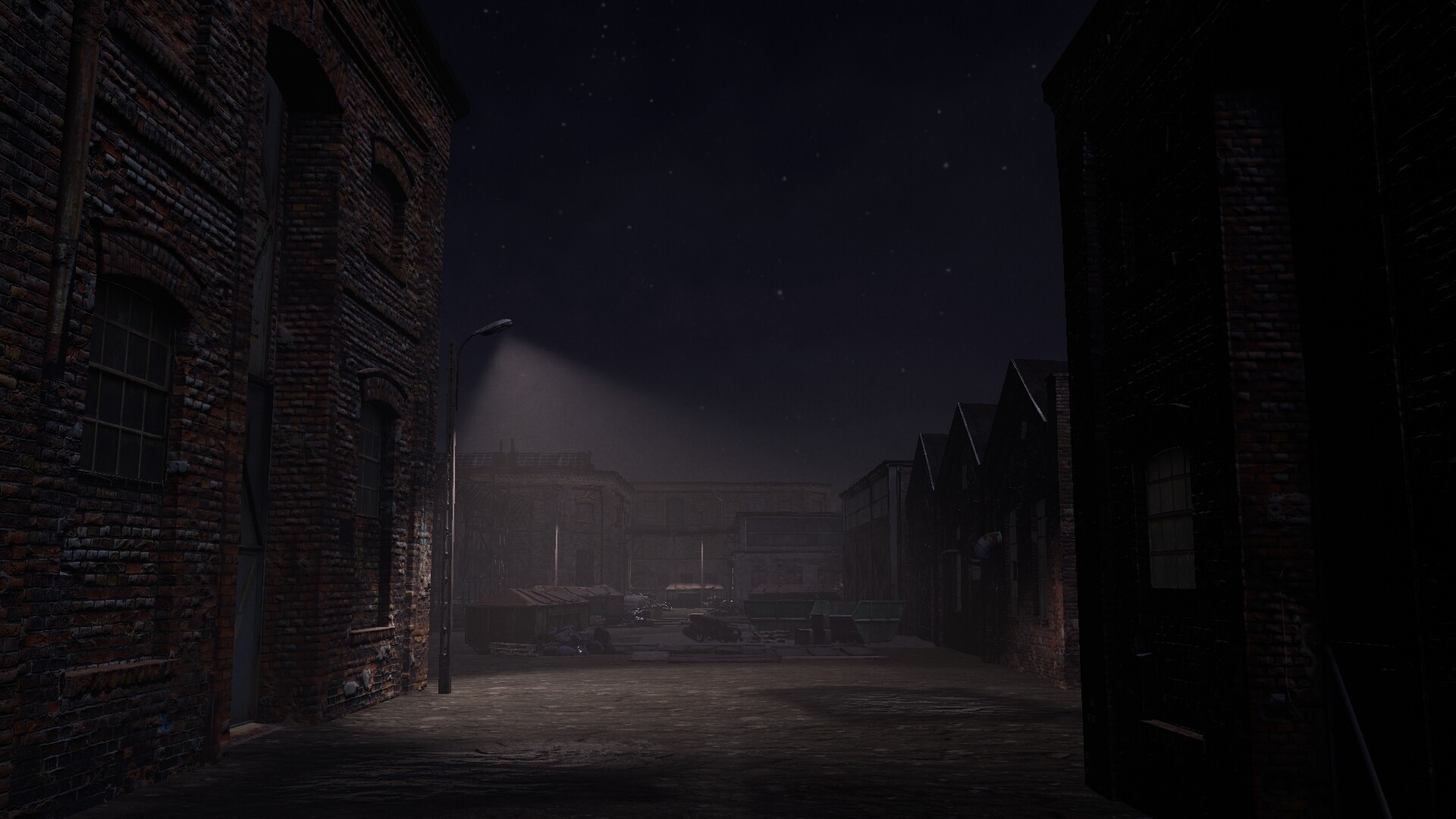
The game’s focus on manifests, encrypted documents and falsified identities shifts the investigative emphasis from jump scares to forensic piecing-together. That appeals to players who enjoy narrative puzzle design that rewards careful reading, pattern recognition and reconstructing timelines. The mansion setting and “erased” identities create atmospheric tension through absence — rooms frozen mid-routine, missing photographs, and secured systems that only yield secrets once you restore power.
How you progress—evidence, systems, puzzles
The official description describes a progression loop where restoring estate power and reactivating secured systems unlocks hidden compartments, safes and fragments of encrypted documents. Each solved puzzle unveils another layer of evidence: manifests, suspicious transfer records and falsified identities. That suggests a gameplay rhythm of environmental exploration, examine-and-collect, then return to locked systems or encryption puzzles to advance the timeline.
Which players should wishlist it — concrete scenarios
- Investigation-first players: You prefer following manifests, encrypted fragments and financial trails to reconstruct events, not fast reflex segments.
- Mansion mystery fans: You enjoy exploration of decayed estates where emptiness and missing personal traces create atmosphere.
- Slow-burn narrative players: You like discoveries that recontextualize earlier rooms rather than constant surprises.
- Accessibility-minded players: You appreciate subtitle options and lack of timed inputs for a measured, thoughtful pace.
How it compares to some nearby mystery/adventure titles
| Title | Tone / Atmosphere | Puzzle focus | Exploration / Pacing | Player fit |
|---|---|---|---|---|
| Trace of the Villa | Mansion mystery; evidence-led, document focus; erased identities | Decrypting documents, unlocking systems and safes; puzzle-driven evidence reveals | Slow-burn exploration; restore power to progress; single-player | Players who like forensic, narrative puzzle work and atmospheric rooms |
| Amnesia: The Dark Descent | Immersive first-person survival horror | Puzzle and survival elements within horror set-pieces | Highly atmospheric, immediacy and tension; survival mechanics affect pacing | Players wanting intense immersion and high-tension horror |
| SOMA | Sci‑fi horror, existential tone | Environmental puzzles supporting a narrative about identity | Exploration-heavy with narrative beats and unsettling atmosphere | Players who prefer story-driven, philosophical horror in an exploration framework |
| Layers of Fear (2016) | Psychological horror in an ever-shifting Victorian mansion | Environmental and sequence puzzles tied to storytelling | Shifting spaces and surreal pacing; emphasis on story and mood | Players who enjoy disorienting, art-focused psychological narratives |
| The Room | Focused, tactile puzzle mystery | Intricate mechanical puzzles around a central safe/object | Compact, puzzle-box pacing; short-session problem solving | Players who want tight, object-based puzzle gameplay |
| Rusty Lake Hotel | Dark, eerie point-and-click vignettes | Puzzle sequences structured around short chapters | Short, episodic exploration with surreal tone | Players who like bite-sized, story-rich puzzle chapters |
Use this table to decide whether you want a document-centric mansion mystery (Trace of the Villa) or a title that prioritizes survival, surrealism, or tight puzzle-box design.
YouTube trailer and discovery
If you want trailers or gameplay clips, search YouTube for Trace of the Villa — this is the suggested discovery path rather than a claim to a specific official video: Search Trace of the Villa on YouTube.
Final take
If your preferred mystery games hinge on reading documents, restoring systems to reveal hidden compartments, and following a breadcrumb trail of manifests and encrypted records—especially in a mansion that feels intentionally erased—Trace of the Villa matches that lane. Its Steam page and official description emphasize evidence-led investigation and narrative puzzle design, and the game’s accessibility categories make it suitable for methodical players who don’t want forced reflex checks.
Steam link and wishlist
Disclaimer: Referenced titles and trademarks belong to their respective owners. Comparisons in this article are editorial discovery only and not endorsements or claims of affiliation.
Leave a Reply