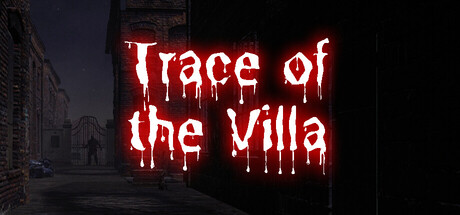
Trace of the Villa — why quiet uncertainty matters more than cheap shocks
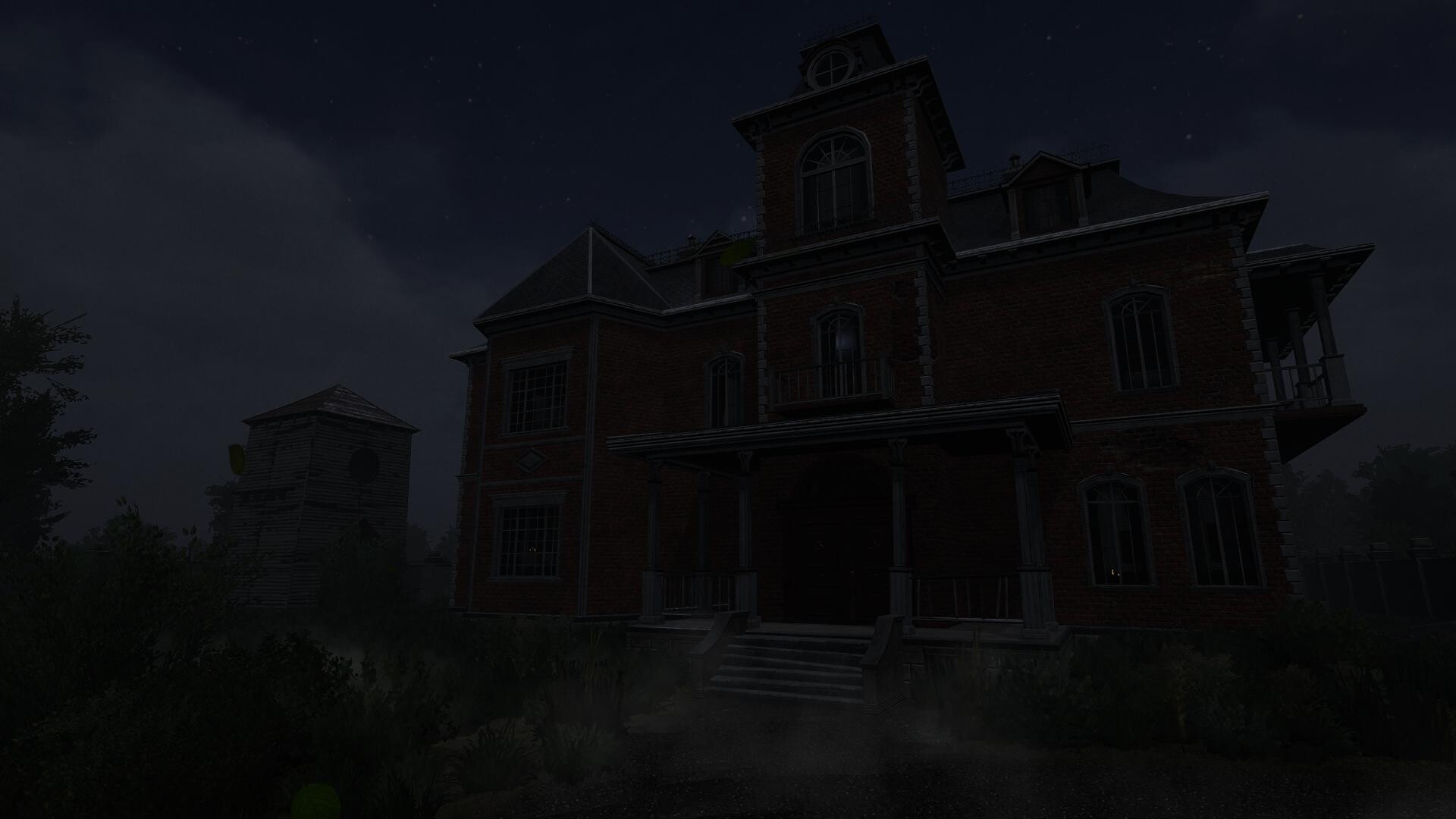
Trace of the Villa invites players into a decaying mansion where the horror comes from absence, erased identity, and a slow, escalating sense that rooms remember more than they should. It’s a story-driven, atmosphere-first mystery about a man named Jin following fragments of a trail that may lead to his missing sister.

Who this is for
If you prefer slow-burn suspense, environmental storytelling, and clue-driven exploration over jump-scare frenzy, Trace of the Villa will likely appeal. Players who value atmospheric mystery adventure, narrative puzzle design, and games that make silence and omission feel meaningful should wishlist this. Those who want rapid action or constant combat pressure may find the pacing deliberate — the Steam page lists the game under Action, Adventure, and Indie, with Single-player and accessibility categories such as Subtitle Options and Custom Volume Controls.
What the game is
Trace of the Villa (developer/publisher: Steadyturtle Co., Ltd.) places protagonist Jin in a remote, deliberately forgotten mansion after years searching for his missing sister. The estate feels less abandoned than erased: rooms set as if occupants left mid-routine, personal items without names or photos, locked doors and hidden systems. According to the official Steam description, restoring power and accessing secured systems reveals encrypted documents, suspicious transfer records, falsified identities, and other fragments that suggest this was never merely a residence.
When and where
Trace of the Villa released on 28 May, 2026 on Steam. You can view its store page here: Trace of the Villa on Steam.
Why the theme matters: unexplained spaces and identity erasure
Many contemporary psychological horror experiences pivot on explicit monster encounters or scripted scares. Trace of the Villa leans the other way: the mansion’s strangeness is semantic. Rooms furnished without photographs or names, records that point nowhere, and people who show up in documents but not in memory all create a cognitive gap — your brain instinctively fills it, and that act of filling becomes the game’s tension. Identity erasure here isn’t just a plot point; it’s a design lever. The absence of anchors (faces, dates, verifiable histories) makes every discovery feel like a small, unsettling revelation rather than a shouted scare.
How you progress: reading systems, power, and paper fragments
Progress is built on investigation and restoration. The official page describes moments where Jin restores power to the estate so secured systems come back online, hidden compartments unlock, and safes yield fragments of encrypted documents. Expect environmental puzzles that open new information channels rather than combat encounters: reading manifests, piecing together transfer records, and tracing falsified identities drive the narrative forward. That means patience and attention to detail are the primary tools — if you like assembling timelines from half-remembered clues, this will be satisfying.
Player scenarios — who should wishlist it
- Investigative player: You enjoy assembling a timeline from documents, restoring systems, and connecting financial traces to human stories.
- Atmosphere-first player: You value carefully constructed spaces where lighting, silence, and omission tell more than NPC dialogue.
- Story-focused explorer: You want a paced reveal where each solved device or unlocked safe replaces exposition with implication.
- Not for you if: You prefer constant combat, fast-paced platforming, or clear-cut horror setpieces every few minutes.
Compact facts — Trace of the Villa
| Title | Trace of the Villa |
|---|---|
| Steam AppID | 3483660 |
| Release date | 28 May, 2026 |
| Developer / Publisher | Steadyturtle Co., Ltd. |
| Genres | Action, Adventure, Indie |
| Categories (selected) | Single-player; Color Alternatives; Custom Volume Controls; Playable without Timed Input; Subtitle Options; Family Sharing |
| Short premise | Jin searches a decaying mansion for clues that his missing sister may still be alive. |

Quick editorial comparison
Below is a concise editorial comparison on lawful criteria — helpful if you’re deciding between similar tone-driven mystery/puzzle titles.
| Title | Genre / Release | Atmosphere & Tone | Puzzle / Exploration Focus | Pacing / Player Fit |
|---|---|---|---|---|
| Amnesia: The Dark Descent | Action/Adventure/Indie — 8 Sep, 2010 | Immersion and dread; a survival-horror nightmare | Environment-driven puzzles; hiding/stealth mechanics | Slow build to intense encounters; for players who want dread and vulnerability |
| SOMA | Action/Adventure/Indie — 21 Sep, 2015 | Sci-fi existential unease; questions identity and consciousness | Exploration with narrative puzzles; emphasis on story rather than combat | Measured pacing; suits players who like philosophical horror and tension |
| Layers of Fear (2016) | Adventure/Indie — 15 Feb, 2016 | Surreal, Victorian-tinged madness; psychological storytelling | Architecture and shifting rooms as puzzles; story through set-pieces | Intimate, unsettling pacing; fits players who prefer interpretive horror |
| Poppy Playtime | Action/Adventure/Indie — 12 Oct, 2021 | Abandoned toy-factory horror with tense chase moments | Puzzle tools (GrabPack) and environmental puzzles; stronger scriptedYouTube discoveryFor trailer and gameplay discovery, use YouTube search rather than relying on unverified embeds: Find Trace of the Villa trailer and gameplay searches on YouTube. CommentsMore posts |
Leave a Reply