
Trace of the Villa: an escape-room style mystery built on locked-room logic and clue chains
Trace of the Villa is a single-player, story-rich adventure about Jin’s search for a missing sister that unfolds inside a remote, decaying mansion. The game leans on environmental storytelling, chained puzzles and investigative pacing to reward players who read objects, restore systems and follow traces of falsified identities and hidden transfers.

Quick facts
| Title | Trace of the Villa |
|---|---|
| Developer / Publisher | Steadyturtle Co., Ltd. |
| Release date | 28 May, 2026 |
| Genres | Action, Adventure, Indie |
| Categories (Steam) | Single-player; Color Alternatives; Custom Volume Controls; Playable without Timed Input; Subtitle Options; Family Sharing |
| Official short description | Jin has spent years searching for his missing sister, pursuing leads that took him to a remote, decaying mansion where he recovered manifests and hints that indicate his sister may still be alive, somewhere at the end of the trail he is about to follow. |
| Steam page | Open Trace of the Villa on Steam |
Who this is for
This is aimed at PC players who enjoy atmospheric mystery adventure and psychological investigation more than twitch reflexes. If you favour slow-burn suspense, careful environmental reading, and puzzle chains where one solved lock or restored system produces the next clue, Trace of the Villa fits that playstyle. Steam categories confirm it is single-player and supports accessibility touches such as subtitles and color alternatives for longer investigative sessions.
What the game is — the investigative core
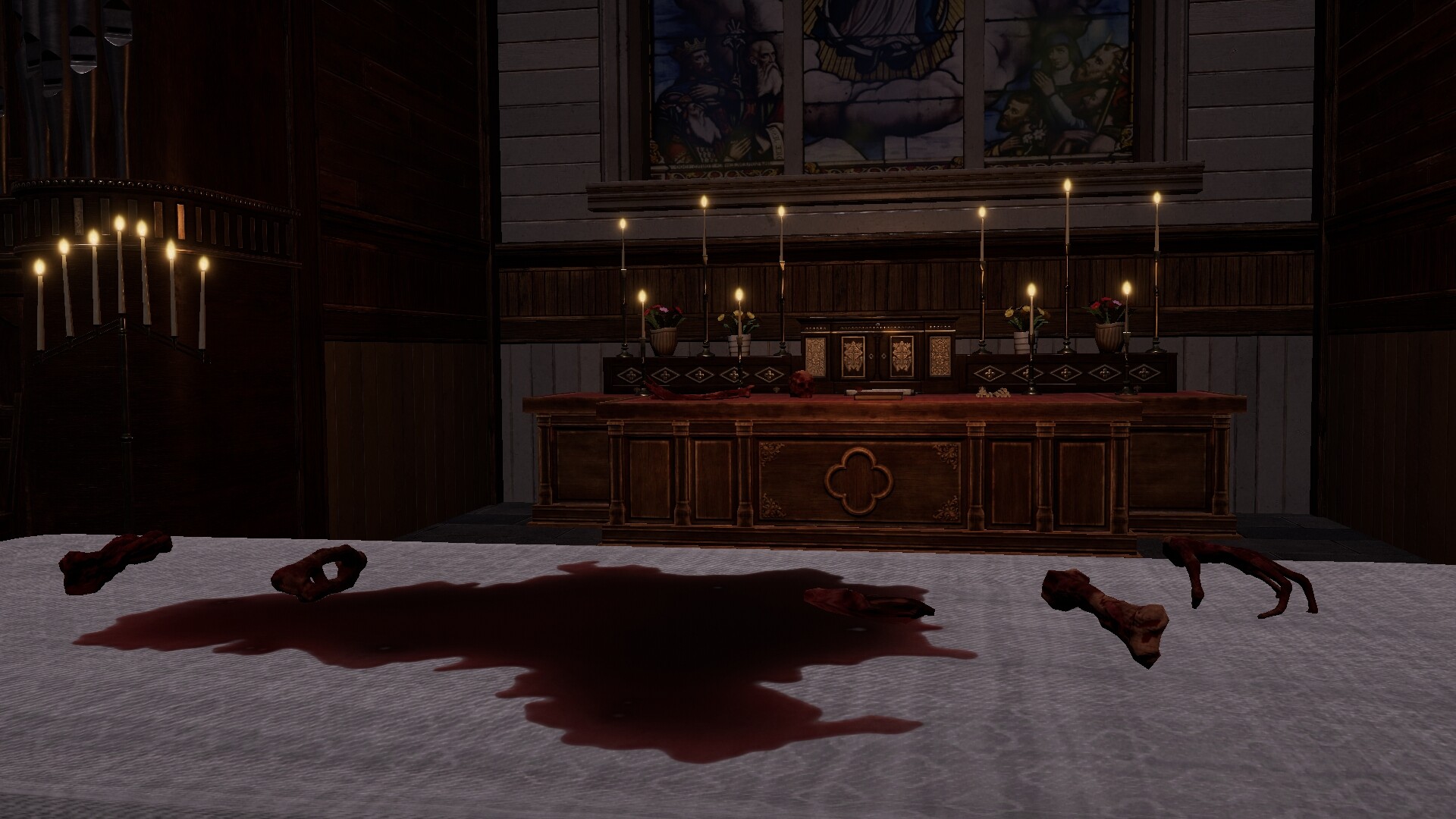
Trace of the Villa drops you into a deliberately forgotten mansion where the sense of occupancy has been “erased”: rooms appear mid-routine, personal items remain but names and photographs are missing, and secured systems hold the key to the timeline. Official descriptions say Jin restores power to the estate, unlocking hidden compartments, safes and fragments of encrypted documents. The progression is puzzle-chain momentum: one recovered manifest or clue points to another locked area or digit of a code, and the house slowly exposes a wider operation involving falsified identities and suspicious transfers.
When and where — Steam context
Trace of the Villa released on 28 May, 2026 and is listed on Steam for PC. The Steam page lists Steadyturtle Co., Ltd. as both developer and publisher and places the title in Action / Adventure / Indie genres. The store page also shows supportive accessibility and comfort options like custom volume controls, subtitle options, and the “playable without timed input” category that suits players who prefer measured, puzzle-focused play.
Why the mansion mystery matters
Mansion mysteries are a proven framework for layered information design: confined spaces concentrate meaningful objects, architectural boundaries let designers control discovery, and locked doors or offline systems act as gating devices that naturally create puzzle chains. Trace of the Villa uses those strengths to turn the environment into a forensic record — manifests, encrypted fragments and transfer records serve as narrative objects rather than mere set dressing, so every found item can alter the investigative direction.
How progression and clue-reading work
The official text describes restoring power, reactivating secured systems, and finding hidden compartments and safes that yield fragments of evidence. Practically, that implies a locked-room approach where you:
- read environmental cues (furniture, abandoned possessions, conspicuously blank spaces where IDs or photos should be),
- use recovered manifests and encrypted fragments to cross-reference names and timelines,
- restore estate systems to unlock new areas or reveal tampered records, and
- follow financial and identity threads that redirect the investigation beyond the immediate rooms.
That chain-oriented design rewards methodical note-taking and lateral thinking: a single solved safe tends to produce another lead rather than an isolated reward.

Player scenarios — who should wishlist it
- Slow-burn explorers: You enjoy long investigative sessions where every clue adds context and the payoff is narrative rather than combat spectacle.
- Puzzle-chain fans: You prefer puzzles that link logically — one solved lock pointing to the next — rather than isolated mini-games.
- Environmental readers: You take pleasure in reconstructing stories from objects, layouts and administrative traces like manifests or transfer records.
- Accessibility-minded players: You want a single-player PC experience listed with subtitle options and no required timed input.
How Trace of the Villa compares — quick editorial table
| Title | Core puzzle style | Atmosphere & tone | Multiplayer / Social | Exploration & pacing |
|---|---|---|---|---|
| Trace of the Villa | Environmental clue chains, system restoration, safes and encrypted fragments (single-player) | Mansion mystery, slow-burn psychological investigation | Single-player | Methodical, chained progression that opens new areas as systems are restored |
| The Room | Mechanical puzzle boxes and tactile safe puzzles | Isolated, eerie locked-room atmosphere | Single-player | Focused, compact puzzles with escalating mechanical complexity |
| The Room Two | Further elaborated mechanical and object puzzles | Mysterious, cryptic and intimate exploration | Single-player | Structured, scene-by-scene puzzle escalation |
| Escape Simulator | Highly interactive escape rooms; physics and object interaction | Playful to tense depending on room; community-made variety | Solo or co-op, online | Room-based with modular difficulty and community content |
| Hi-Fi RUSH | Action and rhythm-based combat (contrasts with puzzle focus) | Upbeat, fast-paced, stylized | Single-player | High tempo; not puzzle-centric |
Leave a Reply