
Trace of the Villa: rooms as puzzle spaces and story containers
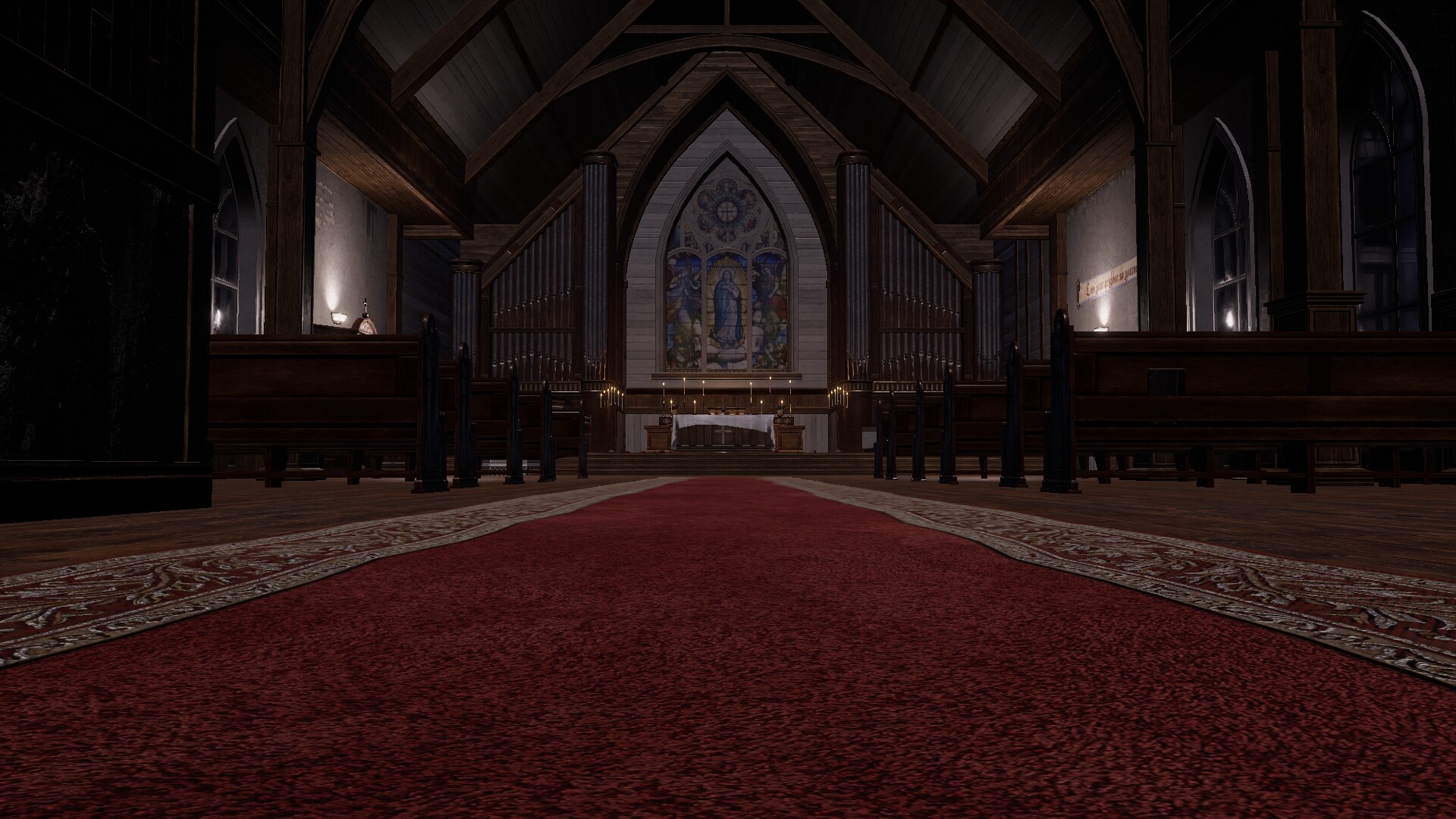
Trace of the Villa frames a decaying mansion as a sequence of rooms that act both as mechanical puzzles and as containers for an unfolding, personal mystery. Released on 28 May, 2026 by Steadyturtle Co., Ltd., it tasks Jin with restoring a forgotten estate’s systems and reading the traces left behind to answer whether his missing sister might still be alive.

Quick facts
| Title | Trace of the Villa |
|---|---|
| Developer / Publisher | Steadyturtle Co., Ltd. |
| Release date | 28 May, 2026 |
| Genres | Action, Adventure, Indie |
| Key Steam categories | Single-player; Color Alternatives; Custom Volume Controls; Playable without Timed Input; Subtitle Options; Family Sharing |
| Steam page | Trace of the Villa on Steam |
Who it’s for
If you prefer slow-burn suspense over instant scares, this is for players who enjoy atmospheric mystery adventure and environmental storytelling. People who like parsing documents, reactivating systems, and letting a house narrate its own erased past — rather than relying on loud set pieces — will find the mansion’s rooms rewarding. It sits in the same exploratory, clue-driven lane as story-rich adventure titles on PC and Steam.
What the game is
Trace of the Villa sends protagonist Jin into a remote, deliberately forgotten mansion where rooms feel “less abandoned than erased.” The estate’s furnishings, locked doors, and absence of names form an investigative environment: restoring power reactivates secured systems, hidden compartments unlock, and safes yield fragments of encrypted documents and suspicious transfer records. Those discoveries form the gameplay loop — puzzle solutions open up both mechanical progress and narrative fragments.
When and where
Trace of the Villa launched on Steam on 28 May, 2026. The game is listed as an Action / Adventure / Indie title and is presented for PC on Steam with single-player and accessibility options such as subtitle choices, custom volume controls, and color alternatives.
Why the mansion matters (theme & tone)
The mansion functions as a built argument: every room is a claim about what happened here. Furnishings left mid-routine, deliberately scrubbed identities, and sealed systems all push the player to read physical and digital clues the same way. That design treats rooms as narrative containers — spaces that hold evidence, mood, and motive. Reconstructing a life (or the absence of it) through objects and documents makes the investigation psychological as well as procedural.
How you progress: clue reading, object logic, and story puzzles
- Clue reading: fragments of manifests, encrypted documents, and suspicious transfer records are the primary textual breadcrumbs. The player’s attention to detail — dates, partial names, and item lists — converts environmental descriptions into new leads.
- Object logic: interacting with furniture, safes, and secured systems is a form of reasoning. Solutions come from combining visible object states with recently recovered documents and by restoring power to change the room’s affordances.
- Story puzzles: each solved puzzle yields narrative shards. Rather than a single reveal, the game layers evidence: financial trails that go nowhere, falsified identities, and patterns of arrivals and departures. Puzzles therefore serve both mechanical and expository purposes.

Player scenarios — who should wishlist it
- Investigative players who enjoy reading partial records and letting small discoveries accumulate into a theory about characters and institutions.
- Puzzle fans who prefer object-based solutions and environmental mnemonics rather than reflex-driven sequences; timed inputs are not required.
- Story-focused players who appreciate atmosphere, slow-burn suspense, and a psychological investigation set within a contained location (a mansion mystery).
- Accessibility-minded players who want subtitle options, color alternatives, and adjustable volume controls listed among the Steam categories.
How Trace of the Villa compares (editorial discovery)
Below is a compact comparison of Trace of the Villa against a few different puzzle and room-centric experiences, emphasizing genre, atmosphere, puzzle focus, and pacing rather than quality judgments.
| Title | Primary focus | Atmosphere & pacing | Puzzle style | Exploration |
|---|---|---|---|---|
| Trace of the Villa | Mansion mystery, investigative adventure | Slow-burn suspense; psychological investigation | Clue reading, object logic, systems reactivation | Linear rooms that reveal narrative layers |
| The Room | Mechanical puzzle box exploration | Intense, focused; puzzle-by-puzzle pacing | Mechanical manipulation, tactile puzzles | Isolated, single-room encounters (puzzle boxes) |
| The Room Two | Expanded mechanical puzzles across environments | Atmospheric and mysterious with cryptic lore | Layered mechanical puzzles with interconnected mechanisms | Sequence of distinct puzzle environments |
| Escape Simulator | Highly interactive escape-room simulation | Varied pacing; often playful or cooperative | Physical interaction, object search, combinatorial puzzles | Room-to-room design, often sandbox within rooms |
| Unpacking | Zen puzzle about objects and life reconstruction | Low-stress, reflective pacing | Spatial, inventory-placement puzzles | Domestic spaces that reveal biography through objects |
YouTube discovery
If you want to see footage before deciding, search for trailers and gameplay on YouTube: Trace of the Villa trailer & gameplay (YouTube search). This link is a discovery path and not a claim that any particular video is an official trailer.
View Trace of the Villa on Steam
Disclaimer: referenced titles and trademarks belong to their respective owners. Comparisons in this article are editorial discovery only and not endorsements or claims of superiority.
Leave a Reply