
Trace of the Villa: puzzles as evidence in a mansion mystery
Trace of the Villa is an atmospheric mystery adventure that frames puzzles as pieces of evidence — clues, manifests and encrypted fragments Jin must stitch together to decide what really happened inside a decaying mansion. Released on 28 May, 2026 by Steadyturtle Co., Ltd., the game trades jump scares for slow-burn investigation and object-focused logic.

Who, What, When, Where, Why, How
Who: Players who enjoy story-rich adventure games with investigative pacing and environmental storytelling. The playable protagonist, Jin, is explicitly named in the official Steam copy; his search for a missing sister sets the stakes.
What: A single-player Action / Adventure / Indie title built around clue reading, object logic, and narrative puzzles. The Steam listing frames progress as recovering manifests and hints that suggest Jin’s sister may still be alive somewhere down the trail.
When / Where: Trace of the Villa launched on Steam on 28 May, 2026 and is listed with the Steam app ID 3483660. It appears in standard PC store discovery for new releases and is presented with options such as subtitle support, color alternatives, and custom volume controls.
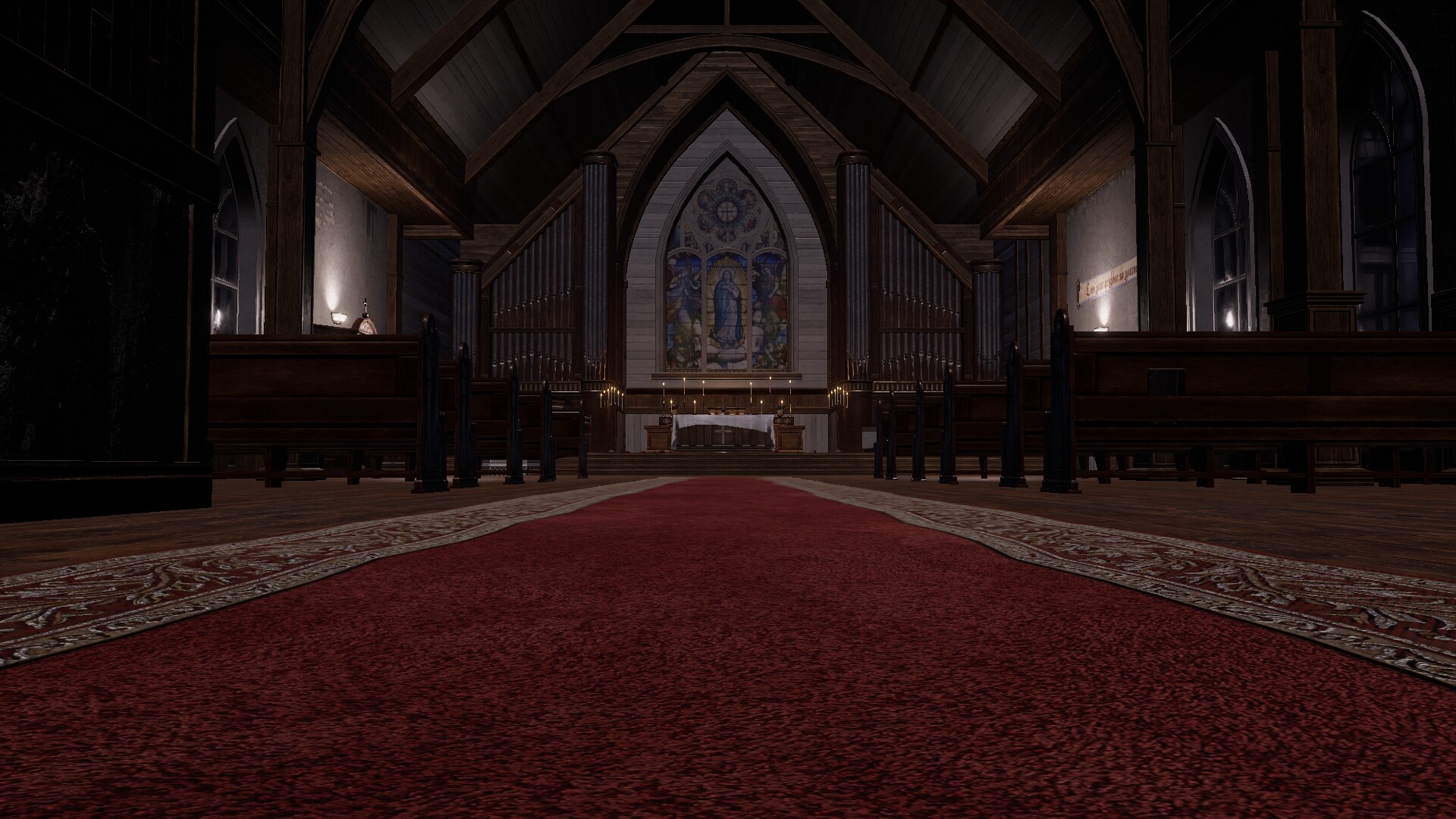
Why the theme matters: The game’s premise — a property “deliberately forgotten,” rooms left mid-routine, and identities erased — turns every found object into potential evidence. Rather than decorative props, possessions and documents push the narrative forward, turning puzzle solutions into historical proof for the player to interpret.
How players progress: According to the official description, Jin restores power to the estate and secured systems come back online; hidden compartments, safes and encrypted fragments appear as you advance. In other words, puzzle-solving is literal evidence-gathering: each solved lock or decoded document reveals new facts that reshape where you look next.
Quick facts
| Title | Trace of the Villa |
|---|---|
| Steam App ID | 3483660 |
| Release date | 28 May, 2026 |
| Developer / Publisher | Steadyturtle Co., Ltd. |
| Genres | Action, Adventure, Indie |
| Key categories | Single-player; Color Alternatives; Custom Volume Controls; Playable without Timed Input; Subtitle Options; Family Sharing |
| Official short pitch | Jin has spent years searching for his missing sister, pursuing leads that took him to a remote, decaying mansion where he recovered manifests and hints that indicate his sister may still be alive. |
How clue reading, object logic and story puzzles shape the experience
Trace of the Villa treats puzzles as pieces of a case file. The Steam description highlights manifests, suspicious transfer records, encrypted documents and locked safes — language you’d expect from an investigative report. That vocabulary matters because it sets player expectations: puzzles aren’t abstract challenges to be cleared for meter-filling; they are evidentiary milestones that change your understanding of the house and its occupants.
Object logic here means more than “use item A on B.” Because rooms are staged “as if occupants vanished mid-routine” and personal records have been scrubbed, everything you find becomes a hypothesis test. A recovered manifest may suggest a route or affiliation; a power switch can reanimate a security system that yields a key. The flow is forensic: search, hypothesize, test, and update the narrative map. That design rewards players who read clues in context and enjoy chaining small revelations into a larger theory.

Who should wishlist Trace of the Villa?
- Players who prefer investigation over action and enjoy piecing together narrative through found documents and environmental cues.
- Fans of slow-burn, atmospheric mansion mysteries that rely on inference and logic rather than timed reflexes — the Steam page lists “Playable without Timed Input.”
- Those who like their puzzles to serve the story: solutions reveal fragments of a concealed operation rather than simply gating the next room.
Player scenarios — pick this if…
You enjoy working an intellectual trail: If your enjoyment comes from assembling small details into a coherent timeline and adjusting your theory as new evidence appears, the game’s emphasis on manifests, encrypted documents and false identities will suit you.
You want ambient dread and methodical pacing: The mansion’s “erased” quality and the restored systems mechanic imply a steady build of tension rather than abrupt horror beats.
You prefer puzzle-driven storytelling to action spectacle: Trace of the Villa lists single-player and accessibility-friendly categories (subtitles, color alternatives) and is presented as a narrative investigation rather than an action setpiece.
How this compares to nearby puzzle-adventure titles
| Title | Puzzle focus | Atmosphere | Exploration style | Story tone / Pacing |
|---|---|---|---|---|
| Trace of the Villa | Clue-driven evidence gathering: manifests, encrypted fragments, safes and secured systems (official Steam copy). | Mansion mystery, slow-burn suspense, investigative dread. | Room-by-room forensic examination; restoring systems opens new leads (as described on Steam). | Methodical, narrative-led; puzzles reveal layers of a concealed operation. |
| The Room | Mechanical puzzle boxes and tactile locks; individual puzzles presented as curiosities. | Mysterious, intimate, tactile. | Focused puzzle chambers (single-room vignettes). | Compact, puzzle-first with a strong sense of wonder and unease. |
| The Room Two | Continued emphasis on mechanical, context-rich puzzle objects across varied locales. | Cryptic, eerie, larger scope than the first. | Progressive movement between distinct puzzle environments. | Escalates mystery across set pieces; still puzzle-centric. |
| Unpacking | Object placement and pattern recognition; domestic storytelling through possessions. | Calm, introspective, character-driven. | Scene-based with non-linear storytelling through spaces. | Zen, slice-of-life pacing focused on inference from objects rather than forensic evidence. |
Trailer & video discovery
If you want to watch trailers or gameplay, use this YouTube search URL to find relevant videos (this is a discovery path rather than a claim of an official upload): Search Trace of the Villa on YouTube.
Where to wishlist / buy
If the investigative, evidence-first approach appeals to you, the Steam store page is here: Trace of the Villa on Steam.
Note: referenced titles and trademarks belong to their respective owners. Comparisons are editorial discovery only.
Leave a Reply