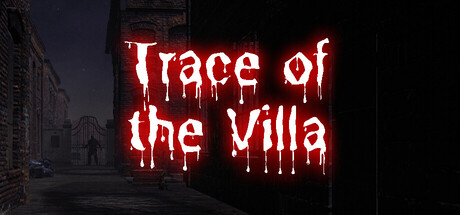
Trace of the Villa — puzzles as evidence and narrative logic
Jin’s long search for a missing sister brings him to a remote, decaying mansion where manifests, encrypted fragments and locked systems point to a larger, concealed operation — and to puzzles that act like evidence. Trace of the Villa treats each solved safe, restored circuit and uncovered document as a piece of a case file, asking players to read objects the way an investigator reads clues.

Who, what, when, where, why, how
Who it is for
Players who enjoy atmospheric mystery adventure on PC and Steam, slow-burn suspense, and puzzle design that privileges interpretation over twitch reflexes. If you like environmental storytelling where a room’s objects form the narrative evidence, this is aimed at you.
What the game is
Trace of the Villa is an action-adventure indie from Steadyturtle Co., Ltd. with a strong investigative focus. The official short description puts it plainly: “Jin has spent years searching for his missing sister, pursuing leads that took him to a remote, decaying mansion where he recovered manifests and hints that indicate his sister may still be alive, somewhere at the end of the trail he is about to follow.” The longer Steam description frames the mansion as a place where identities were “removed” and systems, safes and encrypted records reveal an orchestrated concealment.
When and where
Trace of the Villa released on Steam on 28 May, 2026. It’s presented on the Steam store as a PC release with Single-player modes and accessibility options such as subtitle options and color alternatives listed in the store categories.
Why the theme matters
The game treats puzzles as evidence: restoring power, unlocking safes and decrypting fragments aren’t just mechanical gates, they’re narrative acts that expose the operation behind the house. That framing makes every solved puzzle a piece of a timeline rather than an abstract exercise — the stakes are personal (Jin’s sister) and procedural (uncovering falsified identities and suspicious transfers).
How you progress — reading clues and object logic
The official description emphasizes restoring systems, hidden compartments and safes that yield “fragments of encrypted documents and suspicious transfer records.” That language signals puzzle design built around: reading manifests and documents, interpreting physical evidence, and using object relationships (what powers what, what opens where) to trace a thread through the estate. Expect exploration to be investigative: not just collecting keys but assembling a dossier from environmental fragments.
Visual snapshots


Compact facts
| Title | Trace of the Villa |
|---|---|
| Steam AppID | 3483660 |
| Release date | 28 May, 2026 |
| Developer | Steadyturtle Co., Ltd. |
| Publisher | Steadyturtle Co., Ltd. |
| Genres | Action, Adventure, Indie |
| Key categories | Single-player; Color Alternatives; Custom Volume Controls; Playable without Timed Input; Subtitle Options; Family Sharing |
| Short premise (official) | Jin uncovers manifests and hints in a decaying mansion that indicate his missing sister may still be alive. |
How Trace of the Villa compares — a practical table
Useful comparisons across lawful editorial criteria: puzzle focus, atmosphere, exploration/pacing, and the kind of player likely to prefer each title.
| Game | Puzzle focus | Atmosphere & story tone | Exploration / pacing | Player fit |
|---|---|---|---|---|
| Trace of the Villa | Document fragments, safes, hidden compartments, restored systems — puzzles as narrative evidence. | Remote, decaying mansion; slow-burn mystery with personal stakes (Jin’s missing sister). | Investigative, methodical; progress by assembling proof from objects and systems. | Players who want story-rich puzzle investigation and environmental storytelling. |
| The Room | Mechanical safe-and-box puzzles, tactile object logic. | Isolated, claustrophobic curiosity room; uncanny mechanical mystery. | Focused room-to-room puzzle progression with tight, deliberate pacing. | Fans of tactile puzzle boxes and mechanical riddles. |
| The Room Two | Similar mechanical puzzles across varied settings; escalating complexity. | Broader environments than The Room, still eerie and precise. | Puzzle-forward, chaptered progression. | Players who liked The Room and want more varied locales and puzzle scope. |
| Escape Simulator | Highly interactive escape-room puzzles; physical manipulation encouraged. | Playful, varied escape-room themes rather than a single narrative mystery. | Room-based sessions, often shorter or community-made; quicker loops. | Those who prefer interactive object play and shorter co-op or solo sessions. |
| Unpacking | Domestic, block-fitting puzzles that convey life-story through objects. | Calm, reflective, non-violent — story emerges from possessions rather than documents. | Zen, vignette-based pacing with low pressure. | Players who enjoy implied stories through everyday items and low-stress puzzles. |
| hack_me | Hacking simulation and command-line style puzzles (simulated hacking tasks). | Tech-focused, competitive/hacker tone. | Simulation-driven tasks rather than environmental exploration. | Players who like simulation and command-oriented puzzle challenges. |
Player scenarios — who should wishlist this
- Investigative slow-burn player: You enjoy deciphering documents, reconnecting power and reading rooms logically to build a timeline.
- Atmosphere-first explorer: You choose games for mood and the sense of place; a decaying mansion and erased identities appeal to you.
- Story-puzzle hybrid fan: You prefer puzzles that push the narrative forward rather than existing as isolated challenges.
- Less interested: If you want fast action loops, arena combat, or immediate multiplayer co-op, Trace of the Villa’s investigative pacing may feel deliberate.
YouTube discovery
If you want quick video references (trailers or gameplay footage) use YouTube search as a discovery path: search Trace of the Villa trailers and gameplay on You
Leave a Reply