
Trace of the Villa — a patient, clue-driven mansion mystery on Steam
Trace of the Villa is an atmospheric mystery adventure that asks players to read a house like a ledger: restore systems, open safes, and follow hints toward a missing person. Released on 28 May, 2026 by Steadyturtle Co., Ltd., it pitches a slow-burn, story-rich adventure built around environmental storytelling and narrative puzzle design.

Quick facts
| Title | Trace of the Villa |
|---|---|
| Steam App ID | 3483660 |
| Release date | 28 May, 2026 |
| Developer / Publisher | Steadyturtle Co., Ltd. |
| Genres | Action, Adventure, Indie |
| Categories (Steam) | Single-player, Color Alternatives, Custom Volume Controls, Playable without Timed Input, Subtitle Options, Family Sharing |
| Premise (official) | Jin searches a remote, decaying mansion for clues to his missing sister; restoring power and solving puzzles reveals encrypted documents, hidden compartments, and a larger operation. |
| Store link | View Trace of the Villa on Steam |
Who is this for?
This is for patient clue readers who prefer slow-burn suspense over constant combat or jump scares. If you favor atmospheric mystery adventure and environmental storytelling—where the setting itself is the main narrator—Trace of the Villa aims to reward careful observation, methodical note-taking, and puzzle-oriented investigation rather than twitch reflexes.
What the game is
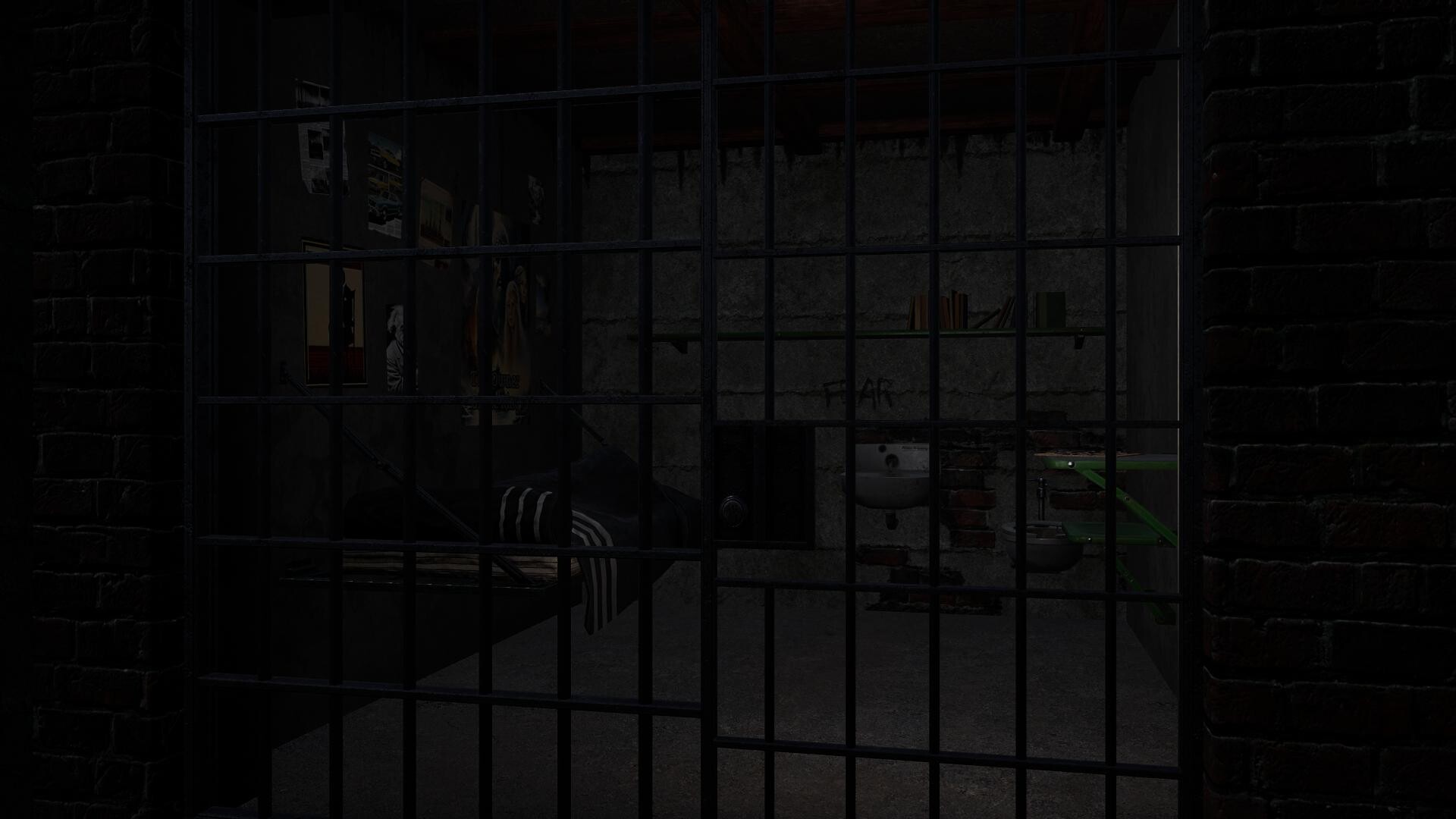
Officially described by the developer: Jin has spent years searching for his missing sister, and a lead points him to a deliberately forgotten mansion. Inside, rooms feel “erased” rather than simply abandoned. When Jin restores power, secured systems come back online, hidden compartments unlock, and safes yield fragments of encrypted documents and suspicious transfer records. The game frames a psychological investigation inside a mansion mystery, using clue-driven exploration and narrative puzzle design to reveal a larger, concealed operation.
When and where
Trace of the Villa launched on Steam on 28 May, 2026. The Steam store page lists the developer and publisher as Steadyturtle Co., Ltd., and the title appears under Action / Adventure / Indie. The Steam categories indicate accessible options such as subtitle support, color alternatives, and the ability to play without timed input—details useful to players prioritizing accessibility and a measured pace.
Why the theme matters
The mansion mystery framing—arrivals without records, departures without witnesses, and falsified identities per the official description—creates a sustained sense of unease suited to players who want psychological investigation more than horror spectacle. Because the core revelations come from documents, systems, and locked spaces, the tone leans toward detective puzzle work: patience and careful deduction are the primary tools.
How you progress — reading clues and solving puzzles
Progression is clue-driven and investigative. The official text highlights mechanics that are less about combat and more about systems and artifacts: restoring power, reactivating secured systems, opening hidden compartments, and decrypting fragments. Expect to combine environmental evidence, fragmented documents, and unlocked systems to reconstruct timelines and motivations. The Steam categories also note “Playable without Timed Input,” underscoring a pace that favors thought over speed.

Player scenarios — who should wishlist it
- Scenario: You enjoy investigating a location top to bottom, documenting clues, and returning later when new systems unlock. This fits the patient clue reader who values a slow-burn narrative.
- Scenario: You want a story-rich adventure where atmosphere and documents provide exposition rather than explicit cutscenes—Trace of the Villa’s environmental storytelling should appeal.
- Scenario: You prefer avoidant or minimal-action pacing. The Steam category “Playable without Timed Input” and the investigative premise make this a better fit than action-heavy mystery titles.
- Scenario: You care about accessibility and customization (subtitles and color alternatives are listed), and want to play a mystery at your own tempo.
How it compares — editorial discovery table
| Title | Core genre / perspective | Atmosphere & story tone | Puzzle focus / exploration style | Pacing / player fit |
|---|---|---|---|---|
| Trace of the Villa | Action / Adventure / Indie — mansion mystery (third-person investigative focus implied) | Slow-burn, atmospheric, psychological investigation centered on erased identities and institutional secrecy | Clue-driven: restoring systems, unlocking compartments, decrypting documents; environmental storytelling | Measured pace; designed for patient clue readers; playable without timed input |
| Rusty Lake Hotel | Adventure / Indie — point-and-click style | Dark, eerie, surreal puzzle tone | Short, self-contained puzzles in a point-and-click format with a focus on puzzle sequences and atmosphere | Compact sessions; suited to players who enjoy discrete puzzles and episodic, uncanny mysteries |
| The Medium | Adventure — third-person psychological horror | Psychological, melancholic, dual-reality exploration | Narrative puzzles tied into real-world vs spirit-realm exploration; story-driven investigation | Moderate pacing with cinematic presentation; fits players who expect guided narrative beats |
| Layers of Fear | Adventure — first-person psychological horror | Surreal, artistic, tense exploration of madness | Chapter-based exploration with environmental puzzles and psychological reveals | Variable pacing; suited to players seeking intense, atmospheric revelations and a focus on mood |
Discovery and trailer
If you want to see footage or trailers, search YouTube for Trace of the Villa trailer or gameplay — for convenience, use this discovery path: Trace of the Villa trailers and gameplay on YouTube. This link is a search discovery path; it is not an assertion that any single video is the official trailer.
Steam link:
Leave a Reply