
Trace of the Villa — a slow-burn mansion mystery built around missing-person stakes
Jin has spent years searching for his missing sister; a lead brings him to a remote, decaying mansion where manifests and fragments suggest she may still be alive at the end of the trail. Trace of the Villa (Steadyturtle Co., Ltd.) positions claustrophobic environmental storytelling and clue-driven exploration against slow-unspooling personal stakes.

Quick facts
| Title | Trace of the Villa |
|---|---|
| Developer / Publisher | Steadyturtle Co., Ltd. |
| Release date | 28 May, 2026 |
| Genres | Action, Adventure, Indie |
| Steam categories | Single-player; Color Alternatives; Custom Volume Controls; Playable without Timed Input; Subtitle Options; Family Sharing |
| Premise | Jin searches a remote, deliberately forgotten mansion for signs that his missing sister might still be alive. |
Who this is for
If you favor story-rich indie adventures that put character motivation and missing-person stakes front and center, Trace of the Villa is aimed at that playstyle. It’s suited to players who prefer investigative pacing over spectacle: those who enjoy unpacking forged documents, encrypted fragments, and environmental traces that reconstruct a vanished life. Players who like a personal, human motive—rather than a purely cosmic or abstract mystery—will find the protagonist’s search for his sister a clear emotional throughline.
What the game is
According to the Steam page, Trace of the Villa drops you into a remote, decaying mansion where signs of past occupancy feel “less abandoned than erased.” Restoring power and accessing secured systems reveals hidden compartments, safes, encrypted documents, suspicious transfer records, and falsified identities. The official description frames the experience as a psychological investigation and an evidence-driven unraveling of a larger, carefully concealed operation—arrivals without records and departures without witnesses.

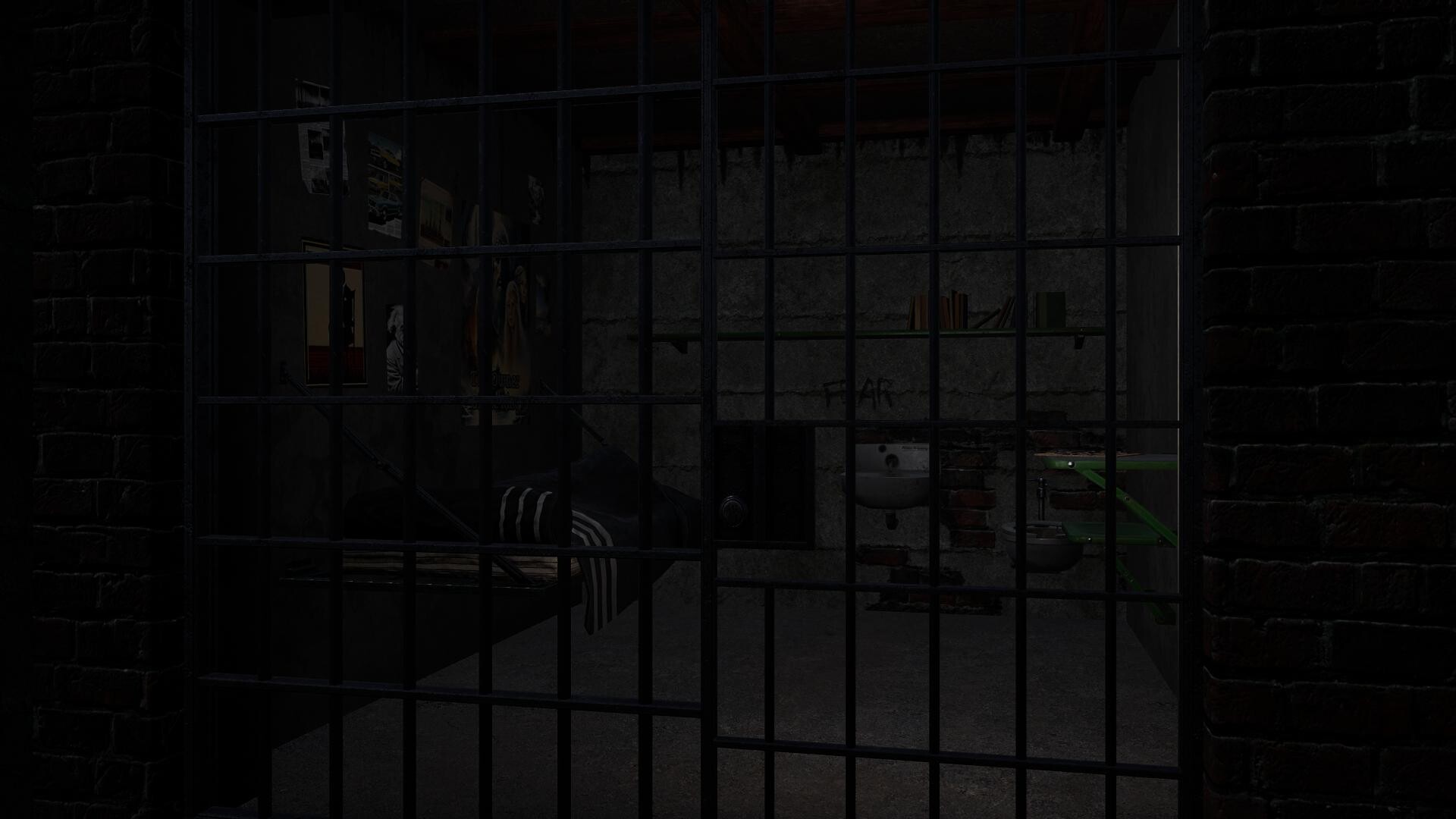
When and where to find it
Trace of the Villa released on Steam on 28 May, 2026. The game is presented on Steam with PC-focused categories and accessibility options such as subtitle support and “playable without timed input.”
Why the theme matters: missing-person stakes and character motive
What separates investigative adventures is why you look. Here, the central motive—Jin’s search for his sister—turns otherwise anonymous clues into a personal ledger. That alters how players read environments: a ledger entry, a falsified identity, or a locked safe doesn’t just advance plot mechanics, it reframes a relationship. If you value narrative empathy and want the mystery to remain tethered to a human cost, Trace of the Villa’s premise promises that orientation.
How you progress: reading the house
The Steam description outlines a progression loop built on restoration and discovery. Restoring power reanimates secured systems; hidden compartments unlock; safes yield fragments and encrypted documents; financial and transfer records map a purpose-built operation rather than a simple household. Expect progression tied to exploration, solving environmental puzzles, and piecing together a timeline from fragments—an evidence-first approach where context emerges as you assemble documents and manifests.
Player scenarios — who will enjoy it, and who might not
- Ideal: Players who like atmospheric mystery adventure with a personal motive and slow-burn reveals. Those who enjoy methodical clue-gathering and atmospheric exploration over twitch reflex or fast action.
- Also fits: Fans of narrative puzzle design and environmental storytelling who appreciate accessibility options like subtitles and no-timed-input play.
- Less ideal: Players looking for fast-paced combat or high-action spectacle may find Trace of the Villa’s investigative pacing too restrained, even though the genre tag includes “Action.”
How it compares — quick editorial table
| Title | Mood / Atmosphere | Narrative focus | Puzzle / Exploration | Pacing / Player fit |
|---|---|---|---|---|
| Trace of the Villa | Claustrophobic mansion, erased identities | Personal missing-person stakes (Jin searching for his sister) | Clue-driven: restoring systems, safes, encrypted documents | Slow-burn investigation; for players who read environments |
| Inscryption | Dark, surreal, card-game horror | Meta narrative with escalating revelations | Puzzle and deckbuilding; escape-room style mechanics | Layered, sometimes aggressive surprises; for players who like genre-bending |
| Outer Wilds | Open, curious, cosmic mystery | Exploration-led timeline mystery with a personal/planetary payoff | Open-world exploration, physics and environmental puzzles | Leisurely but expansive; for players who enjoy large-scale discovery |
| The Forgotten City | Ancient, moralistic, puzzle-driven | Time-loop moral mystery with rule-based solutions | Dialogue and investigative puzzles, with systemic consequences | Deliberate, rules-focused; for players who like choice-driven puzzle outcomes |
| The Medium | Psychological, dual-reality horror | Trauma and investigation across two realms | Puzzle and narrative interplay between worlds | Atmospheric and tense; for players who like psychological tone |
Comparison notes: categories here reflect editorial discovery by genre, tone, and exploration style rather than claims of superiority.
Where to look for trailers and gameplay
For trailers and indie coverage, use YouTube search terms rather than assuming a single verified video: Search Trace of the Villa trailer / gameplay on YouTube. This search link is provided as a discovery path and not as confirmation of an official channel or trailer.
Decide whether to wishlist
Wishlist Trace of the Villa if you want a PC mystery game that centers person-to-person stakes, slow environmental reveals, and a puzzle loop tied to restoring systems and reading documents. If you prefer wide-open exploration or action-first pacing, this title’s emphasis on preserved rooms, erased identities, and encrypted fragments may resonate less.
Leave a Reply