
Trace of the Villa — a locked-mansion mystery built around power, access, and evidence
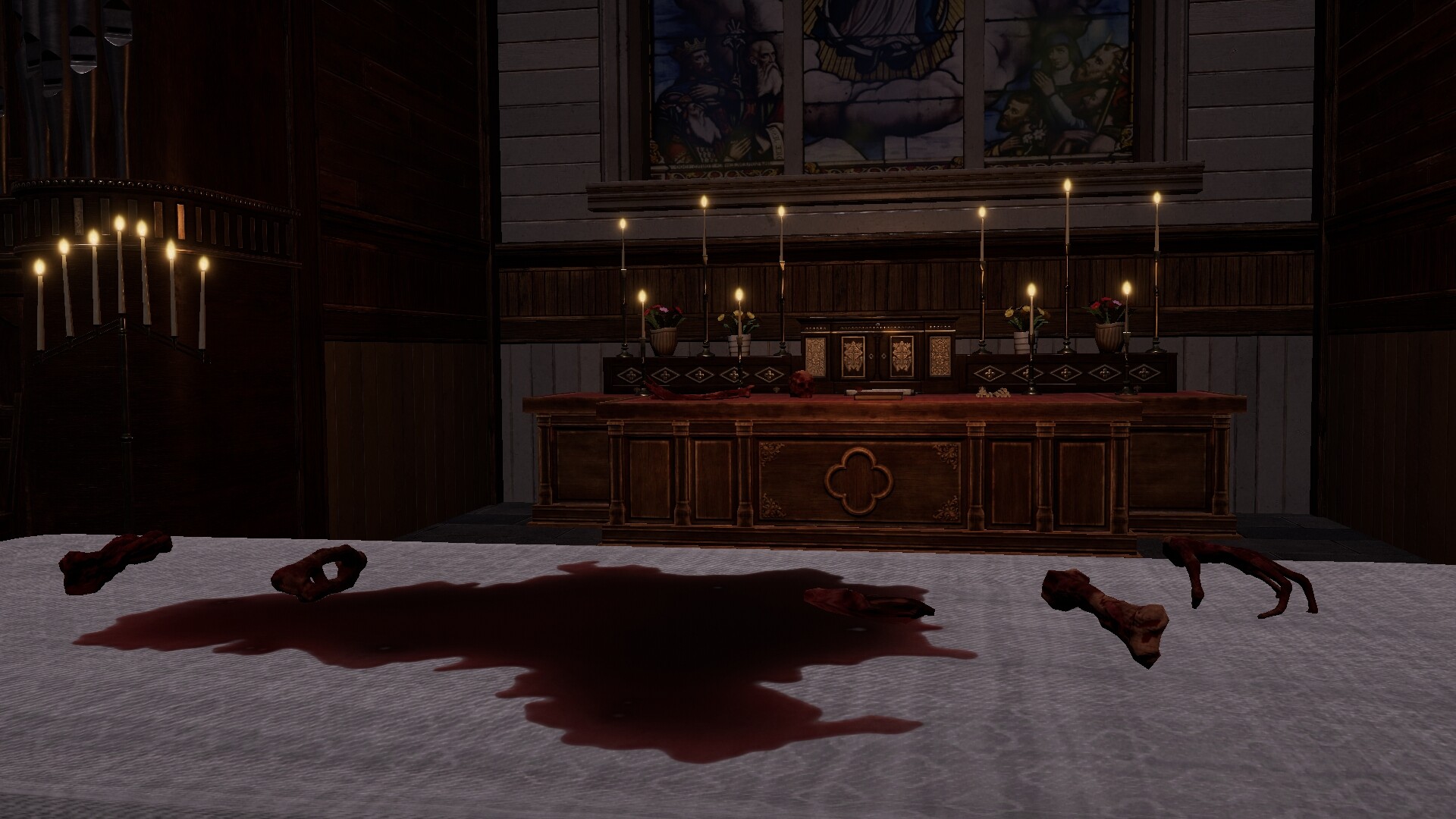
Trace of the Villa frames its mystery as a practical investigation: Jin arrives at a derelict mansion and gradually brings systems back online so the house can tell its story. Released on 28 May, 2026 by Steadyturtle Co., Ltd., the game threads environmental reading, chained clues, and a restoration-first gameplay loop into a slow-burn mansion mystery for single‑player PC audiences.

Who, what, when, where, why, and how
Who is this for?
Players who prefer story-rich adventure and environmental storytelling over twitch reflexes: those who enjoy methodical clue-chaining, reading set-dressing for narrative detail, and puzzles that open doors to more information. The game’s Steam categories include Single-player, Color Alternatives, Custom Volume Controls, Playable without Timed Input, Subtitle Options, and Family Sharing — signalling an accessibility-minded, solitary experience.
What is the game?
Trace of the Villa is an action/adventure indie built around a personal investigation: Jin has spent years searching for his missing sister and follows a lead to a remote, decaying mansion where manifests and hints suggest she may still be alive. Inside, rooms feel “erased” rather than abandoned, and restoring power causes secured systems to come back online, hidden compartments to unlock, and safes to yield fragments of encrypted documents and suspicious transfer records.
When and where is it available?
Trace of the Villa launched on Steam on 28 May, 2026. The Steam store page is the canonical source for the game’s store assets and system options.
Why does the theme matter?
Thematic focus matters because the core loop ties narrative discovery to practical restoration. The moment-to-moment reward is not just a solved puzzle but new context: powering circuits reveals access, access reveals documents, documents reshape the timeline. That design aligns the player’s mechanical progression with the protagonist’s emotional objective — finding a missing sister — which gives each unlocked space narrative weight.
How you read clues and progress
Progression in Trace of the Villa uses a cascade model: restore power to bring sections of the estate back to life; as devices and locks activate, they yield physical or digital traces (manifests, transfer records, encrypted fragments) that must be interpreted in sequence. That creates chain puzzles where one solution supplies a key piece of evidence needed to approach the next puzzle or to justify re-examining a previously locked room. In practice that means alternating between environmental inspection, inventory or evidence reconstruction, and using newly restored systems to unlock further spaces.
Core visuals

Quick facts
| Title | Trace of the Villa |
|---|---|
| Developer | Steadyturtle Co., Ltd. |
| Publisher | Steadyturtle Co., Ltd. |
| Release date | 28 May, 2026 |
| Steam AppID / Store | 3483660 — Store page |
| Genres | Action, Adventure, Indie |
| Key categories | Single-player; Color Alternatives; Custom Volume Controls; Playable without Timed Input; Subtitle Options; Family Sharing |
| Premise | Jin searches for his missing sister at a decaying mansion; restoring power reveals encrypted documents, hidden compartments, and a controlled pattern of arrivals/departures. |
How it compares — editorial snapshot
For readers who know escape-room-ish puzzle games, here’s a short, practical comparison so you can judge fit by core puzzle model and pacing rather than hype.
| Title | Release | Core puzzle model | Atmosphere & story tone | Exploration & pacing | Player fit |
|---|---|---|---|---|---|
| Trace of the Villa | 28 May, 2026 | Restoration → access → evidence reconstruction; chained clue sequences | Mansion mystery, slow-burn, investigative | Exploratory, investigation-led; progress unlocks new systems and rooms | Players who like environmental storytelling and narrative puzzle chains |
| The Room | 28 Jul, 2014 | Tactile mechanical puzzles and safes focused on single-object solutions | Arcane, intimate, puzzle-focused curiosity | Contained-room puzzles, tightly directed sessions | Players who enjoy handcrafted, object-oriented puzzle boxes |
| Escape Simulator | 19 Oct, 2021 | Highly interactive escape-room simulations with lots of object interaction | Varied tone depending on room; playful to tense | Room-by-room, physics and inventory-heavy, supports solo or co-op | Players who want interactivity, physics puzzles, and community-made rooms |
Player scenarios — who should wishlist this
Scenario A: You want an investigation that feels procedural
If you enjoy unlocking infrastructure to gather evidence — flipping breakers, restarting terminals, then using documents and manifests to reconstruct timelines — Trace of the Villa’s loop ties those moments together. The payoff is narrative context as much as puzzle resolution.
Scenario B: You favour atmospheric, slow-burn detective work
Players who prefer to read rooms, collect fragments, and slowly build an explanatory chain will appreciate that the mansion actively gates narrative beats behind restored systems. The design rewards revisits and re-evaluations as new information reframes prior observations.
Scenario C: You want accessibility and a single-player focus
The Steam categories list options like Color Alternatives, Custom Volume Controls, Playable without Timed Input, and Subtitle Options — signals that the release considers a range of player needs and that the experience is focused on solo play rather than co-op or competitive modes.
YouTube discovery
Looking for trailers or gameplay clips? Use this YouTube search path (search results may include user uploads and trailers): Trace of the Villa trailer & gameplay on YouTube.
Leave a Reply