
Trace of the Villa — a premise-first guide for players who want story context without spoilers
Jin has spent years searching for his missing sister, and a lead points him to a remote, decaying mansion where recovered manifests suggest she may still be alive. Trace of the Villa (Steadyturtle Co., Ltd., releasing 28 May, 2026) positions players in a slow-burn, clue-driven investigation that unfolds through environmental storytelling and locked-away records rather than blunt exposition.

Quick facts
| Title | Trace of the Villa |
|---|---|
| Developer / Publisher | Steadyturtle Co., Ltd. |
| Release date | 28 May, 2026 |
| Steam AppID | 3483660 |
| Genres | Action, Adventure, Indie |
| Categories / Accessibility | Single-player; Color Alternatives; Custom Volume Controls; Playable without Timed Input; Subtitle Options; Family Sharing |
Who this is for
If you follow story-rich indie games for atmosphere and layered mysteries more than combat spectacle, Trace of the Villa is aimed at you. Players who prefer investigations that reward careful observation — people who enjoy environmental storytelling, puzzle-led progression, and a gradual peeling-back of intent — will likely feel at home here. It’s pitched toward PC players who want a narrative weight behind exploration: those who don’t need every plot point spelled out and will take time to read manifests, restore systems, and assemble a timeline.
What the game is — premise without spoilers
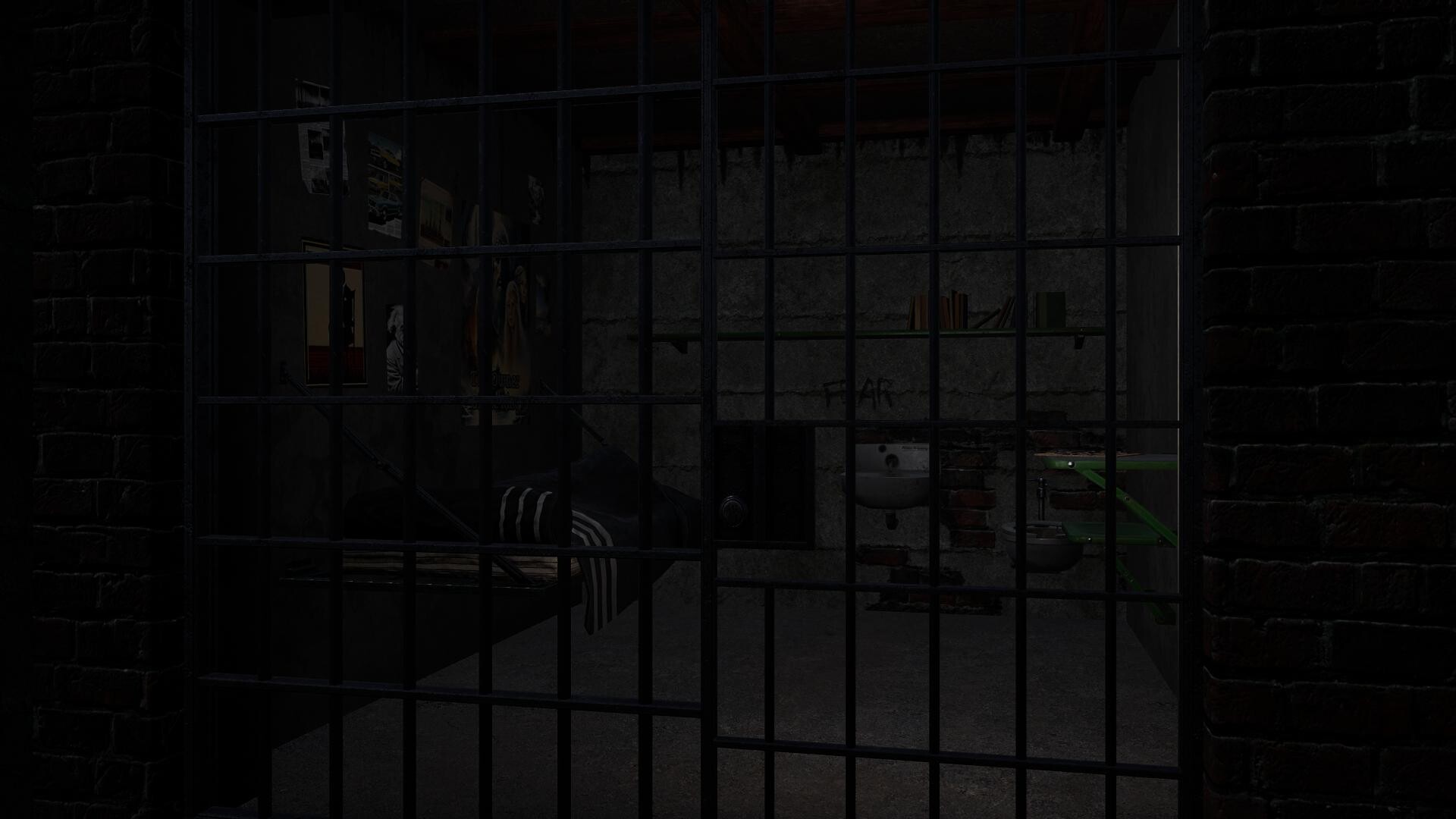
Officially, the game casts you as Jin, who arrives at an off-grid mansion after years of searching for his missing sister. The estate feels “less abandoned than erased”: rooms staged as if occupants vanished mid-routine, locked doors, and personal effects with missing names or photos. When Jin restores power, secured systems and hidden compartments begin to reveal fragments — encrypted documents, suspicious transfers, and falsified identities — suggesting the mansion was a node in a larger, deliberately obscured operation. That premise sets expectations for investigative mechanics and a narrative that unfolds through documents, environmental clues, and the restoration of systems rather than through constant cutscenes.
When and where to play
Trace of the Villa is available on Steam; the release date is 28 May, 2026. The game lists the usual single-player Steam conveniences such as subtitle options, color alternatives, and the ability to play without timed input — all useful for players who prioritize accessibility while reading long-form in-game documents and inspecting scenes.
Why the mansion premise matters
Mansion mysteries are a durable framework because they concentrate history, motive, and secrecy into a confined space. In Trace of the Villa that confinement is literal — a property deliberately cut off and “forgotten” — which amplifies tactile curiosity: the need to open a locked drawer, restore power, or decrypt a fragment to learn who passed through the estate and why. The game’s premise suggests an investigative arc that ties personal stakes (Jin’s sister) to institutional concealment (falsified identities, financial trails), which appeals to players who like a personal motive grounding a larger conspiracy.
How you progress: reading clues and restoring context
The official description emphasizes restoring systems and unlocking secured compartments as primary beats. Expect a progression loop where environmental observation and puzzle-solving unlock new narrative fragments. Restoring power is explicitly named as a turning point that makes the house begin to reveal itself, so mechanical milestones are closely tied to narrative reveals: solve a power/puzzle problem, gain access, read a manifest or transfer record, update your mental timeline. That design favors methodical players who collect fragments and infer connections rather than those seeking fast-paced, combat-first experiences.

Player scenarios — who should wishlist it (and who should wait)
- Wishlist if: You enjoy slow-burn suspense, environmental storytelling, reading recovered documents, and piecing together a timeline from fragments. You prefer investigative pacing and the satisfaction of connecting small reveals into a broader pattern.
- Consider waiting if: You want fast-paced action, multiplayer, or a narrative that resolves quickly through large cutscenes. The game’s focus on locked systems, manifests, and staged rooms suggests a steadier, more contemplative tempo.
- Accessibility-minded players: The Steam page lists subtitle options, color alternatives, and the ability to play without timed input — useful if you plan to spend time reading and examining details.
How it compares — short reference table
| Title | Tone | Primary focus | Pacing / Exploration | Player fit |
|---|---|---|---|---|
| Trace of the Villa | Private, investigative, slow-burn mansion mystery | Clue-driven exploration; restoring systems; document fragments | Methodical, puzzle-linked progression | Players who prefer environmental storytelling and piecing together conspiracies |
| Inscryption | Inky, meta-horror | Card-based puzzles blended with escape-room mechanics | Variable—card runs and room puzzles create tension spikes | Players who like psychological twists and genre-bending systems |
| Outer Wilds | Curious, cosmic mystery | Exploration-driven discovery across a solar system | Open-ended, player-led pacing | Players who enjoy non-linear exploration and emergent narrative |
| Journey | Quiet, evocative, contemplative | Emotive traversal and visual storytelling | Flowing, meditative | Players seeking visual and emotional resonance over explicit plot |
| The Forgotten City | Philosophical, puzzle-driven mystery | Dialogue and time-loop mechanics to solve a central mystery | Deliberate, puzzle-and-dialogue focused | Players who like moral puzzles and narrative-driven problem solving |
| The Medium | Psychological, dual-realm horror | Exploration across real and spirit realms with dark secrets | Steady, atmospheric | Players who want psychological horror plus investigative beats |
Practical reading tips for minimal-spoiler play
- Treat manifests and encrypted fragments as incremental evidence: scan each for dates, names, and transfers before assuming motive.
- Follow mechanical milestones (power restoration, unlocked compartments) as signposts — new systems coming online will typically open narrative threads.
- Keep a mental or physical timeline. The mansion’s staged scenes are likely to be chronological anchors for who was where and when.
YouTube discovery
If you want to watch trailers or gameplay clips before deciding, use this YouTube search as a discovery path (search results may include fan videos and publisher trailers): Trace of the Villa trailer & gameplay search.
View Trace of the Villa on Steam
Disclaimer: referenced titles and trademarks belong to their respective owners. Comparisons above are editorial discovery only, focused on genre, atmosphere, puzzle style, exploration, pacing, and player fit.
Leave a Reply