Trace of the Villa — how puzzles show the story without spoiling it
A slow-burn, clue-driven investigation set in a remote, decaying mansion, Trace of the Villa asks you to read objects and manifests as evidence instead of handing you an explanation. Its puzzle systems — from restoring estate power to unlocking hidden compartments and safes — are designed to surface story fragments that let you assemble what happened, piece by piece.

Who it’s for
Players who prefer atmospheric mystery adventure and narrative puzzle design over twitchy action. If you like methodical object logic — reading manifests, examining transfer records and encrypted fragments — and enjoy unlocking meaning through environmental storytelling, Trace of the Villa is aimed at you. The game is single-player and includes accessibility-friendly categories such as Color Alternatives, Subtitle Options, Custom Volume Controls, and Playable without Timed Input.
What the game is
Trace of the Villa casts you as Jin, a protagonist who has spent years searching for his missing sister. A lead takes him to a deliberately forgotten mansion where he recovers manifests and hints that indicate his sister may still be alive, somewhere at the end of the trail he is about to follow. Inside, rooms appear frozen mid-routine; secured systems, once restored, reveal encrypted documents, suspicious transfer records, and evidence of falsified identities. The game combines Action, Adventure and Indie genres and focuses on investigative puzzles that expose a carefully concealed operation rather than laying out a linear explanation.
When and where
Trace of the Villa released on 28 May, 2026 and is available on Steam for PC. It is developed and published by Steadyturtle Co., Ltd. For a direct Steam listing, see the store page linked at the end of this article.
How its puzzle mechanics reveal evidence without spoiling the plot
Design matters when the goal is evidence over exposition. Trace of the Villa uses systems-level reveals — for example, restoring power to the estate turns secured systems back on; hidden compartments and safes then yield fragments of encrypted documents, manifests and suspicious transfer records. Those fragments function like clue nodes: they establish factual breadcrumbs (dates, transfers, falsified paperwork) rather than summarizing motives or outcomes. That lets players infer patterns — arrivals without records, departures without witnesses, movements masked behind false identities — while keeping future revelations intact.
Mechanically, this approach relies on three interlocking puzzle types:
- Clue reading: small, concrete artifacts (manifests, transfer sheets) that add factual weight to a timeline.
- Object logic: interactive devices and secured containers that require observation and deduction to access.
- Story puzzles: sequences where unlocking one system enables another — e.g., power restoration → system boot → new compartments become interactable.

Why the theme matters: identity, erasure and forensic reading
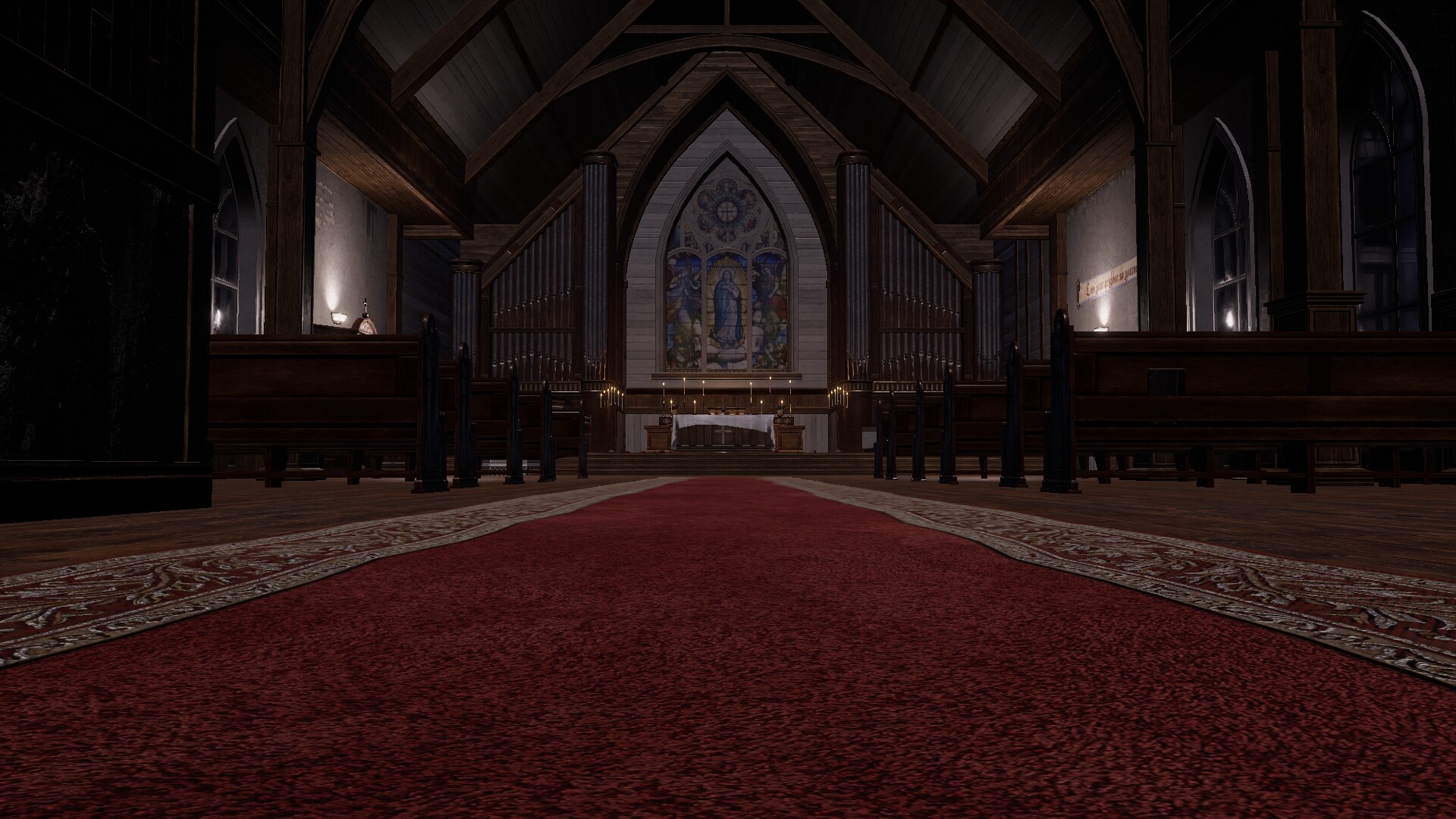
The official description stresses that the mansion feels “less abandoned than erased”: personal belongings remain, but names and photographs are missing. That absence is the game’s narrative engine. Instead of telling you who people were, the puzzles return factual residues — records and fragments — that allow you to reconstruct identity through evidence. It’s a psychological investigation framed as spatial exploration, where the act of piecing together documents is also the act of reading the place.
Compact facts: Trace of the Villa
| Title | Trace of the Villa |
|---|---|
| Steam AppID | 3483660 |
| Release date | 28 May, 2026 |
| Developer | Steadyturtle Co., Ltd. |
| Publisher | Steadyturtle Co., Ltd. |
| Genres | Action, Adventure, Indie |
| Categories / Features | Single-player; Color Alternatives; Custom Volume Controls; Playable without Timed Input; Subtitle Options; Family Sharing |
| Short premise | Jin finds manifests and hints in a decaying mansion that suggest his missing sister may still be alive. |
Comparison: how it stacks up to nearby puzzle-adventure styles
Below is an editorial comparison focused on genre, atmosphere, puzzle focus and player fit — not a scorecard. Comparisons rely on published descriptions and categories.
| Title | Genre / Focus | Puzzle style | Atmosphere / Exploration | Player fit |
|---|---|---|---|---|
| Trace of the Villa | Action / Adventure / Indie | Clue reading, object logic, story-linked system reveals (power, safes, encrypted fragments) | Decaying mansion, erased identities, forensic reading of rooms | Players who want methodical evidence-gathering and slow-burn narrative puzzle design |
| The Room | Adventure / Indie | Mechanical puzzle boxes and tactile object puzzles | Isolated, mysterious rooms focused on a single central device | Players who enjoy tactile, self-contained puzzle devices and tactile interaction |
| Unpacking | Casual / Indie / Simulation | Spatial, block-fitting and contextual storytelling through items | Domestic, calm, life-story revealed through possessions | Players who prefer quiet, character-driven environmental storytelling without traditional puzzles |
| Escape Simulator | Adventure / Simulation / Indie | Highly interactive escape-room puzzles, physics-driven interaction | Set-piece rooms designed around interactivity and emergent problem solving | Players who want hands-on object interaction and cooperative puzzle solving |
Player scenarios — who should wishlist it
- The evidence-first detective: You want puzzle work to supply facts that let you draw your own conclusion. The manifests, transfer records and encrypted fragments will reward careful note-taking and cross-referencing.
- The atmospheric explorer: You enjoy slow, tension-filled spaces and environmental storytelling; furnished rooms that imply life leave you to assemble motive and timeline from objects and omissions.
- The accessibility-minded player: You prefer puzzles without timing pressure and appreciate subtitle options, custom volume controls and color alternatives; the Steam categories list these accessibility features explicitly.
YouTube discovery
If you want to see trailers or gameplay footage, search for Trace of the Villa on YouTube: search Trace of the Villa trailers and gameplay on YouTube. This link is provided as a discovery
Leave a Reply