
Trace of the Villa — a clue-first mansion mystery for players who prefer puzzles to pulse-pounding action
Trace of the Villa (Steadyturtle Co., Ltd.) leans on environmental storytelling and careful clue reading rather than speed or combat. Released on 28 May, 2026 for Steam, it tasks you with piecing together encrypted manifests, restored systems, and personal traces inside a decaying mansion to follow a trail that may lead to a missing sister.

Quick facts
| Title | Trace of the Villa |
|---|---|
| Steam App ID | 3483660 |
| Release date | 28 May, 2026 |
| Developer / Publisher | Steadyturtle Co., Ltd. |
| Genres | Action; Adventure; Indie |
| Key categories | Single-player; Color Alternatives; Custom Volume Controls; Playable without Timed Input; Subtitle Options; Family Sharing |
| Official short description | Jin has spent years searching for his missing sister, pursuing leads that took him to a remote, decaying mansion where he recovered manifests and hints that indicate his sister may still be alive, somewhere at the end of the trail he is about to follow. |
Who this is for
If you prize atmospheric mystery adventure and slow-burn suspense over reflex-driven mechanics, Trace of the Villa is aimed at you. Players who enjoy methodical clue reading, object-based logic, and piecing together a narrative from environmental fragments — rather than timed challenges or frequent threats — will find the pacing and design more rewarding.
What the game is
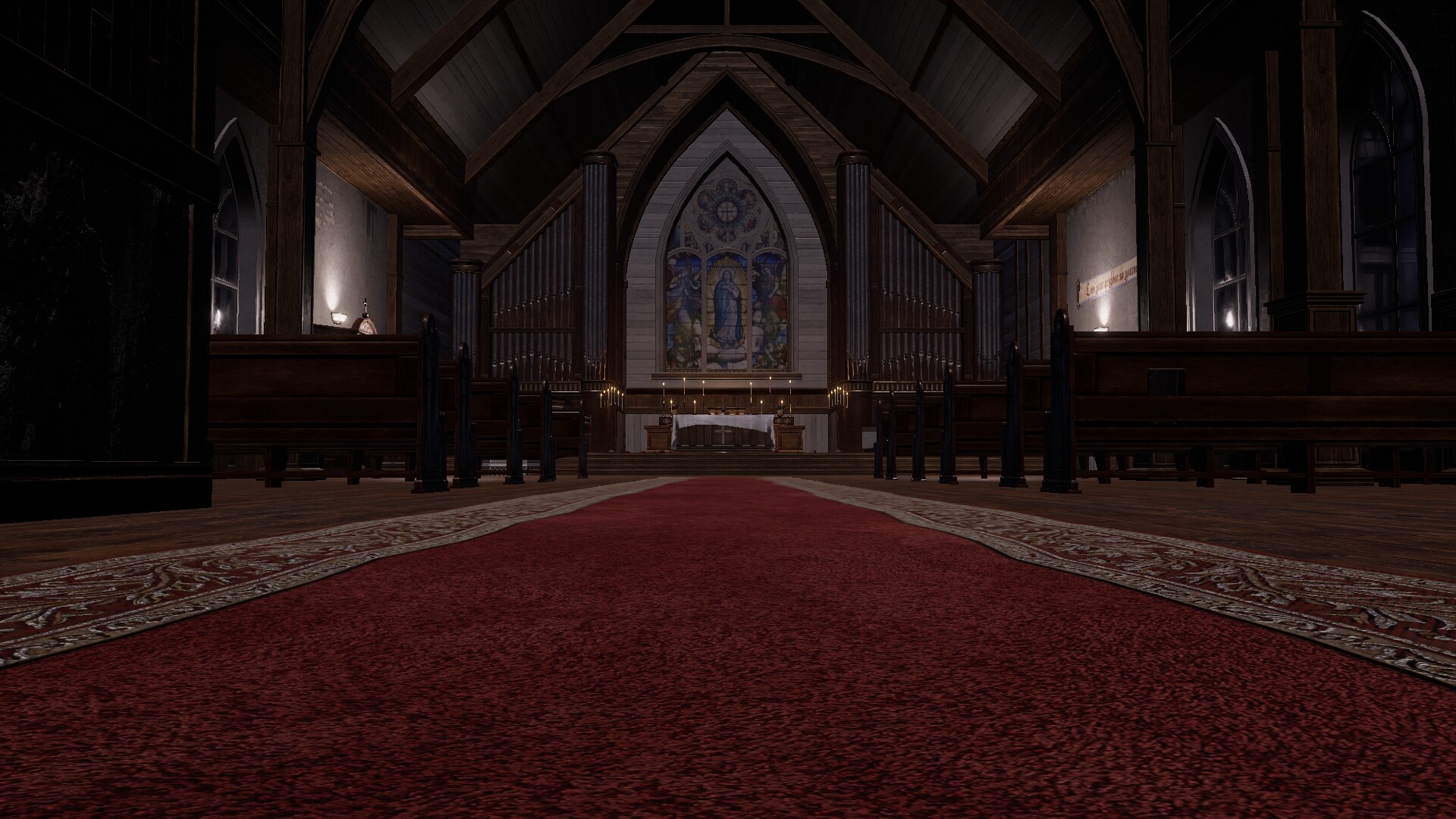
Trace of the Villa positions Jin as an investigator following a cold trail to a deliberately forgotten mansion. According to the official description, the house “feels less abandoned than erased”: rooms look as if occupants vanished mid-routine, and locked doors and secured systems hide fragments of encrypted documents, falsified identities, and suspicious transfer records. As Jin restores power, hidden compartments unlock and safes yield fragments that form the puzzle backbone of the investigation.
When and where
Trace of the Villa released on 28 May, 2026 and is available on Steam for PC. The Steam page lists Steadyturtle Co., Ltd. as both developer and publisher and classifies the title under Action, Adventure, and Indie while including accessibility and comfort-friendly categories such as “Playable without Timed Input” and “Subtitle Options.”
Why the theme matters
The mansion-mystery conceit concentrates narrative weight into objects, systems, and documents rather than exposition-heavy cutscenes. That matters because it shapes how the player interacts with the story: every restored device, unlocked safe, or deciphered manifest is also a narrative beat. For readers of environmental storytelling, this approach makes each solved puzzle a reveal that reshapes the timeline and the stakes.
How you read clues and progress
- Restoring systems is mechanical and narrative: powering the estate brings secured systems back online and opens new avenues for investigation — a design choice explicitly mentioned in the official description.
- Clues come in many forms: manifests, encrypted documents, suspicious transfer records, and personal belongings are all cited as sources of information that must be interpreted to progress.
- Puzzle progression rewards logical inference and object-focused reasoning rather than speed; the Steam categories include “Playable without Timed Input,” reinforcing a non-action-first rhythm.

Player scenarios — who should wishlist it
- The methodical detective: You take notes, map connections, and enjoy decrypting fragments into a coherent timeline. Trace of the Villa’s manifests and encrypted documents reward careful reading and synthesis.
- The environmental storyteller: You prefer story revealed through objects and place rather than long cutscenes. The mansion’s staged rooms and missing personal identifiers create a mystery told through set dressing and found documents.
- The low-pressure puzzler: You dislike timed inputs and combat interruptions. The game’s Steam categories (including “Playable without Timed Input” and robust subtitle and accessibility options) suggest a calmer, reflective pace.
- The comparative explorer: You want a puzzle game that leans narrative-first rather than toybox puzzling or zen design — Trace of the Villa sits between heavy narrative investigation and environmental puzzle design.
How it compares — editorial discovery table
| Title | Genre / Core focus | Puzzle style | Pacing / Tone | Best for |
|---|---|---|---|---|
| Trace of the Villa | Action, Adventure, Indie | Clue-driven, document and object logic; restored systems and safes | Slow-burn, investigative, atmospheric | Players who want narrative revealed through environmental puzzles and careful reading |
| The Room | Adventure, Indie | Mechanical puzzle-boxes with tactile object interaction | Intimate, focused, puzzle-centric | Fans of single-focus, tactile puzzle challenges |
| The Room Two | Adventure, Indie | Expanded puzzle-box exploration across connected locales | Atmospheric, layered puzzle progression | Players who liked The Room but want broader environments |
| Escape Simulator | Adventure, Casual, Indie, Simulation | Highly interactive escape-room mechanics; physics and object manipulation | Variable — can be fast or methodical depending on room design; supports co-op | Players who want interactive, sometimes social escape-room experiences |
| Unpacking | Casual, Indie, Simulation | Zen, block-fitting and object placement with narrative clues | Relaxed, contemplative | Players who prefer low-pressure, domestic story-puzzle experiences |
YouTube discovery
Looking for a trailer or gameplay clips? Use this YouTube search path to find videos related to Trace of the Villa (search results may include trailers,
Steam page
View Trace of the Villa on Steam
YouTube discovery
For trailer and gameplay discovery, use YouTube search rather than relying on unverified embeds: Find Trace of the Villa trailer and gameplay searches on YouTube.
Leave a Reply