
Trace of the Villa: an inspection‑heavy mansion mystery for players who follow clue chains
Trace of the Villa places you in Jin’s shoes as he follows leads to a remote, decaying mansion, recovering manifests and fragments that suggest his missing sister may still be alive. With a late‑May 2026 Steam release, the game leans into locked‑room thinking, object logic and environmental puzzles that reward close inspection.

Quick facts
| Title | Trace of the Villa |
|---|---|
| Steam App ID | 3483660 |
| Release date | 28 May, 2026 |
| Developer / Publisher | Steadyturtle Co., Ltd. |
| Genres | Action, Adventure, Indie |
| Key Steam categories | Single‑player; Color Alternatives; Custom Volume Controls; Playable without Timed Input; Subtitle Options; Family Sharing |
| Official short pitch | “Jin has spent years searching for his missing sister… recovered manifests and hints that indicate his sister may still be alive, somewhere at the end of the trail he is about to follow.” |
Who should wishlist this
- Players who prefer slow‑burn, story‑rich adventure focused on environmental storytelling rather than twitch reflexes — the Steam tags and categories highlight single‑player play and “playable without timed input.”
- People who enjoy methodical inspection: the official description repeatedly emphasizes restored systems, hidden compartments, safes and encrypted documents that unfold a layered timeline.
- Fans of mansion mysteries where object logic and chained clues reveal motive and process rather than upfront exposition.
- Players who value accessibility options like color alternatives, custom volume controls and subtitle support listed on the Steam page.
What the game actually is
According to the Steam listing, Trace of the Villa casts you as Jin, following a trail to an off‑grid, deliberately forgotten estate. Rooms feel “erased” rather than simply abandoned; personal effects remain but identities have been stripped away. When Jin restores power to the estate, secured systems come back online, hidden compartments open and safes yield fragments of encrypted documents and suspicious records. The narrative premise and puzzle scaffolding are built around discovering a concealed operation through environmental clues and document fragments.
When and where
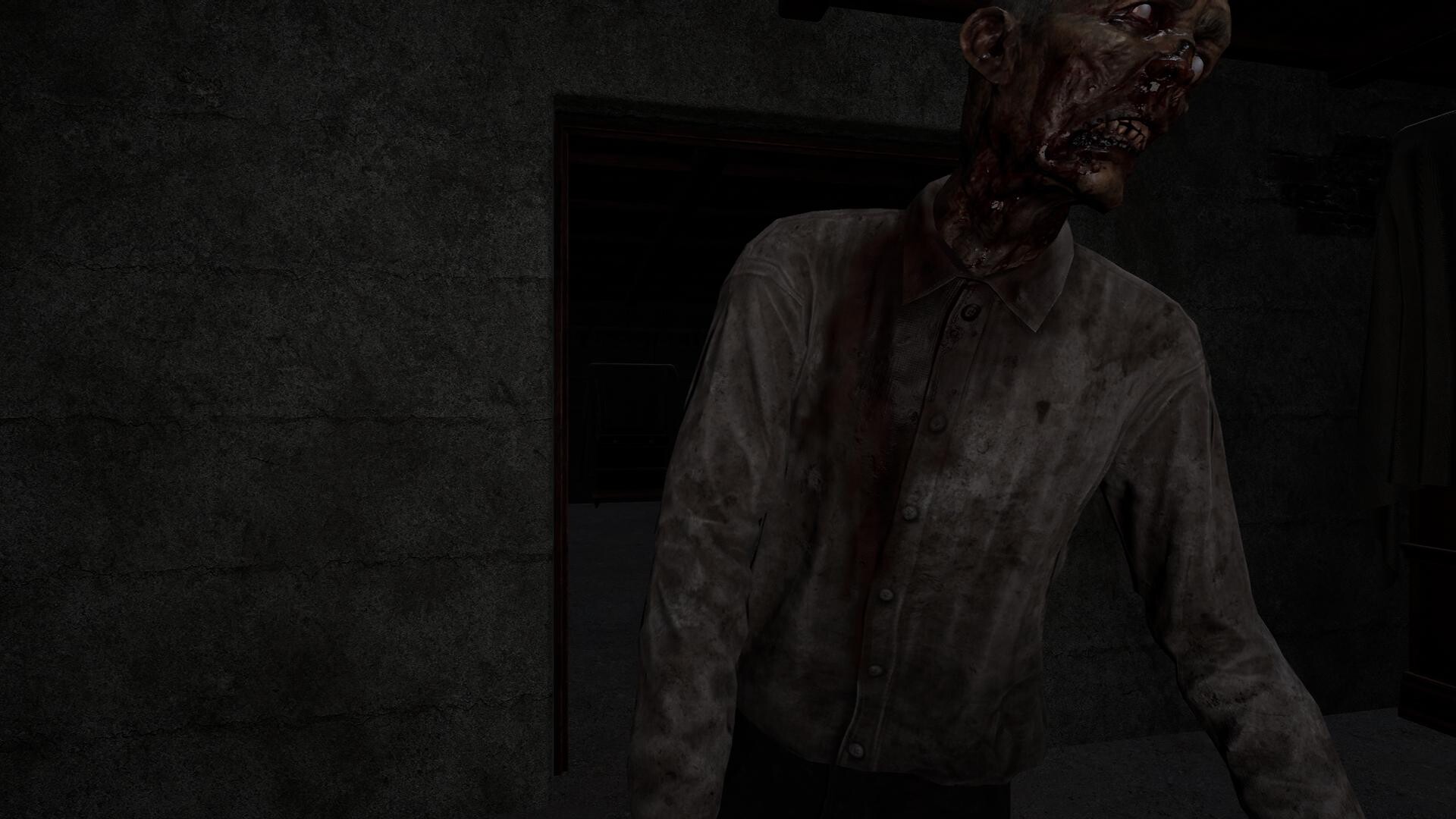
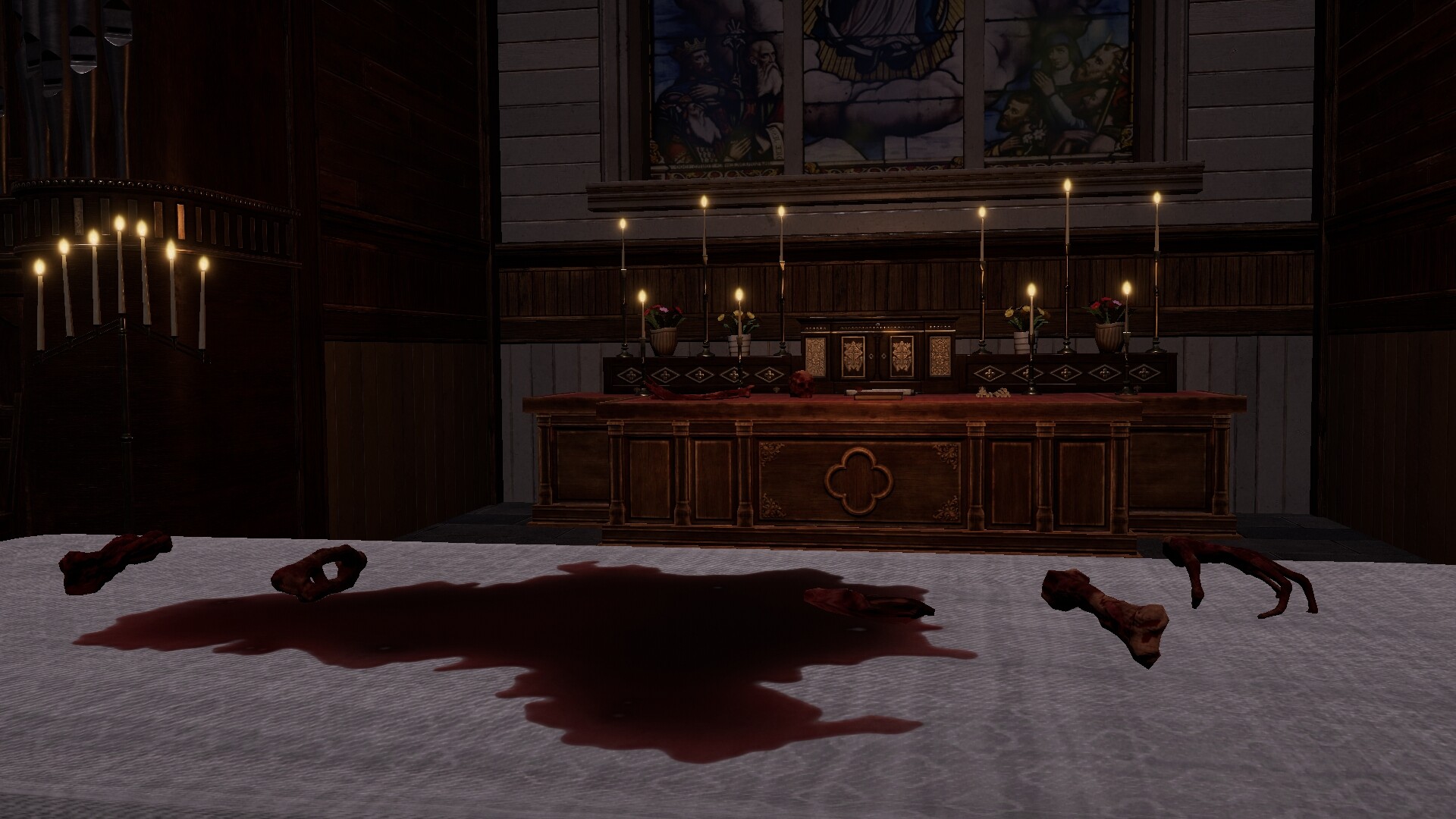
Trace of the Villa released on Steam on 28 May, 2026. It’s available as a PC/Steam indie release from Steadyturtle Co., Ltd.; the store page includes the header and multiple screenshots that emphasize interior locations and forensic‑style investigation.
Why this theme matters
Mansion mysteries that remove obvious context — missing names, falsified records, erased photographs — tilt a game’s design toward reading space and objects as primary narrative devices. Trace of the Villa’s conceit (arrivals without records, movements masked behind falsified identities) makes environmental reading the core engine: furniture placement, powered‑down systems and found manifests are not set‑dressing but the puzzle pieces that reveal the timeline. For players who want story progression to feel earned through deduction, that matters.
How progression and clue reading are framed
The Steam description outlines the loop: restore power, access secured systems, unlock compartments, and work through encrypted fragments and suspicious transfer records. That is a textbook example of chained clue design — one discovered item or repaired system produces new information that points to the next locked door or document. Object logic matters: physical items, safes and systems react to player actions and generate new nodes of evidence rather than handing answers via cutscenes.
Player scenarios — concrete examples of fit
- The Methodical Inspector: You like to list every discoverable item, cross‑reference manifests and slowly build a timeline from fragments. Trace of the Villa’s focus on manifests, encrypted documents and locked storage caters to that pace.
- The Environmental Reader: You prefer clues hidden in how a space is arranged — the presence or absence of photographs, neglected possessions, powered versus powered‑down machinery. The game’s “erased” mansion conceit rewards spatial inference.
- The Narrative Puzzle Player: You want story beats tied to puzzle resolution (repair a system, reveal a dossier, learn a name). The official description explicitly ties system restoration to revelation, aligning expectations.
- Accessibility‑minded players: The Steam page lists color alternatives, custom volume controls and subtitles, so inspection‑heavy sections are more approachable for a wider set of players.
Comparison with nearby mystery/puzzle titles
Below is an editorial comparison focused on genre, atmosphere, puzzle focus, exploration style, story tone and pacing — intended to help you decide if Trace of the Villa matches your tastes.
| Title | Genre / Core theme | Puzzle & exploration focus | Atmosphere & pacing | Best for |
|---|---|---|---|---|
| Trace of the Villa | Action / Adventure / Indie — mansion mystery | Inspection, object logic, chained clues (restoring power, hidden compartments, safes, encrypted documents) | Slow‑burn, forensic, atmosphere built from erasure and found records | Players who want story revealed by environmental reading and document fragments |
| The Room | Adventure / Indie | Tactile mechanical puzzles focused on interlocking devices and safes | Claustrophobic, single‑room focus with escalating mechanical mystery | Fans of tight, object‑based puzzle boxes |
| The Room Two | Adventure / Indie | Continues the emphasis on ornate puzzle devices and isolated puzzle spaces | Cryptic, atmospheric; puzzles serve an unfolding, surreal narrative | Players who enjoyed the original’s mechanical puzzling and mood |
| Escape Simulator | Adventure / Simulation / Indie | Highly interactive escape rooms with physics, object interaction and community rooms | Quicker, room‑to‑room puzzle variety; can be co‑op or solo | Those who like high interactivity and modular, replayable escape rooms |
| Hi‑Fi RUSH | Action | Combat and rhythm mechanics rather than environmental puzzle investigation | Fast‑paced, music‑driven and kinetic | Players seeking action and rhythmic design over slow investigative pacing |
YouTube discovery
If you want to see trailers or gameplay footage, search YouTube for Trace of the Villa — use this discovery link: Steam page
Leave a Reply