
Trace of the Villa: a narrative puzzle adventure built around clue-reading and object logic
Trace of the Villa casts you as Jin, a man reopening cold leads inside a decaying mansion to learn whether his missing sister might still be alive. Released on 28 May, 2026 by Steadyturtle Co., Ltd., the game frames its investigation in environmental story puzzles where power restoration, safes and encrypted fragments drive forward the mystery.

Who this is for
If you prefer slow-burn suspense and story-rich adventure where piecing together documents, manifests and environmental cues matters more than twitch reflexes, Trace of the Villa is aimed at you. The Steam metadata classifies it under Action, Adventure and Indie, and its categories note single-player play plus accessibility options like Color Alternatives, Subtitle Options and “Playable without Timed Input” — signals that the design supports thoughtful, deliberate puzzle solving rather than high-pressure arcade sequences.
What the game is
Trace of the Villa is a narrative puzzle-driven investigation set in a deliberately forgotten mansion. The official short description states: “Jin has spent years searching for his missing sister, pursuing leads that took him to a remote, decaying mansion where he recovered manifests and hints that indicate his sister may still be alive.” The longer Steam description explains how restoring the house’s power makes secured systems come back online, hidden compartments unlock, and safes yield fragments of encrypted documents and suspicious transfer records — each solved puzzle reveals another layer of a concealed operation.
When and where
Trace of the Villa launched on Steam on 28 May, 2026. It is presented in a Steam/PC context (developer and publisher listed as Steadyturtle Co., Ltd.).
Why the theme matters
The mansion setting and the emphasis on erased identities — rooms frozen in mid-routine, missing photographs and falsified records — shape an atmosphere of psychological investigation and environmental storytelling. The game leans on the tension created by absence: clues point toward people who passed through but left no formal trace. That thematic choice shifts the player’s role from puzzle solver to archival detective; object logic and document fragments become the language of the narrative.
How you read clues and progress
The official Steam text describes a clear progression loop: restore systems, reveal secured mechanisms, extract fragments, and follow financial or identity leads onward. Practically, that means the core gameplay will rely on close reading of recovered manifests and decrypted snippets, interpreting object placement and sequence logic in rooms, and using in-world systems (power, safes, locked compartments) to reveal the next narrative beat. If you enjoy puzzles where the solution is embedded in layered context rather than a single conspicuous key, this is the intended design.
Images from the game
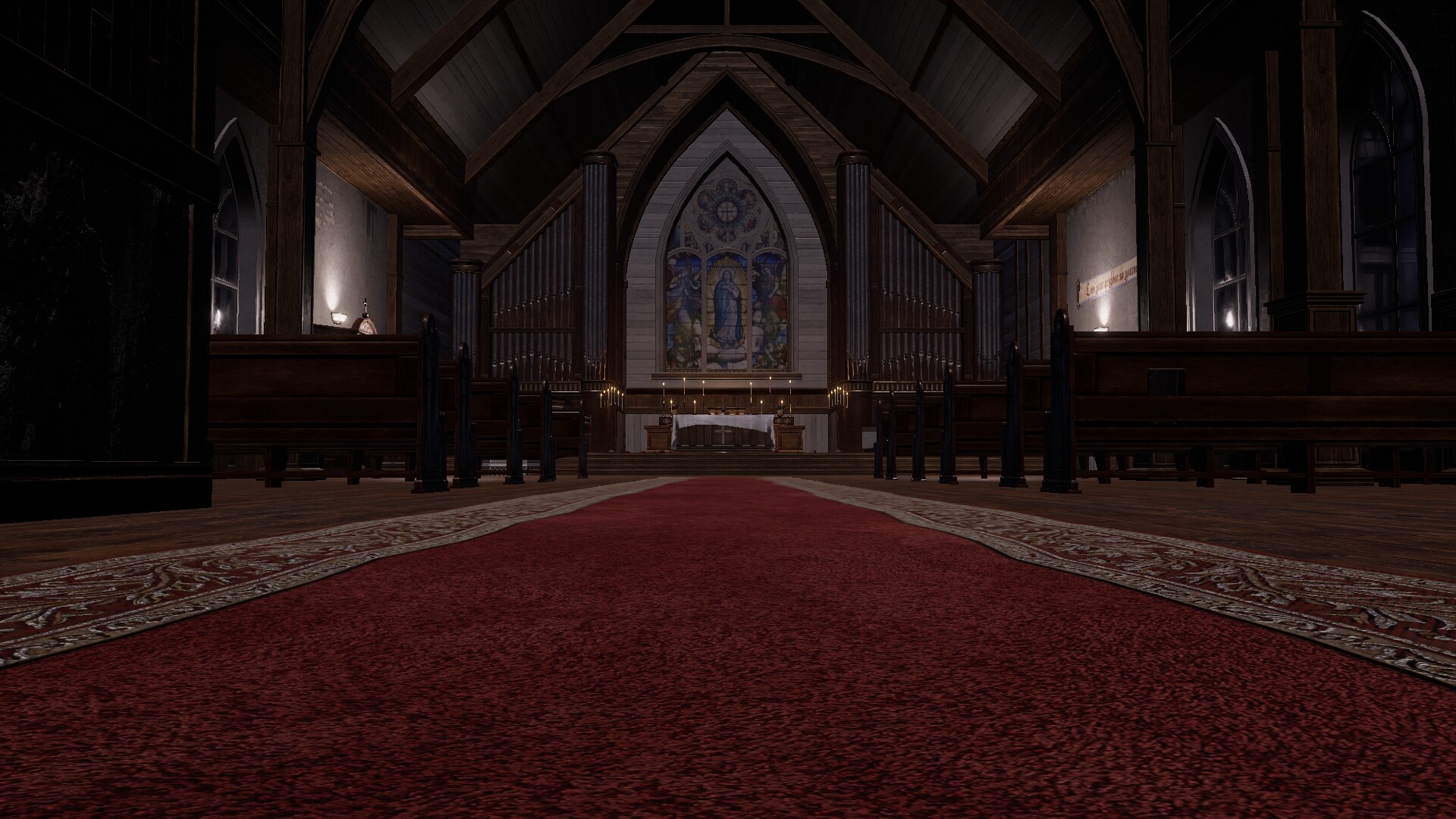

Compact facts: Trace of the Villa
| Title | Trace of the Villa |
|---|---|
| Release date | 28 May, 2026 |
| Developer / Publisher | Steadyturtle Co., Ltd. |
| Genres | Action, Adventure, Indie |
| Steam categories | Single-player; Color Alternatives; Custom Volume Controls; Playable without Timed Input; Subtitle Options; Family Sharing |
| Steam page | Open on Steam |
How it compares to nearby puzzle-adventure experiences
Below is a concise editorial comparison focused on puzzle type, atmosphere and player fit — not on claims of superiority.
| Title | Primary genre(s) | Puzzle focus | Exploration style | Story tone / pacing | Player fit |
|---|---|---|---|---|---|
| Trace of the Villa | Action, Adventure, Indie | Document fragments, safes, powered systems, object logic | Mansion-focused, methodical room-by-room reconstruction | Atmospheric, investigative, slow-burn discovery | Players who like narrative puzzle loops and clue-reading |
| The Room | Adventure, Indie | Mechanical puzzle boxes and tactile object interaction | Contained, single-room to small-area progression | Mysterious, focused on artifact puzzles | Players who enjoy tactile object puzzles and isolation |
| Escape Simulator | Adventure, Casual, Indie, Simulation | Highly interactive escape-room puzzles, physics interaction | Modular rooms, often shorter scenarios (solo or co-op) | Varied tones depending on room; emphasizes interactivity | Players who like high interactivity, short-form puzzles, or co-op |
| Unpacking | Casual, Indie, Simulation | Object placement and inference about daily life | Room-by-room, zen-paced domestic spaces | Quiet, reflective storytelling through possessions | Players who prefer low-pressure, narrative-through-objects |
Player scenarios — decide whether to wishlist
- You like slow, forensic investigation: If you enjoy assembling timelines from paperwork, tracking false identities, and letting atmosphere replace on-screen hand-holding, Trace of the Villa’s recovered manifests and encrypted fragments should appeal.
- You favour mechanical, tactile puzzles: If you want hands-on, rotating-puzzle mechanics like classic “box” puzzles, consider something like The Room instead; Trace of the Villa appears to prioritise contextual and systemic puzzle outcomes (power systems, safes, encrypted documents).
- You enjoy social or highly interactive rooms: Escape Simulator offers the physics and interactivity of an escape-room toolkit and community content, which contrasts with Trace of the Villa’s single-player investigative tone.
- You prefer contemplative, object-driven narrative: If narrative emerges from the placement of belongings and domestic detail, Unpacking is the quieter analogue; Trace of the Villa applies object logic toward an explicitly investigative, suspenseful mystery.
YouTube discovery
If you want trailers or gameplay clips, search for Trace of the Villa on YouTube: YouTube: Trace of the Villa trailer & gameplay. (Use this as a discovery path; specific videos should be verified individually.)
Wishlist or view Trace of the Villa on Steam
Disclaimer: referenced titles and trademarks belong to their respective owners. Comparisons here are editorial discovery only.
Leave a Reply