
Trace of the Villa — who should consider it after atmospheric mystery adventures
Trace of the Villa (Steadyturtle Co., Ltd., released 28 May, 2026) positions itself as a slow-burn, evidence-led investigation inside a decaying mansion: restored systems, encrypted documents, and staged rooms form the spine of its mystery. If you value document-heavy environmental storytelling, methodical clue reading, and tension born from locked doors and missing identities, this title is worth a look.

Who this game is for
Players who prefer narrative puzzle design over twitch action: if you enjoy atmospheric mystery adventure experiences where investigation is driven by documents, manifests, and financial traces rather than combat or timed reflex tests, Trace of the Villa is aimed at that audience. Its Steam categories include Single-player, Playable without Timed Input, and Subtitle Options — useful signposts if you like deliberate pacing and readable evidence.
What the game is
Trace of the Villa follows Jin, a protagonist searching for his missing sister, who follows a lead to a remote, decaying mansion and recovers manifests and hints suggesting she may still be alive. The mansion’s state — rooms left as if occupants vanished mid-routine, locked doors, and absent identifying records — sets up an investigation that leans on restoring power, unlocking systems, and recovering encrypted documents and transfer records to piece together a timeline.
| Title | Trace of the Villa |
|---|---|
| Steam AppID | 3483660 |
| Release date | 28 May, 2026 |
| Developer / Publisher | Steadyturtle Co., Ltd. |
| Genres | Action, Adventure, Indie |
| Notable Steam categories | Single-player; Playable without Timed Input; Subtitle Options; Color Alternatives; Custom Volume Controls; Family Sharing |
| Short premise | Jin pursues leads at a remote mansion and recovers manifests and hints that his missing sister may still be alive. |
When and where: Steam context
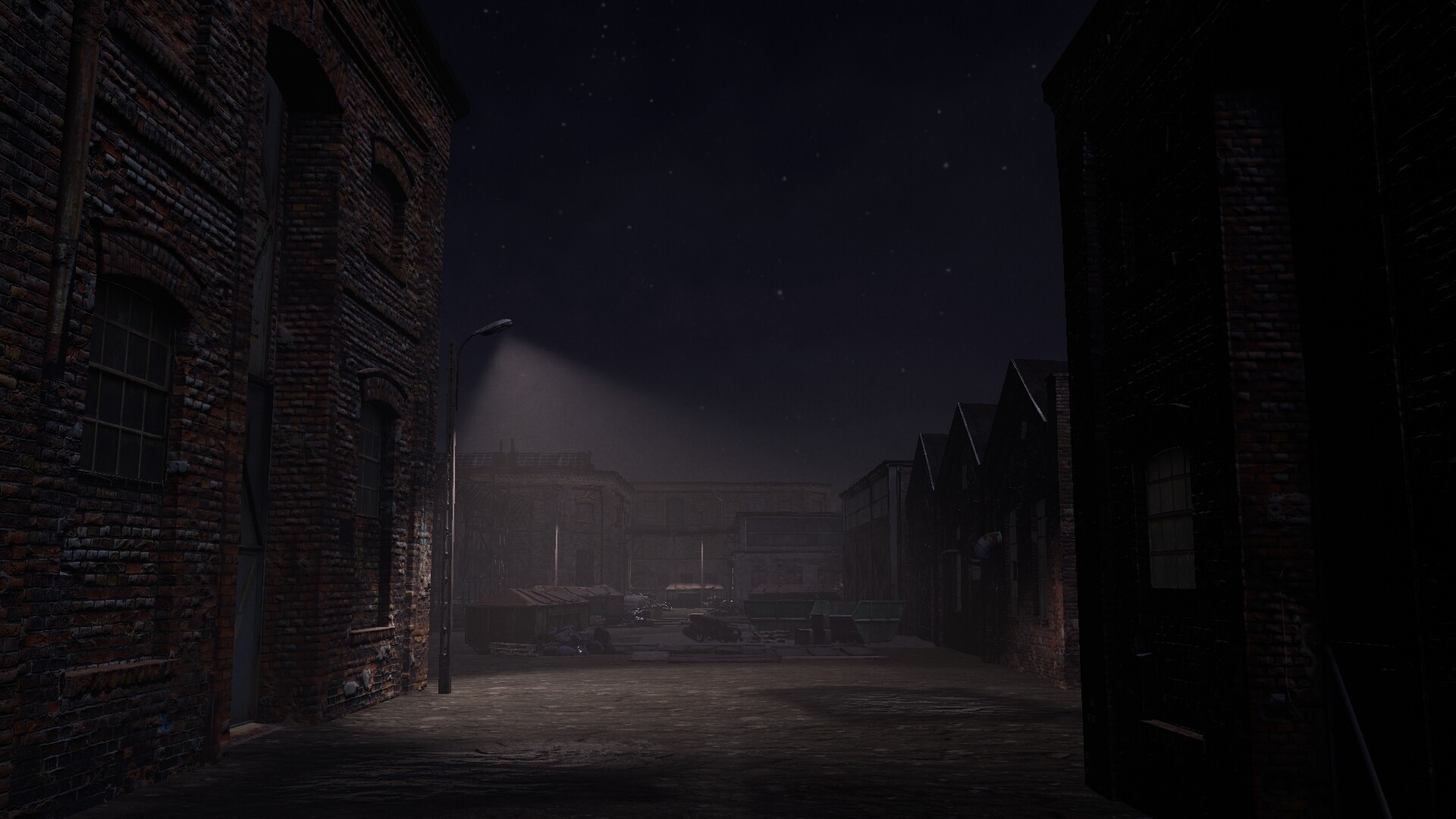
Trace of the Villa is available on Steam (released 28 May, 2026). The store page assets and screenshots give a strong sense of interior, low-light environments and document-driven discovery; Steam categories confirm single-player, accessibility options such as subtitles and playable-without-timed-input, and standard indie release presentation.
Why the theme matters: documents, dark rooms, and evidence-led investigation
The official description emphasises that the house “feels less abandoned than erased” and that restoring power reveals secured systems, hidden compartments, safes, and fragments of encrypted documents. That framing matters for player expectation: this is an investigation of paper trails, falsified identities, and financial records rather than a ghost-story that relies chiefly on jump scares. If you prefer piecing together motive and timeline from manifests and transaction traces, that investigative core is central here.
How you progress
Progression, as described on the Steam page, is driven by reactivating estate systems and uncovering physical and digital evidence: flip the breakers, bring systems online, open locked compartments, and assemble fragments of encrypted documents and suspicious transfer records. Each puzzle solved appears to uncover another layer of the mansion’s concealed operation and helps build a timeline of arrivals, departures, and forced anonymity.
Player scenarios — who should wishlist this
- Document-driven detective: You enjoy reading manifests, encrypted snippets, and transfer records to reconstruct timelines and motives.
- Slow-burn mystery fans: You prefer exploration and atmosphere over constant action — the Steam tags include Playable without Timed Input and Subtitle Options.
- Mansion mystery and environmental storytellers: If rooms staged as if inhabitants vanished mid-routine and hidden compartments appeal to you, this title leans on those motifs.
- Accessibility-minded players: If subtitles and adjustable volume controls matter, note the Steam categories list Subtitle Options and Custom Volume Controls.
- Single-player seekers: This is a single-player, story-focused experience rather than a multiplayer or cooperative title.
How Trace of the Villa compares to nearby mystery and puzzle games
The table below highlights lawful editorial differences based on genre, atmosphere, puzzle focus, exploration style, tone, and pacing using available public descriptions of each title.
| Title | Genre / Atmosphere | Puzzle / Investigation focus | Tone / Pacing |
|---|---|---|---|
| Trace of the Villa | Action / Adventure / Indie — mansion mystery, evidence-led | Document recovery, systems reactivation, encrypted fragments, financial traces | Slow-burn, methodical, investigative |
| Amnesia: The Dark Descent | Action / Adventure / Indie — immersive survival horror | Environmental puzzles blended with survival and atmosphere | High-tension, fear-driven immersion |
| SOMA | Action / Adventure / Indie — sci-fi horror beneath the sea | Narrative puzzles and exploration tied to existential themes | Slow, psychological, philosophical |
| Layers of Fear (2016) | Adventure / Indie — first-person psychological horror in a Victorian mansion | Story and atmosphere-driven puzzles, shifting environment | Unsettling, psychological, artistically framed |
| The Room | Adventure / Indie — focused mechanical puzzle box experience | Tight, tactile puzzles centered on a single contraption or device | Compact, puzzle-centric, contemplative |
| Rusty Lake Hotel | Adventure / Indie — dark point-and-click puzzles | Short, surreal puzzles in a narrative series format | Quirky, eerie, episodic |
YouTube discovery
If you want to see footage or trailers, search for Trace of the Villa on YouTube: YouTube search: Trace of the Villa trailer / gameplay. (Use this as a discovery path; a specific official video is not claimed here.)
View Trace of the Villa on Steam
Leave a Reply