
Trace of the Villa — Why Quiet Tension Trumps Shock in Slow‑Burn Steam Horror
Trace of the Villa arrives on Steam as a story‑rich, mansion‑based investigation built around environmental storytelling and clue‑driven exploration. Its strength is a steady, oppressive uncertainty—not jump scares—making it a title aimed at players who prefer psychological investigation over cheap shocks.

Quick facts
| Title | Trace of the Villa |
|---|---|
| Steam appid | 3483660 |
| Release date | 28 May, 2026 |
| Developer / Publisher | Steadyturtle Co., Ltd. |
| Genres | Action, Adventure, Indie |
| Categories | Single-player; Color Alternatives; Custom Volume Controls; Playable without Timed Input; Subtitle Options; Family Sharing |
| Steam reviews (public) | No user reviews |
Who this is for
If you value creeping atmosphere, methodical puzzle work, and a narrative that unfurls as you restore systems and read manifests, this is pitched squarely at you. Trace of the Villa suits players who like first‑person exploration with investigative beats—people who will sit with silence to let a scene register, then follow breadcrumbs of paperwork, encrypted fragments, and locked rooms to a larger conspiracy.
What the game is
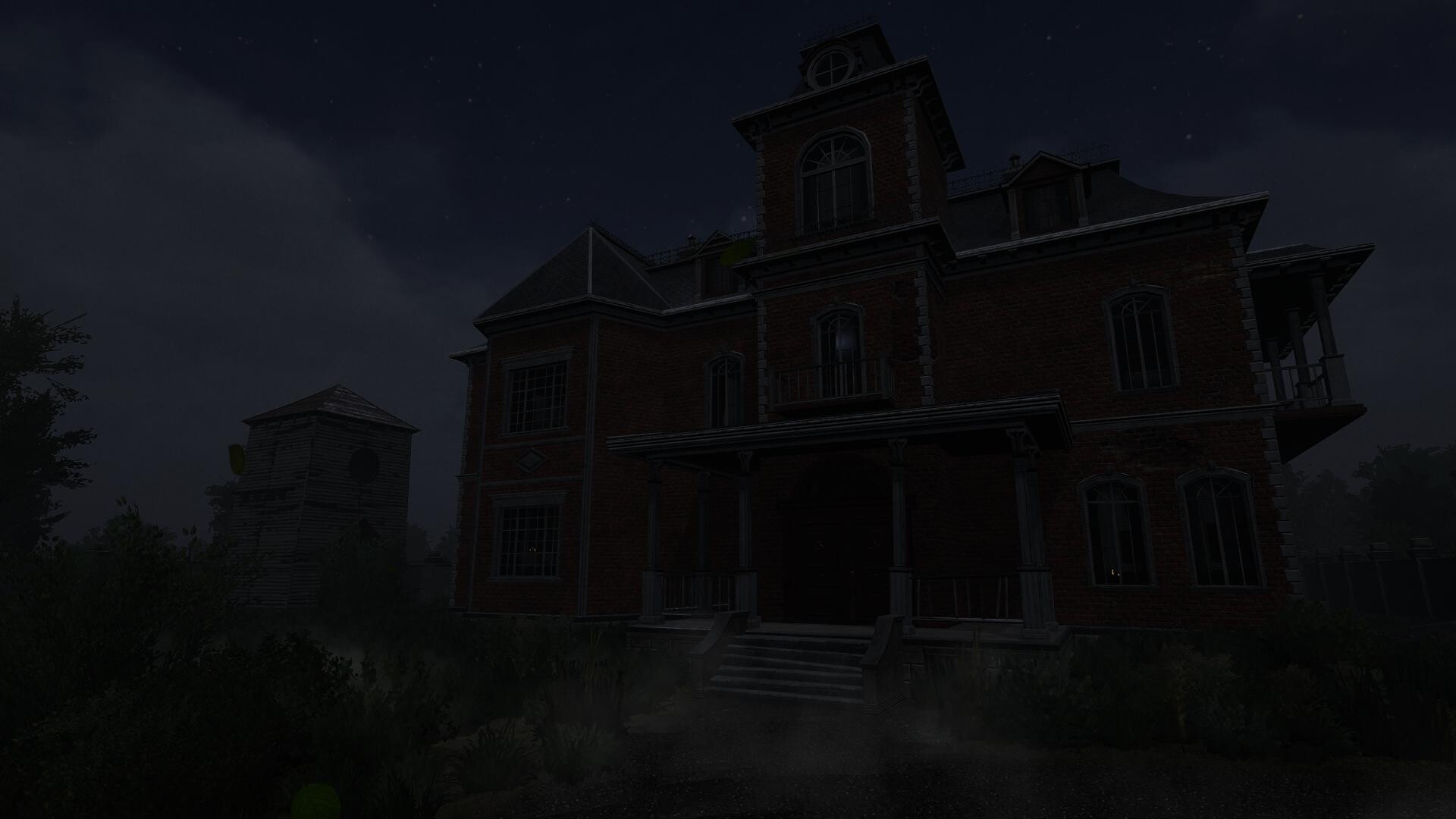
According to the Steam page, Trace of the Villa follows Jin, who has spent years searching for his missing sister and follows a lead to a remote, decaying mansion. The estate is cut off from the grid and appears intentionally erased: furnished rooms with no names, locked doors, and systems that reveal fragments of a concealed operation once power is restored. The game mixes atmospheric exploration with clue‑driven puzzle solves and narrative discovery—an atmospheric mystery adventure that favors tension and uncertainty over loud scares.
When and where
Trace of the Villa released on Steam on 28 May, 2026 and is published by the developer, Steadyturtle Co., Ltd. The Steam store page lists standard single‑player PC features including subtitle options and custom volume controls; it is available on Steam at the official store page linked below.
Why quiet tension and uncertainty matter
Horror that relies on protracted uncertainty changes how a player approaches every door, every item, every restored circuit. When the house itself feels “erased” of identity, small clues carry disproportionate weight: a ledger entry, a mislabeled safe, the hum of a restarted appliance. That scarcity of information forces interpretation and keeps the player off balance—a psychological pressure cooker that persists between puzzle solves rather than collapsing into predictable jump scares. For players who appreciate slow‑burn suspense, this approach sustains dread while rewarding patience and attention.
How you progress
Progress in Trace of the Villa is tied to exploration and the act of bringing the property back online. Restoring power and accessing secured systems yields encrypted documents, manifests, and transfer records; solving puzzles and locating hidden compartments unlocks the next layer of narrative. The Steam description emphasizes environmental storytelling and reconstructing timelines from fragments—so the gameplay loop is discovery → interpretation → system/device unlocks → new areas/clues. The categories list also suggests accessibility options (subtitles, custom volume, color alternatives) and an experience that doesn’t depend on timed inputs.

Player scenarios — who should wishlist it
- Investigative pace players: You enjoy reading in‑game documents, reconstructing timelines, and letting atmosphere do the heavy lifting.
- Slow‑burn fans: If jump scares feel cheap to you and you prefer dread that grows from ambiguity, this fits your taste.
- Accessibility conscious players: The Steam page lists subtitle options, color alternatives, and custom volume controls—useful if you rely on those features to parse story clues.
- Not ideal for adrenaline‑seekers: If you expect frequent action sequences or arcade pacing, Trace of the Villa’s investigative tempo may feel sluggish.
How it compares — editorial discovery
Below is a focused, lawful editorial comparison to nearby psychological and atmospheric horror/adventure titles. This is about fit and tone, not a claim of superiority.
| Title | Core genres / feel | Puzzle focus | Exploration style | Pacing / tone | Player fit |
|---|---|---|---|---|---|
| Trace of the Villa | Action / Adventure / Indie — mansion mystery, environmental storytelling | Clue‑driven, document and system recovery | Methodical, room‑by‑room investigation | Slow burn, ambiguous, tension through uncertainty | Players who prefer narrative puzzles and atmospheric dread |
| Amnesia: The Dark Descent | Action / Adventure / Indie — immersive survival horror | Puzzle-lite, survival and resource‑aware problem solving | Linear but highly immersive, darkness and vulnerability | Relentless dread with acute fear moments | Players seeking immersion and fright from vulnerability |
| SOMA | Action / Adventure / Indie — sci‑fi existential horror | Story puzzles and environmental clues | Exploratory, narrative‑forward environments | Thoughtful, existential dread more than jump scares | Players who want philosophical horror and narrative weight |
| Layers of Fear (2016) | Adventure / Indie — psychological mansion horror | Environmental puzzles tied to narrative reveals | Shifting mansion, surreal exploration | Psychological, hallucinatory, cadence varies by chapter | Players who like surreal, story‑driven mansion experiences |
| Poppy Playtime | Action / Adventure / Indie — puzzle‑horror with set pieces | Gadget puzzles and encounter mechanics | Segmented factory areas with scripted threats | Higher tempo, more overt threats and set pieces | Players who want puzzle mechanics plus tense encounters |
YouTube discovery
If you want to find trailers or gameplay clips, search on YouTube using this discovery link (use as a search path — videos should be verified individually): YouTube: Trace of the Villa trailer & gameplay.
Final decision guide
Wishlist Trace of the Villa if you prize environmental storytelling, slow‑building dread, and investigative puzzle loops that reward careful reading and patience. Defer if you want fast action, frequent shocks, or multiplayer spectacle. The Steam page and included accessibility options suggest a considered single‑player experience tailored to methodical players.
Leave a Reply