Trace of the Villa — a premise-first narrative guide for players who want story context without spoilers
Trace of the Villa puts you in Jin’s shoes: years of searching for a missing sister lead him to a remote, decaying mansion where manifests and hints suggest she may still be alive somewhere at the end of the trail. This article lays out the story premise, who will enjoy this atmosphere-driven mystery, and how the game reveals its hidden backstory — with no plot spoilers.

Quick facts
| Title | Trace of the Villa |
|---|---|
| Release date | 28 May, 2026 |
| Developer / Publisher | Steadyturtle Co., Ltd. |
| Genres | Action, Adventure, Indie |
| Steam categories | Single-player; Color Alternatives; Custom Volume Controls; Playable without Timed Input; Subtitle Options; Family Sharing |
| Steam page | View Trace of the Villa on Steam |
Who is this for?
- Players who prize atmospheric mystery adventure and environmental storytelling over loud set‑pieces.
- Fans of clue-driven exploration and puzzle design that tie directly into a character’s personal investigation.
- Anyone curious about slow-burn psychological investigation that peels back institutional layers — falsified identities, secured systems, and blanked records — rather than straightforward action plotlines.
What the game is (premise-first)
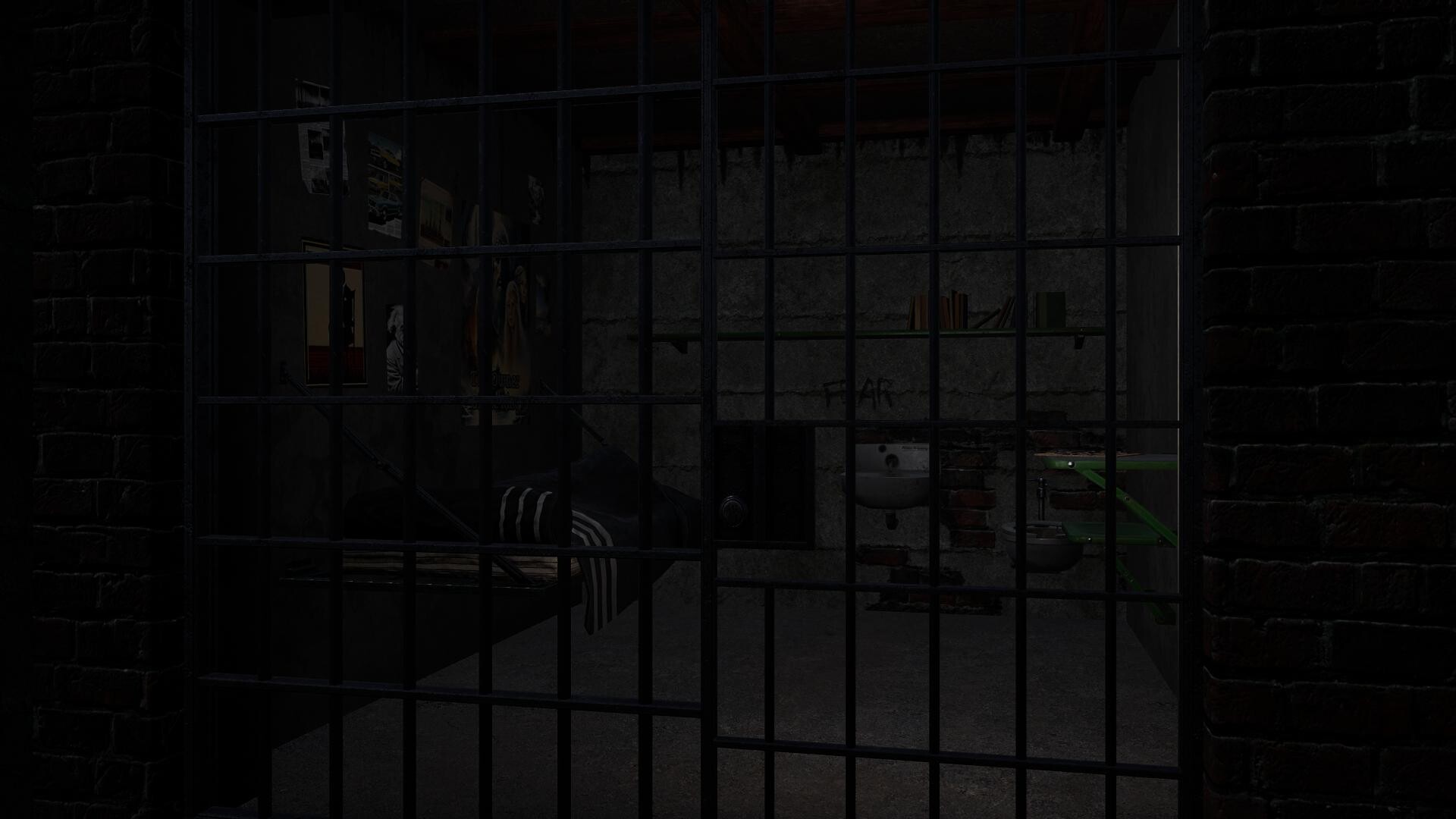
Officially described, Trace of the Villa opens with Jin following a lead to a remote mansion cut off from the grid. Manifests and recovered hints suggest that people arrived or left without records; rooms look like occupants vanished mid-routine and many signs point to identities and histories being deliberately removed. When Jin restores power to the estate, secured systems come back online and previously hidden compartments and encrypted documents start to reveal fragments of a larger, concealed operation.

When and where
Trace of the Villa released on Steam on 28 May, 2026. It’s a PC/Steam indie listed under Action, Adventure, and Indie; Steam categories indicate single‑player play, color alternatives, subtitle options, and other accessibility-oriented features.
Why the theme matters
The core theme — a place where identities have been blanked and people moved through under strict control — creates a specific kind of narrative curiosity. Instead of direct exposition, the game presents fragments: manifests, transfer records, locked systems and rooms arranged as if the residents simply ceased to exist. For players who enjoy constructing an arc from small, suggestive details, that pattern of intentional erasure and financial/identity obfuscation offers a compelling, morally ambiguous mystery to untangle.
How you read clues and progress (spoiler‑free)
- Investigation through environment: many story beats arrive via the state of rooms and objects — belongings left mid‑use, empty photo albums, and the absence of names where you’d expect them.
- Systems and puzzles: restoring power to the estate is a narrative trigger; bringing systems back online unlocks safes, reveals encrypted fragments, and changes how spaces behave, shifting the investigation forward.
- Fragmented documents and manifests: you’ll assemble timeline pieces from documents and transfer records; progression feels like piecing together a ledger or a map rather than following a single narrator.
- Playstyle: the Steam listing’s categories (playable without timed input, subtitle options, color alternatives) suggest a measured pace focused on reading and solving rather than reflex challenges.
Which players should wishlist it?
Wishlist if you prefer:
- Slow-burn suspense and environmental mystery over constant combat or action set-pieces.
- Puzzle design tied to narrative discovery — unlocking a safe is also an informational reveal.
- Personal-investigation hooks (a protagonist searching for a missing sibling) that make every recovered hint feel consequential.
Player scenarios — pick your approach
- Late-night atmosphere hunter: You want a game to sit with for hours, reading documents and letting the mansion’s silence do the heavy lifting. Expect measured pacing and layered reveals.
- Puzzle-literate investigator: You enjoy environmental puzzles that gate story fragments. Restoring systems and solving encrypted fragments will be satisfying work.
- Action-adventure hybrid fan: The game’s genres include Action and Adventure, so if you like a mix of exploratory puzzle work with occasional action-oriented beats, this sits closer to that middle ground than to pure walking-sim minimalism.
How Trace of the Villa compares (editorial discovery)
Below is a practical comparison on tone, story focus, exploration style, and pacing to help decide whether Trace of the Villa matches your tastes. This is editorial discovery, not a claim of endorsement or direct lineage.
| Game | Tone / Atmosphere | Story focus | Exploration / Puzzle style | Pacing / Recommended for |
|---|---|---|---|---|
| Trace of the Villa | Slow-burning mansion mystery, erased identities | Personal investigation (Jin searching for his sister), institutional obfuscation | Environment-driven clues, restoring systems, encrypted documents | Players who like measured, clue-driven detective work |
| Inscryption | Inky, psychological, unsettling | Card-based metafiction with hidden secrets | Deckbuilding meets escape-room puzzles | Players who want psychological twists and layered surprise mechanics |
| Outer Wilds | Curious, wonder-infused mystery | Open-world cosmic puzzle about a system trapped in a loop | Exploratory, discovery-first world design | Players who enjoy expansive, non-linear mystery learning |
| Journey | Minimal, contemplative, evocative | Emotional exploration rather than document-driven mystery | Traversal and environmental puzzles with strong visual storytelling | Players seeking meditative, visually driven experiences |
| The Forgotten City | Time-loop mystery with moral weight | Narrative puzzle focused on consequences and choices | Dialogue and time-based puzzle design | Players who like narrative puzzles and moral problem-solving |
| The Medium | Psychological horror, dual-reality atmosphere | Spirit-world investigation and confronting echoes of trauma | Exploration across two realms with puzzle interplay | Players who want darker, dual-reality narrative tension |
YouTube discovery
If you want trailer or gameplay footage to judge pacing and atmosphere, search YouTube for Trace of the Villa trailers and gameplay:
YouTube discovery
For trailer and gameplay discovery, use YouTube search rather than relying on unverified embeds: Find Trace of the Villa trailer and gameplay searches on YouTube.
Leave a Reply