
Trace of the Villa — why quiet dread and the psychology of an empty mansion matter
Trace of the Villa centers on slow, investigative tension rather than jump scares: Jin follows faint manifests and locked rooms through a decaying, off‑grid mansion to find clues that someone may still be alive. Released on 28 May, 2026 and developed/published by Steadyturtle Co., Ltd., it trades visceral shocks for the steady accumulation of unsettling detail.

Quick facts
| Title | Trace of the Villa |
|---|---|
| Steam AppID | 3483660 |
| Release date | 28 May, 2026 |
| Developer / Publisher | Steadyturtle Co., Ltd. |
| Genres | Action, Adventure, Indie |
| Categories | Single-player; Color Alternatives; Custom Volume Controls; Playable without Timed Input; Subtitle Options; Family Sharing |
| Official short premise | Jin has spent years searching for his missing sister, pursuing leads that took him to a remote, decaying mansion where he recovered manifests and hints that indicate his sister may still be alive. |
| Steam reviews (public) | No user reviews available |
Who is Trace of the Villa for?
This is for players who prefer psychological investigation and atmospheric mystery adventure over twitch reflex horror. If you enjoy environmental storytelling, slow-burn suspense, and clue-driven exploration — the kind of play that rewards careful reading of rooms and documents — Trace of the Villa is pitched at you. The inclusion of subtitle options, custom volume controls and “playable without timed input” also signals a considered single‑player experience oriented toward thoughtful pacing rather than timed reactions.
What the game is, in practical terms
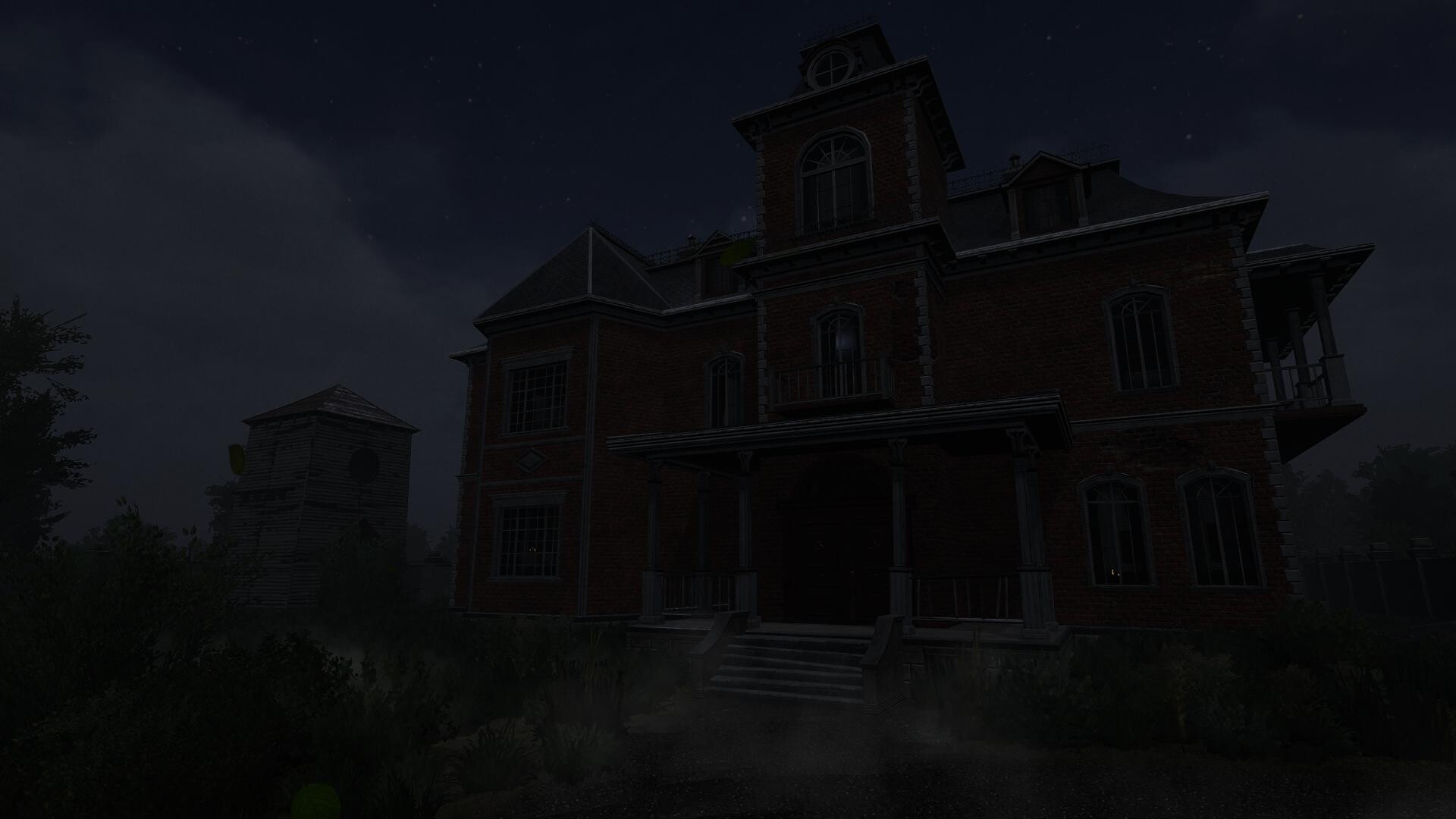
Officially described on Steam, the protagonist Jin follows a lead to a deliberately forgotten mansion and discovers rooms that feel “less abandoned than erased.” When Jin restores power to the estate, secured systems and hidden compartments begin to reveal fragments: safes yield encrypted documents, suspicious transfer records appear, and a pattern of falsified identities and masked movements takes shape. That sequence — restoring systems, reading manifests, using puzzles to unlock more evidence — is how the story and tension are delivered.
When and where
Trace of the Villa launched on Steam on 28 May, 2026. It’s listed as an Action / Adventure / Indie title on the platform and is available as a single‑player PC experience with accessibility options noted on the Steam page.
Why quiet tension and uncertainty matter more than shock
Quiet dread operates differently from a jump scare: it asks you to imagine events that may have happened, and to fill gaps with your own fears. In a mansion mystery built around erased identities and falsified records, sustained uncertainty amplifies every discovery. Small, controlled reveals — a power switch that unlocks a single drawer, an encrypted fragment that implies human control — compound into an escalating sense of wrongdoing. This is psychological horror as investigation: the dread comes from implication and omission, not from predictable shocks.
How you progress: reading the house
Based on the Steam description, gameplay progression is rooted in environmental puzzle design and forensic exploration. You restore power, and with it come systems that let you access new areas and documents. Puzzles and safes yield encrypted fragments and suspicious records; solving them extends the timeline and points to a larger operation. The game privileges clue‑driven exploration and narrative puzzle design over combat or timed reflex challenges.
Player scenarios — who should wishlist it
- Slow-burn players: If you prefer long stretches of atmosphere, punctuated by revelations that change your understanding of the house, wishlist it.
- Environmental storytellers: Players who enjoy piecing together narrative from objects, manifests and room layout will find the mansion’s “erased” histories rewarding.
- Puzzle explorers: Those who like narrative puzzles that unlock documents and systems rather than combat encounters should find a good fit.
- Accessibility-conscious players: Steam categories show subtitle options, custom volume controls and playability without timed input — features that matter if you want a deliberate pace.
How Trace of the Villa compares to nearby games
Below is a concise editorial comparison on lawful criteria — genre, tone, puzzle focus, exploration style and pacing — to help decide fit, not to rank or claim superiority.
| Title | Genre / Tone | Puzzle focus | Exploration style | Pacing / Best for |
|---|---|---|---|---|
| Trace of the Villa | Action / Adventure / Indie — mansion mystery, quiet psychological dread | Clue-driven puzzles, safes and encrypted documents (restoring systems unlocks new evidence) | Linear exploration of a decaying, off‑grid estate with environmental storytelling | Slow-burn; players who want investigative pacing and sustained uncertainty |
| Amnesia: The Dark Descent | Action / Adventure / Indie — immersive first‑person survival horror | Puzzles mixed with stealth and sanity mechanics | Atmospheric, confined exploration emphasizing immersion and vulnerability | Intense immersion and dread; players comfortable with high-tension survival elements |
| SOMA | Action / Adventure / Indie — sci‑fi horror with existential themes | Puzzles integrated into narrative and environment | Exploration of a hostile, story‑heavy setting with scripted encounters | Narrative‑first players who want philosophical horror mixed with exploration |
| Layers of Fear (2016) | Adventure / Indie — first‑person psychological horror in a Victorian mansion | Atmospheric puzzles that drive a fragmented story | Surreal, shifting rooms that emphasize storytelling and mood | Fans of artist‑driven, psychologically disorienting experiences |
| Poppy Playtime | Action / Adventure / Indie — puzzle‑horror in an abandoned factory | Steam page
Leave a Reply