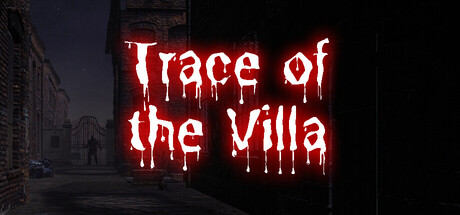
Trace of the Villa and the Quiet Power of Unnerving Uncertainty
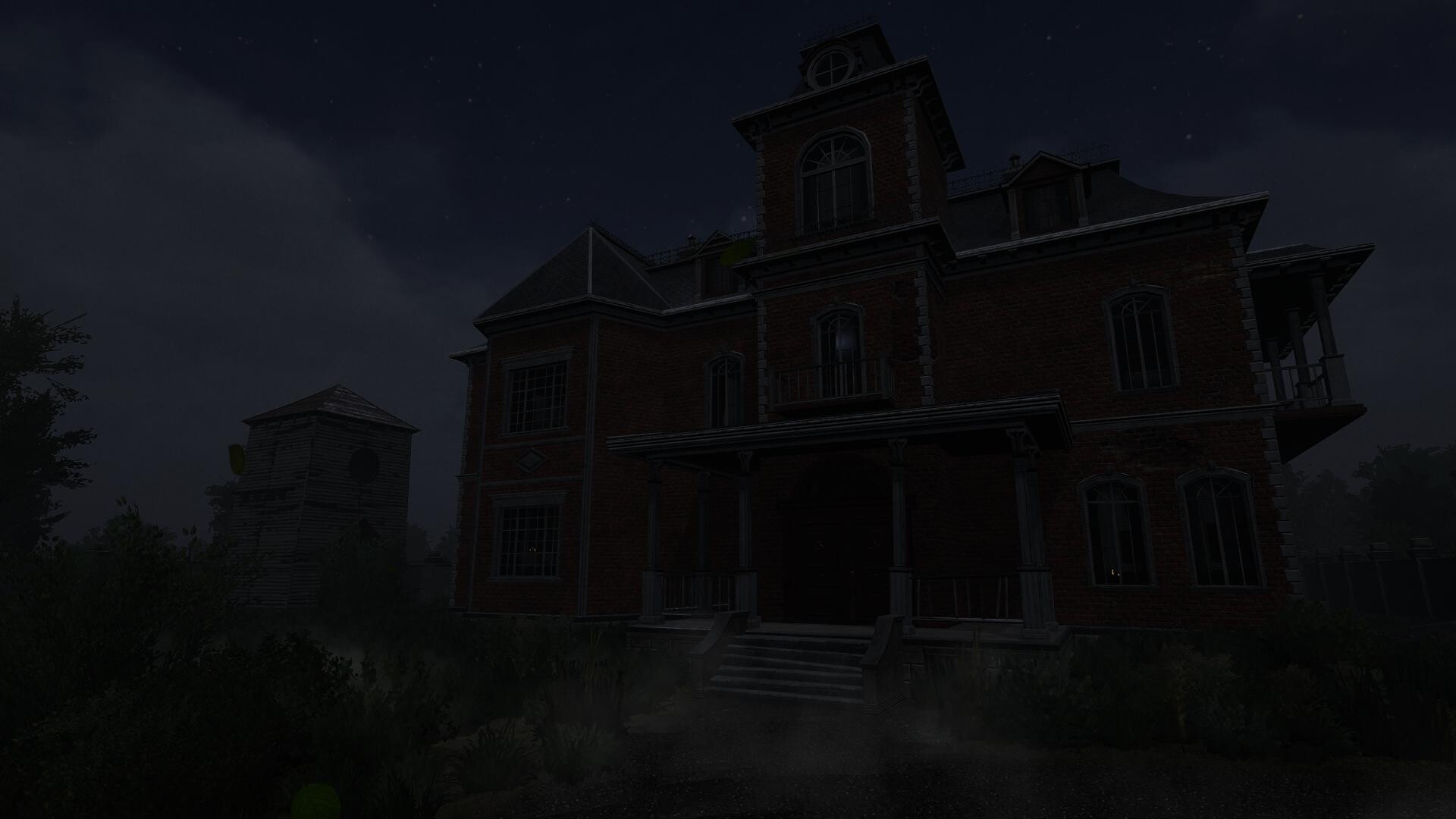
Trace of the Villa trades jump scares for the slow collapse of certainties: a decaying mansion, missing records, and a protagonist named Jin following faint manifests that hint his sister might still be alive. The game’s tension blooms in empty rooms, returning systems, and the patient work of reading an environment that refuses to explain itself.

Who, What, When, Where, Why, How
Who it is for
Players who prefer slow-burn suspense, environmental storytelling, and clue-driven exploration over loud horror beats. If you like atmospheric mystery adventure, narrative puzzle design, and investigation-focused pacing—this is aimed at that audience.
What the game is
Trace of the Villa is a Steam indie title developed and published by Steadyturtle Co., Ltd. Officially described on Steam as a story about Jin, who has spent years searching for his missing sister and follows leads to a remote, decaying mansion where manifests and hints suggest she may still be alive. The game is listed under the genres Action, Adventure, Indie and includes categories such as Single-player, Subtitle Options, and Playable without Timed Input.
When and where
Trace of the Villa was released on 28 May, 2026 and is available on Steam for PC. As of the current Steam listing, there are no user reviews posted yet.
Why the quiet theme matters
The official description emphasizes a mansion “less abandoned than erased” — rooms preserved mid-routine, personal items without names, and a silence “heavy with the sense that something happened here that was never meant to be discovered.” That conceptual void—missing records, removed identities, locked systems—creates an information asymmetry that makes each clue feel like a small victory and every empty corridor a growing question. Psychological horror built around uncertainty converts player curiosity into tension: you are not frightened solely because something appears, but because the space refuses to tell you what it was.
How progression and clues work
According to the Steam text, Jin restores power to the estate and the house begins to reveal what it was hiding: secured systems come back online, hidden compartments unlock, safes yield fragments of encrypted documents and suspicious transfer records. Each puzzle solved uncovers another layer of a concealed operation—financial trails, falsified identities, and evidence of controlled movements—so progress is driven by environmental investigation and piecing together partial information rather than by repeated shock set-pieces.
Compact facts: Trace of the Villa
| Title | Trace of the Villa |
|---|---|
| Steam AppID | 3483660 |
| Release date | 28 May, 2026 |
| Developer / Publisher | Steadyturtle Co., Ltd. |
| Genres | Action, Adventure, Indie |
| Notable categories | Single-player, Color Alternatives, Custom Volume Controls, Playable without Timed Input, Subtitle Options, Family Sharing |
| Official short description | “Jin has spent years searching for his missing sister, pursuing leads that took him to a remote, decaying mansion where he recovered manifests and hints that indicate his sister may still be alive, somewhere at the end of the trail he is about to follow.” |
| Steam page | View Trace of the Villa on Steam |
Images from the Steam listing

Who should wishlist it — player scenarios
- Investigation-first players: You enjoy reading notes, restoring power, and watching locked systems spit out context. The game frames progress around discovery and interpretation.
- Slow-burn atmosphere fans: If you prefer rising dread that comes from absence and implication rather than frequent jump scares, this fits your mood.
- Story-driven explorers: The premise revolves around piecing together falsified identities and financial traces; players who prize narrative puzzle design and the detective work that follows will find satisfying beats here.
- Players sensitive to timed inputs: The Steam listing notes the game is playable without timed input, which suits those who want to methodically examine environments.
How Trace of the Villa compares to nearby titles
Below is an editorial comparison focused on genre, atmosphere, puzzle emphasis, exploration style, pacing, and story tone—intended to help readers decide whether Trace of the Villa suits their tastes relative to other well-known psychological or investigative horror titles.
| Title | Core genre / vibe | Atmosphere | Puzzle focus | Exploration style | Pacing / story tone |
|---|---|---|---|---|---|
| Trace of the Villa | Action / Adventure / Indie (mansion mystery) | Empty, erased domestic spaces; quiet dread | Clue-driven—restoring systems, unlocking safes, encrypted fragments | Methodical, environment reading | Slow-burn suspense, investigative |
| Amnesia: The Dark Descent | Action / Adventure / Indie (survival psychological horror) | Immersive, oppressive darkness | Discovery and survival-oriented puzzles | First-person, atmospheric immersion | High-tension, fear through helplessness |
| SOMA | Action / Adventure / Indie (sci-fi horror) | Claustrophobic, uncanny undersea setting | Puzzles integrated into environment and narrative | Exploratory, narrative-heavy | Philosophical, slow-burn with existential dread |
| Layers of Fear (2016) | Adventure / Indie (psychological mansion horror) | Shifting Victorian interiors, surreal | Story-led environmental puzzles | Linear exploration with changing spaces | Atmospheric, sanity-leaning storytelling |
Leave a Reply