Trace of the Villa — a slow-burn, clue-driven mansion mystery
Trace of the Villa drops you into Jin’s search for a missing sister inside a deliberately erased, decaying mansion; the game stitches environmental puzzles, recovered manifests and encrypted fragments into a steadily mounting investigation. Released on 28 May, 2026 by Steadyturtle Co., Ltd., it positions itself as an atmospheric mystery adventure that depends on careful clue reading and object logic to move the story forward.

Who it’s for
If you prefer atmospheric mystery adventure on PC that rewards patient observation, Trace of the Villa is aimed at players who enjoy methodical investigations rather than twitch reflex or fast-action set pieces. The Steam page tags and categories (Action; Adventure; Indie; Single-player; Color Alternatives; Custom Volume Controls; Playable without Timed Input; Subtitle Options; Family Sharing) underline that it’s a single-player, accessible experience with an emphasis on story and puzzle solving rather than frantic gameplay.
What the game is
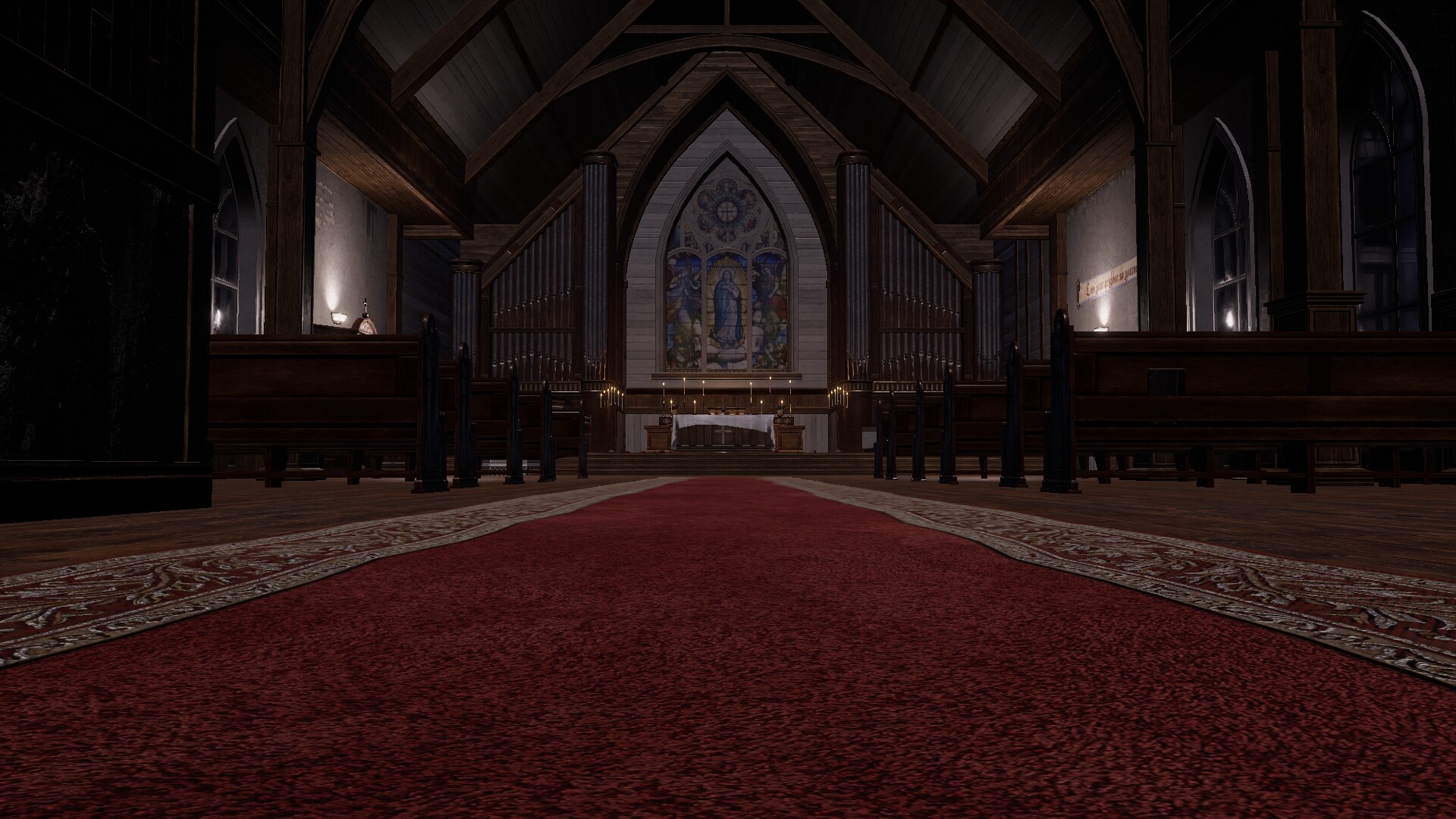
Trace of the Villa follows protagonist Jin, who arrives at a remote mansion after leads suggest his missing sister might still be alive. The estate has been “erased”: furnished rooms with no names or photographs, locked doors, hidden compartments and safes that yield fragments of encrypted documents and suspicious transfer records. As power is restored and systems come back online, the house reveals layers of a concealed operation — falsified identities, movement masked by financial trails, and the sense that the mansion served as part of something larger. The core loop is investigative: recover manifests, decode hints, and piece a timeline together from the environment itself.
When and where
Trace of the Villa released on 28 May, 2026 on Steam. It is developed and published by Steadyturtle Co., Ltd., and appears as a PC/Steam indie title in the Action, Adventure, Indie mix listed on its Steam page.
Why the theme matters
The mansion-as-texture motif matters because it makes every prop and document a storytelling device. In Trace of the Villa, the absence of obvious identities — photographs removed, ledger trails cut off — turns mundane objects into clues about who lived here and what the place was used for. Thematically, that erasure — and the player’s job of reconstructing identity and movement from fragments — creates psychological weight; each solved puzzle is also an act of narrative restoration.
How clue reading, object logic, and story puzzles shape the experience
Trace of the Villa structures progression around three interlocking puzzle rhythms:
- Clue reading: manifests, transfer records, and encrypted fragments aren’t just flavor text; they provide the factual scaffolding you need to test hypotheses about the timeline and motives. Reading closely is rewarded.
- Object logic: doors, safes and secured systems respond to in-world reasoning — restoring power reactivates mechanisms, hidden compartments unlock after specific conditions are met, and retrieved items often combine to yield access or decode a message.
- Story puzzles: beyond mechanical locks, many puzzles advance the narrative by revealing new layers of the mansion’s operation — financial trails, falsified identities, and evidence of people passing through under strict control. Solving them changes what the house reveals and reframes earlier clues.
Those three elements create a pace that’s investigative and cumulative: progression often requires synthesizing disparate facts rather than brute-forcing a single keypad code.
Concrete player scenarios — who should wishlist it
- Player A — The patient investigator: Enjoys inspecting documents, cross-referencing manifests and following a paper trail. You’ll appreciate the encrypted fragments and power-restoration beats that open new avenues of inquiry.
- Player B — The atmospheric story player: You prioritize environment and tone over combat. The mansion’s sense of erasure and slow reveal is likely to keep you engaged even when progression requires thinking rather than action.
- Player C — The puzzle-first player: You like mechanical puzzles linked to exploration. If you want item-combination logic and multi-step safes/compartment puzzles, Trace of the Villa aligns well — especially given the Steam tag that the game is playable without timed input.
- Player D — Not the best fit: If you’re looking for multiplayer, speedrunning, or high-octane arcade action, this single-player narrative puzzle focus and deliberate pacing may feel slow.

Compact facts — Trace of the Villa
| Title | Trace of the Villa |
|---|---|
| Developer / Publisher | Steadyturtle Co., Ltd. |
| Release date | 28 May, 2026 |
| Genres | Action, Adventure, Indie |
| Steam categories / accessibility | Single-player; Color Alternatives; Custom Volume Controls; Playable without Timed Input; Subtitle Options; Family Sharing |
| Steam page | Trace of the Villa on Steam |
How it compares to nearby puzzle-adventure titles
Below is an editorial comparison focusing on puzzle approach, atmosphere, exploration and player fit. This is comparative discovery, not a claim of superiority.
| Title | Core puzzle style | Exploration | Story focus / tone | Pacing / recommended player |
|---|---|---|---|---|
| Trace of the Villa | Clue-driven: manifests, encrypted fragments, safes; object logic linked to restoring systems | Single-location mansion with layered reveals as power and systems return | Psychological investigation; erased identities and concealment | Slow-burn; for players who favor environmental storytelling and methodical deduction |
| The Room | Mechanical puzzle boxes and safe/crank mechanisms | Tightly focused scenes (room-based) | Mysterious, tactile puzzle atmosphere | Focused puzzle-solvers who enjoy handcrafted contraptions |
| The Room Two | Expanded mechanical puzzles across multiple atmospheric locales | Multiple interconnected scenes with puzzle-centric progression | Cryptic and uncanny; puzzle-led narrative thread | Players who liked The Room and want broader scope |
| Escape Simulator | Highly interactive object puzzles; physics and item manipulation | Multiple themed rooms, supports community-made levels | Light story framing; emphasis on interaction and design variety | Great for players who enjoy tinkering with everything and sandbox puzzles |
| Unpacking | Spatial and inference puzzles (placement, narrative by objects) | Room-to-room domestic spaces revealing life stories | Zen, domestic narrative told through possessions | Players who like low-pressure, observation-led storytelling |
Steam trailer & YouTube discovery
For trailers and gameplay clips, try the YouTube search link (useful for discovering official or community videos): Search Trace of the Villa trailers on YouTube.
Decide if it fits you: wishlist Trace of the Villa if you value environmental storytelling, slow-burn suspense, and puzzles that ask you to read documents and assemble a timeline. If you prefer high-action or multiplayer puzzles, the single-player, investigative structure may feel narrowly focused.
Referenced titles and trademarks are the property of their respective owners. Comparisons above are editorial discovery only.
Leave a Reply