
Trace of the Villa — an atmospheric, clue-driven mansion mystery for PC
Trace of the Villa drops you into a remote, decaying mansion as Jin, a man following fragile leads that might point to his missing sister. The game’s loop centers on restoring power to a place cut off from the grid, watching secured systems and hidden spaces react, and rebuilding a timeline from fragmented documents and locked compartments.

Who, what, when, where, why, and how
Who it’s for
If you favor slow-burn suspense, environmental storytelling, and puzzle design that rewards careful observation, Trace of the Villa is aimed at you. The game’s Steam metadata lists it as Action / Adventure / Indie and single-player; it also offers accessibility-friendly toggles such as color alternatives, custom volume controls, and subtitle options—small but meaningful features for players who want to focus on reading an environment rather than reflex-based gameplay.
What the game is
Trace of the Villa places Jin in an estate “cut off from the grid and deliberately forgotten.” The official Steam text makes the core loop clear: restore power, bring systems back online, and recover manifests, encrypted documents, and transfer records that together form chainable clues. Rooms feel “erased” rather than simply abandoned—furniture, personal belongings and locked doors are gameplay devices that conceal the operation Jin is trying to expose.
When and where
Trace of the Villa released on 28 May, 2026 and is available on Steam for PC. The developer and publisher are Steadyturtle Co., Ltd.
Why the theme matters
The game’s conceit—an estate used as a node in a larger, concealed operation—turns standard locked-room thinking into a forensic exercise. Rather than just solving isolated puzzles, players assemble a narrative from records, safes and reactivated systems. That emphasis on reconstructing evidence makes the mystery feel procedural and investigative: each unlocked cabinet is potentially a new piece of a chain of custody.
How you progress
Progression hinges on environmental reading and logical chains. The official description is explicit: “When Jin restores power to the estate, the house begins to reveal what it was hiding. Secured systems come back online. Hidden compartments unlock. Safes yield fragments of encrypted documents and suspicious transfer records.” Mechanically, expect tasks that alternate between utility (power, switches, consoles) and interpretive work (matching manifests to financial trails, cross-referencing falsified identities). That combination rewards players who think like a detective: map connections, test hypotheses, and reconstruct a timeline from partial evidence.
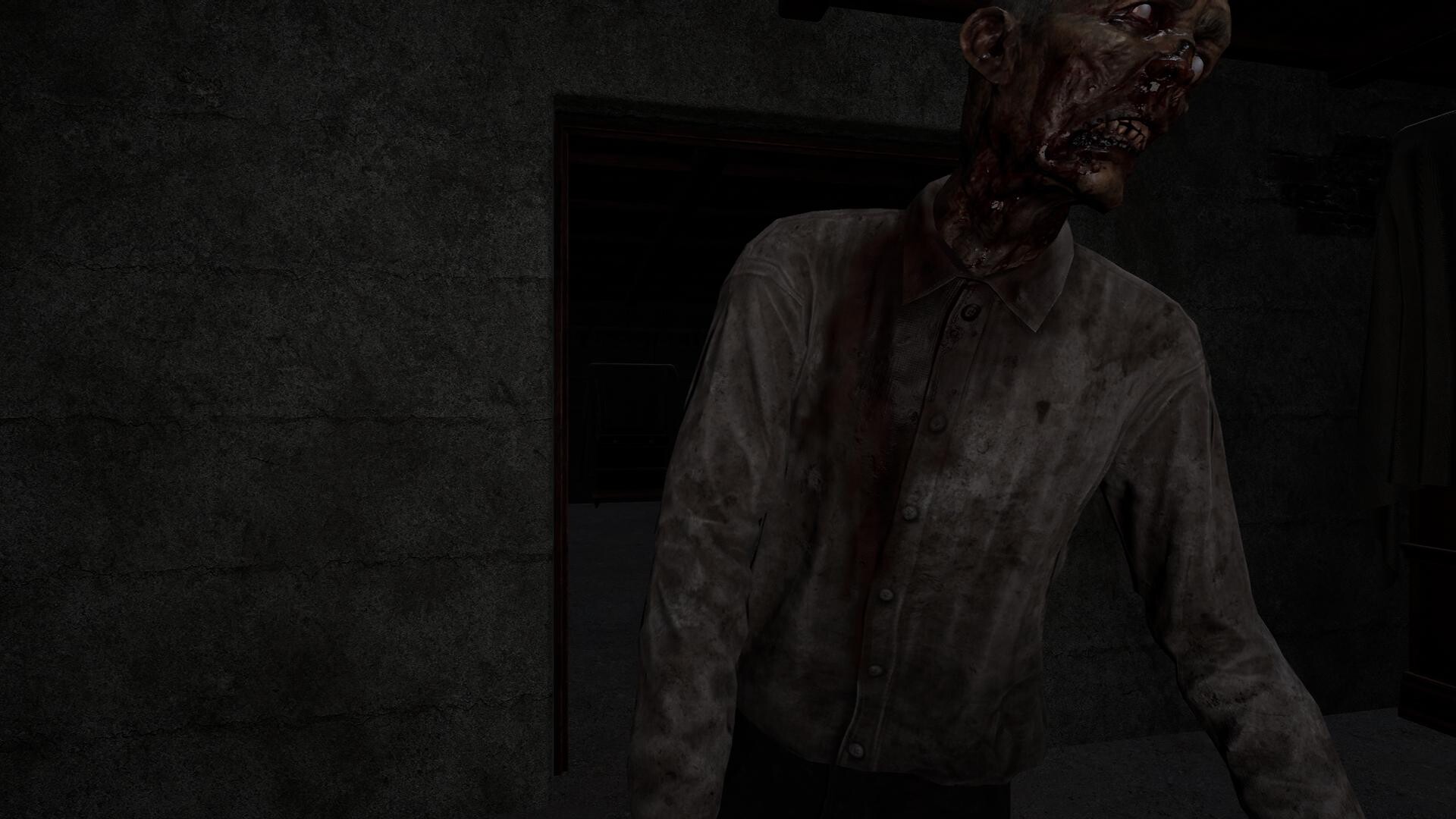
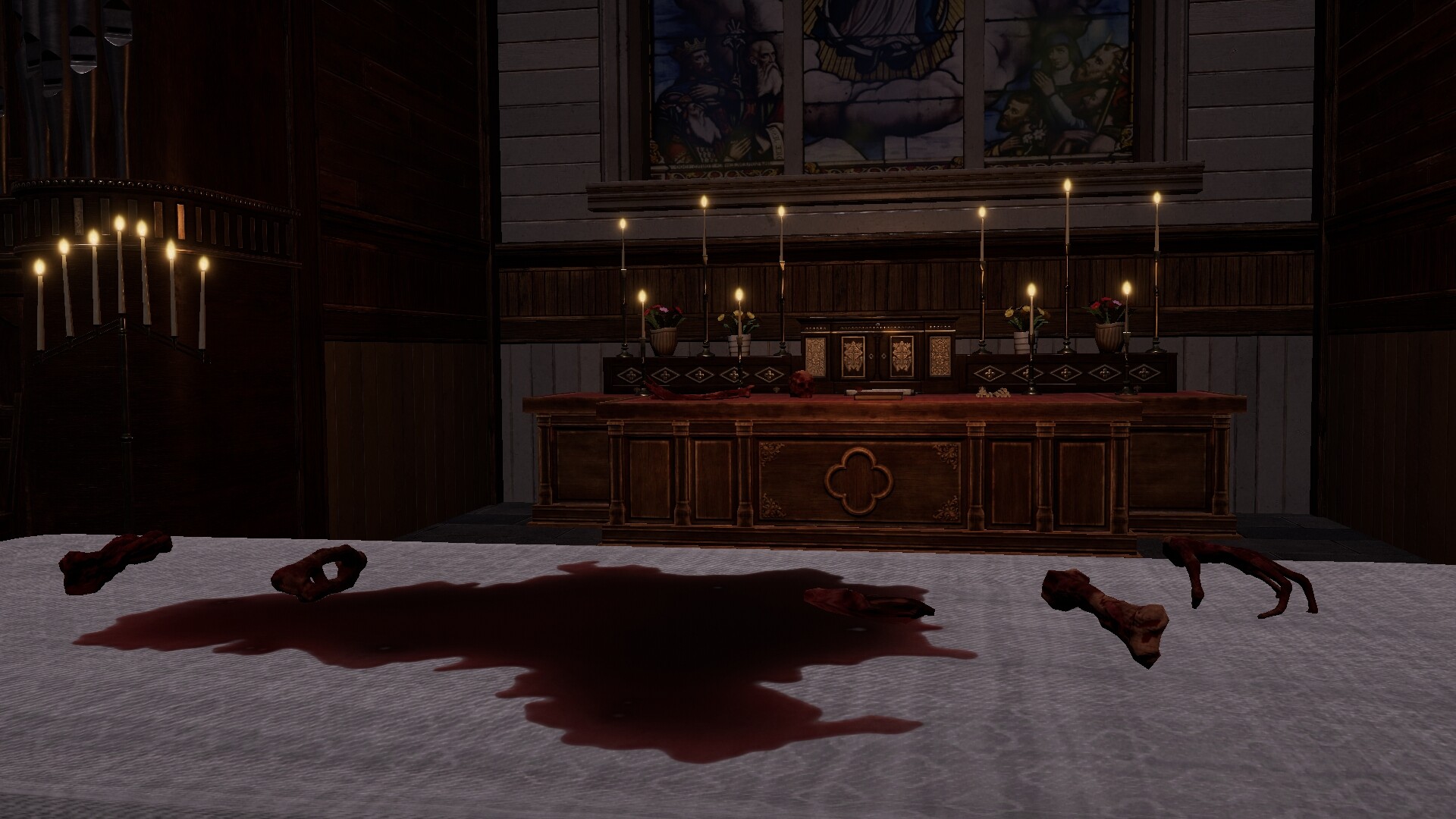
Compact facts — Trace of the Villa
| Title | Trace of the Villa |
|---|---|
| Steam appid | 3483660 |
| Release date | 28 May, 2026 |
| Developer / Publisher | Steadyturtle Co., Ltd. |
| Genres | Action, Adventure, Indie |
| Key categories | Single-player, Color Alternatives, Custom Volume Controls, Playable without Timed Input, Subtitle Options, Family Sharing |
| Premise | Jin searches a decaying mansion for leads on his missing sister; restoring power reveals secured systems, hidden compartments, and documents that suggest the mansion was part of a larger operation. |
Where locked-room thinking, clue chains, and environmental reading fit
Trace of the Villa centers locked-room thinking on systems and infrastructure. Rather than only forcing a logic puzzle to open a door, the mansion ties access to the estate’s utilities—restored power brings consoles to life, safes to electrical release states, and previously inert mechanisms begin to react. That design turns each power restoration into a revelation rather than just a key scatter.
Clue chains are the connective tissue: documents, manifests, transfer records and fragments of encrypted files feed into a progressive reconstruction of events. Environmental reading—observing furniture placement, personal effects, omissions like “no photographs, no names”—becomes as important as solving a mechanical puzzle. Players who enjoy building a case from marginalia and half-burned logs will find the pacing rewarding; it’s less about speed and more about the architecture of inference.
Player scenarios — who should wishlist this
- The methodical investigator: You catalogue paper trails and prefer puzzles that yield narrative consequences. Trace of the Villa’s evidence-reconstruction loop will fit your playstyle.
- The atmosphere-first explorer: You value mood, setting, and the tension of a place that looks “erased.” If you play for tone, subtle environmental storytelling will keep you engaged.
- The puzzle completionist who dislikes reflex checks: The Steam metadata lists “Playable without Timed Input,” making the title suitable if you prefer methodical, non-twitch puzzle design.
How it differs from nearby mystery and escape-room games
Below is a compact editorial comparison on lawful criteria—genre, atmosphere, puzzle focus, exploration style, story tone and pacing—so you can judge fit without hype.
| Title | Genre / Atmosphere | Puzzle focus | Exploration style | Story tone / Pacing | Who it’s closest to |
|---|---|---|---|---|---|
| Trace of the Villa | Action / Adventure; decaying mansion, investigative | Clue chains, evidence reconstruction, power-restoration mechanics | Environmental, systemic (reactivating estate systems) | Slow-burn investigative; narrative unspools as systems unlock | Players who like forensic, narrative puzzles and atmospheric exploration |
| The Room | Adventure; focused, tactile puzzle atmosphere | Mechanical puzzles with object-focused manipulation | Contained, single-room to small-area focus | Dense puzzle moments, intimate mystery | Players who enjoy tightly designed mechanical puzzles and tactile interaction |
| Escape Simulator | Adventure / Simulation; cooperative and interactive escape-room vibe | Highly interactive item use and environment manipulation | Varied rooms with sandbox interaction; community-made content | Puzzle-varied; often playful and hands-on | Players who like sandbox puzzle interaction and co-op or modded rooms |
| Hi‑Fi RUSH | Action; music-driven, kinetic | Puzzle-lite; rhythm and combat-focused systems | Linear action stages with emphasis on timing and flow | Fast, beat-synced pacing; high-energy | Players who prefer rhythm-action and fast pacing over investigative reading |
YouTube discovery
Looking for trailers or gameplay clips? Search YouTube for
Steam page
View Trace of the Villa on Steam
YouTube discovery
For trailer and gameplay discovery, use YouTube search rather than relying on unverified embeds: Find Trace of the Villa trailer and gameplay searches on YouTube.
Leave a Reply