
Trace of the Villa — a clue-first mansion mystery for slow-burn puzzle players
Steadyturtle Co., Ltd.’s Trace of the Villa (released 28 May, 2026) puts player attention on reading clues, object logic, and story puzzles rather than reflex-driven action. You play Jin, a man following fragmented leads through a decaying, isolated mansion where restored systems and hidden safes gradually reveal whether his missing sister might still be alive.

Who is this for?
- Players who prefer atmospheric mystery adventure and environmental storytelling over fast pacing or combat.
- Puzzle fans who enjoy reading documents, tracing financial/forensic threads, and unlocking secrets through logic rather than timed tests.
- Single-player PC players looking for a story-rich investigation anchored in subtle, clue-driven progression.
What the game is
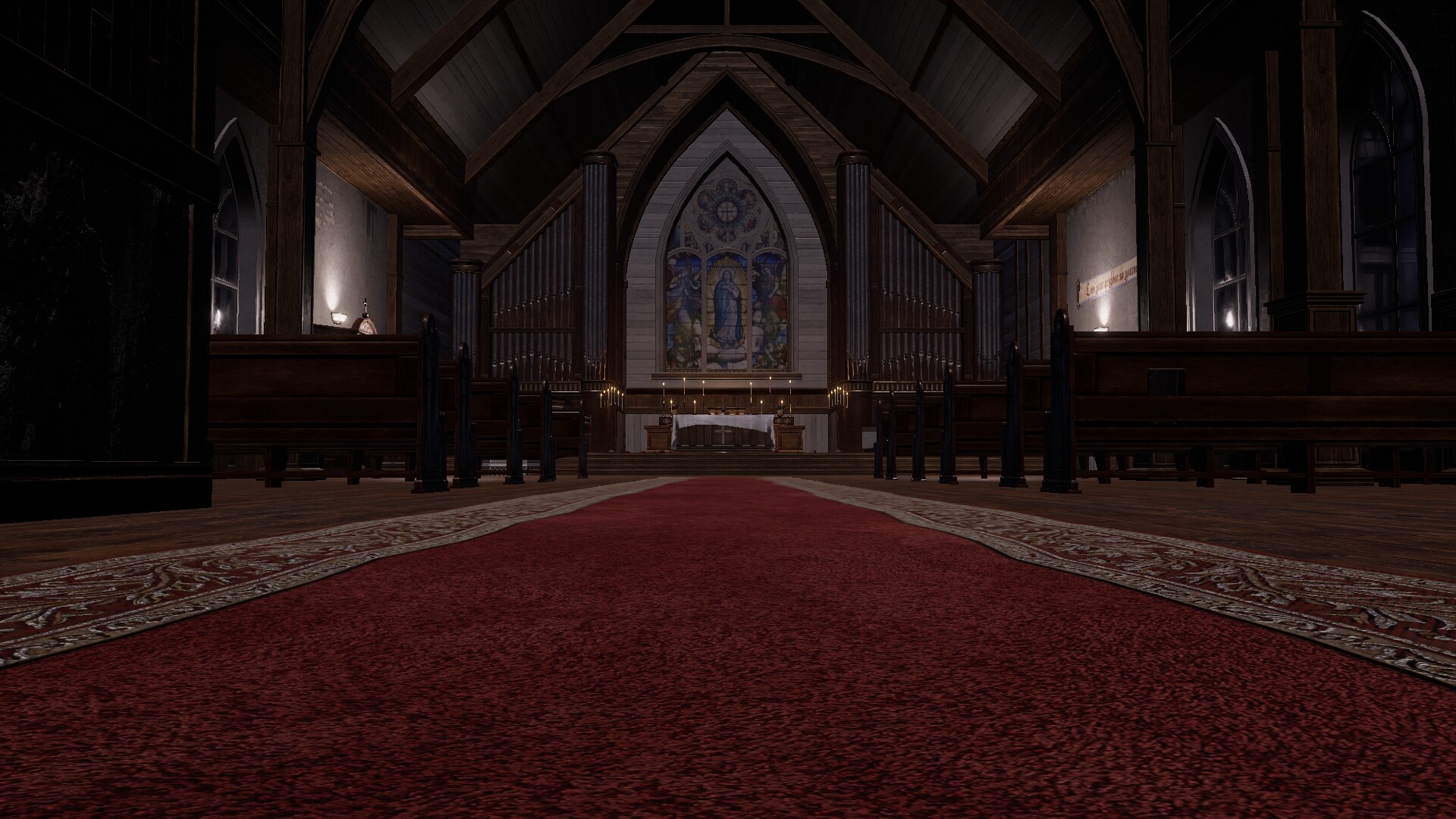
Trace of the Villa is a single-player, narrative puzzle-adventure from Steadyturtle Co., Ltd., listed on Steam under Action / Adventure / Indie. Its premise—taken from the official Steam description—centers on Jin, who follows a lead to a remote, decaying mansion and recovers manifests and hints that suggest his missing sister may still be alive. The mansion reacts to the player’s investigation: restoring power brings secured systems back online, hidden compartments reveal themselves, and safes yield fragments of encrypted documents and suspicious transfer records.
When and where
Trace of the Villa launched on 28 May, 2026 and is distributed on Steam by its developer/publisher, Steadyturtle Co., Ltd. The Steam page lists it under categories such as Single-player, Color Alternatives, Custom Volume Controls, Playable without Timed Input, Subtitle Options, and Family Sharing—signals that the game leans toward accessibility-friendly, untimed puzzle play on PC.
Why the theme matters
The game’s emotional engine—Jin’s search for his sister—frames puzzles as investigative work, not spectacle. That matters because narrative puzzles that reward careful reading can make discoveries feel earned: a recovered manifest, a forged transfer record, or the reactivation of a security system all reshape what you think happened in the house. If you want a psychological investigation told through objects and documents rather than action beats, Trace of the Villa is pitched squarely at that preference.
How you progress: reading clues, object logic, and story puzzles
Progression in Trace of the Villa is rooted in layered cluework. The official Steam text describes mechanics in narrative terms—restoring power, unlocking hidden compartments, decrypting document fragments, and following financial trails—so expect puzzles that link environmental interaction, inventory/object logic, and puzzle solutions back into the larger story. Rather than reflex tests, the challenge is interpretive: assembling timelines, matching evidentiary fragments, and using newly available systems to open the next lead.
Concrete player scenarios
- Scenario A — You like slow-burn mystery: You enjoy sitting with a room, reading scraps of text, and gradually turning the lights on to reveal new clues. You prefer solutions that come from connecting evidence rather than dexterity.
- Scenario B — You enjoy object-based puzzles: You want inventory and environmental manipulation where a logical use of found items or restored systems unlocks the next narrative beat.
- Scenario C — You want story-first tension: You’re interested in atmospheric settings and the sense of piecing together identities and timelines from bureaucratic traces and encrypted files.
- Scenario D — You dislike frequent action or timed inputs: The Steam categories include Playable without Timed Input and Subtitle Options—good signs if you avoid reflex challenges or need clearer text presentation.
Compact facts — Trace of the Villa
| Title | Trace of the Villa |
|---|---|
| Steam AppID | 3483660 |
| Release date | 28 May, 2026 |
| Developer | Steadyturtle Co., Ltd. |
| Publisher | Steadyturtle Co., Ltd. |
| Genres | Action, Adventure, Indie |
| Notable Steam categories | Single-player; Playable without Timed Input; Color Alternatives; Custom Volume Controls; Subtitle Options; Family Sharing |
| Images | Header • Screenshot |
How it compares (short editorial table)
| Title | Genre / Tone | Puzzle focus | Pacing | Player fit |
|---|---|---|---|---|
| The Room | Adventure — tactile, occult-tinged | Mechanical, object puzzles; tactile inspection | Measured, puzzle-by-puzzle | Players who like tactile, single-room mechanical puzzles |
| The Room Two | Adventure — expanded environments | Layered object puzzles with environmental context | Methodical; puzzle-focused | Players who enjoy escalating mechanical mysteries across locales |
| Unpacking | Casual / Indie — contemplative, slice-of-life | Spatial and narrative through object placement | Relaxed, zen-like | Those who prefer domestic storytelling and gentle discovery |
| Escape Simulator | Adventure / Simulation — interactive escape rooms | Highly interactive, physics/interaction heavy puzzles | Varies; often faster-paced than story-adventure | Players who want interactive room puzzles and co-op options |
| Trace of the Villa | Adventure / Indie — mansion mystery, investigative tone | Document reading, object logic, systems restoration and story puzzles | Slow-burn, investigative | Players who want narrative-driven clue work and environmental forensics |
Steam page
View Trace of the Villa on Steam
YouTube discovery
For trailer and gameplay discovery, use YouTube search rather than relying on unverified embeds: Find Trace of the Villa trailer and gameplay searches on YouTube.
Leave a Reply