
Trace of the Villa and the Power of Quiet Dread: Why Uncertainty Beats Jump Scares
Trace of the Villa is a slow-burn mystery set inside a deliberately forgotten, decaying mansion where protagonist Jin searches for his missing sister. Released on 28 May, 2026 by Steadyturtle Co., Ltd., the game leans on environmental storytelling, puzzle-led investigation, and the unsettling sensation of a place that feels erased rather than simply abandoned.

Who, What, When, Where, Why, How
Who it’s for
For players who prefer psychological investigation over reflex-based fright: people who like atmospheric mystery adventure, careful clue-reading, and steady tension rather than frequent jumps. If you enjoy story-rich adventure and slow-burn suspense—especially in a mansion mystery setting—Trace of the Villa is aimed at you.
What the game is
Trace of the Villa is an Action/Adventure/Indie title on Steam in which Jin follows a lead to a remote mansion and recovers manifests and hints suggesting his sister may still be alive. The mansion’s silence, furnished rooms, locked doors and falsified records create an investigative core: restoring power, unlocking systems, and piecing together encrypted documents and suspicious transfer records drives progress rather than constant combat or shock theatrics.
When and where
Trace of the Villa launched on Steam on 28 May, 2026. It’s published and developed by Steadyturtle Co., Ltd. The Steam product page includes the usual PC storefront metadata—genres listed as Action, Adventure, Indie—and categories such as Single-player, Color Alternatives, Custom Volume Controls, Playable without Timed Input, Subtitle Options, and Family Sharing.
Why the theme matters
Psychological horror built around emptiness exploits a very specific human response: uncertainty produces sustained arousal and attention. An empty, well-preserved room invites questions—who left in the middle of their routine? Why were names and photographs removed? Those questions keep a player invested longer than a routine scare because each discovery reframes everything that came before. Trace of the Villa uses this tactic—furniture left mid-routine, locked doors, encrypted fragments—to replace predictable shocks with accumulating dread.
How you progress
Progress is clue-driven and investigative. The official Steam description explains that Jin restores power and reactivates secured systems; hidden compartments and safes reveal encrypted documents and transfer records. That phrasing implies a gameplay loop focused on environmental puzzles, restoring systems, and following financial or identity-based leads to reconstruct a timeline—procedures that reward observation, patience, and deduction rather than twitch reactions.
What the Steam page shows
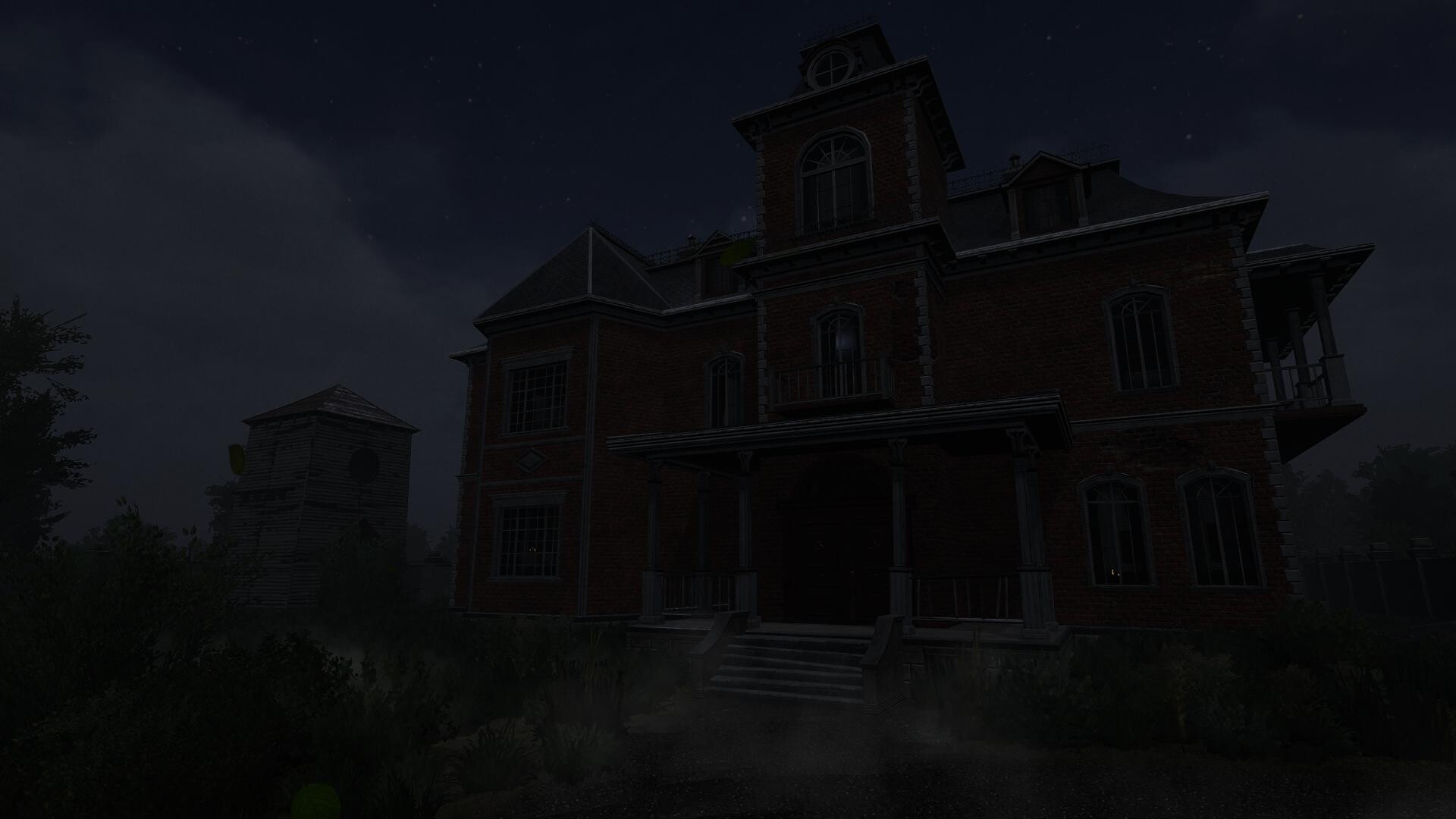
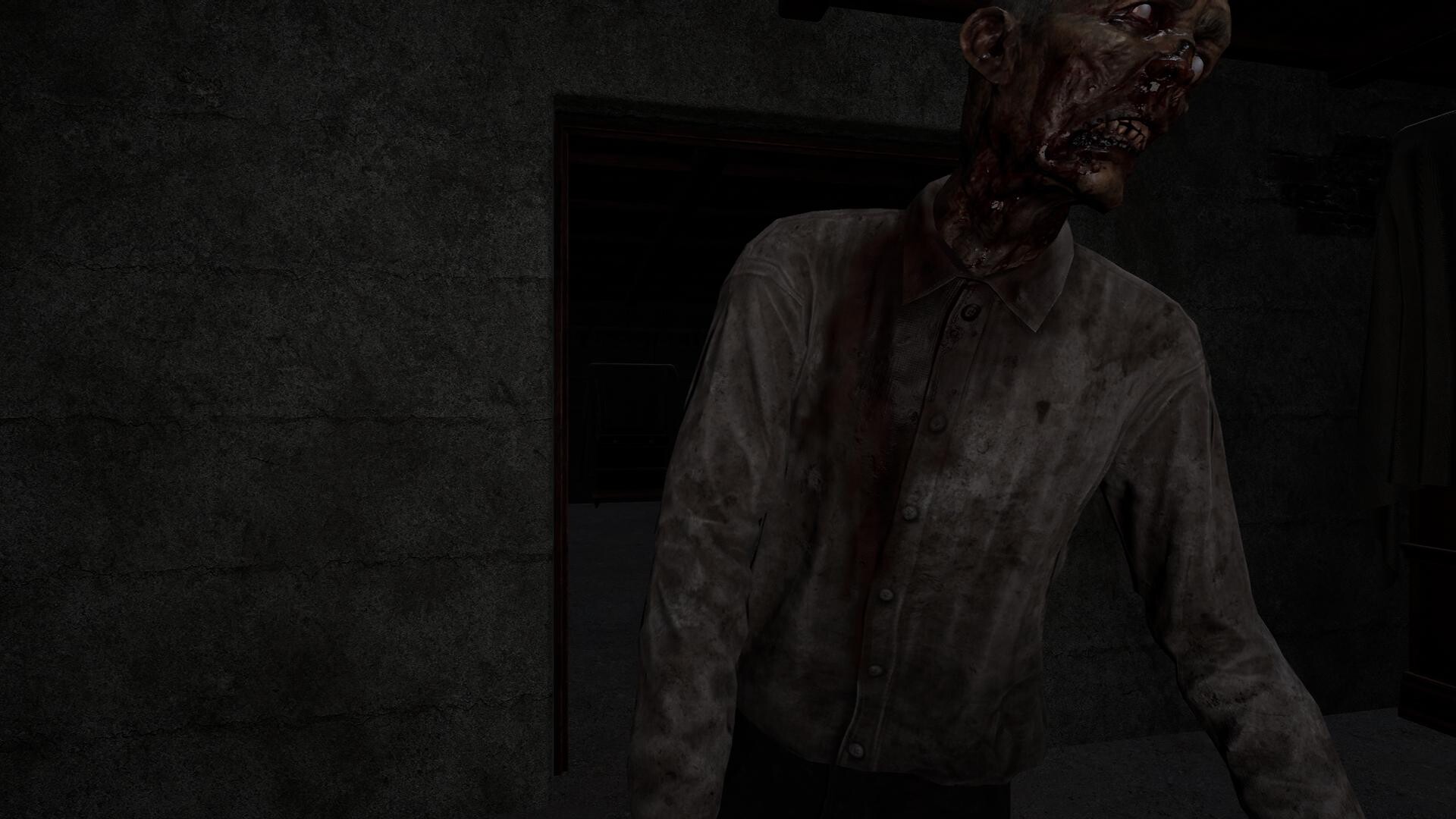
The Steam listing supplies the narrative premise and visual cues: header art and multiple screenshots that emphasize dim corridors, lived-in-but-erased rooms, and interface elements for investigation. There are no user reviews on Steam yet (No user reviews as of the listing data), so early impressions will be shaped by screenshots, the description, and firsthand play.
Quick facts
| Title | Trace of the Villa |
|---|---|
| Release date | 28 May, 2026 |
| Developer / Publisher | Steadyturtle Co., Ltd. |
| Genres | Action, Adventure, Indie |
| Steam categories | Single-player; Color Alternatives; Custom Volume Controls; Playable without Timed Input; Subtitle Options; Family Sharing |
| Steam app | 3483660 |
How it compares — measured, not sensational
For readers deciding whether to wishlist or buy, here’s a concise editorial comparison that maps Trace of the Villa against a handful of well-known psychological/mansion mystery and atmosphere-first titles. This is a tonal and systems-focused comparison, not a ranking.
| Title | Atmosphere | Puzzle / Investigation | Exploration style | Pacing / Tone |
|---|---|---|---|---|
| Trace of the Villa | Decaying mansion, muted dread, slowly revealing systems | Clue-driven: restore power, unlock systems, decrypt documents (as described on Steam) | Focused indoor exploration, room-by-room reconstruction of events | Slow-burn suspense; investigative and methodical |
| Amnesia: The Dark Descent (2010) | Claustrophobic, immersion-heavy, constant vulnerability | Environmental puzzles supporting survival mechanics | First-person manor and castle exploration with emphasis on hiding and evasion | Tense and relentless; sustained terror and helplessness |
| SOMA (2015) | Cold, existential, sci-fi dread | Exploration and puzzle elements tied to narrative revelations | Large facility exploration; narrative beats driven by encounters and audio logs | Philosophical and contemplative, horror mixed with sci-fi mystery |
| Layers of Fear (2016) | Unstable Victorian mansion, psychological distortion | Environmental and mind-bending puzzles that change the space | Nonlinear, surreal room transformations; heavy on story and atmosphere | Psychological, hall-of-mirrors tone; dreamlike and disorienting |
| Poppy Playtime (2021) | Playful-then-threatening toy-factory aesthetic | Puzzle tools (e.g., GrabPack) and set-piece encounters | Structured, set-piece exploration of a facility | Mix of puzzle platforming and jump-based frights |
Player scenarios — who should wishlist this
- Investigation-first players: You enjoy reconstructing timelines from objects and documents, and you don’t need constant action to stay engaged.
- Mansion atmosphere fans: You appreciate interiors that feel lived-in and whose details steadily reshape the story.
- Puzzle-adjacent explorers: You like environmental puzzles tied to systems (restoring power, unlocking safes) rather than combat or reflex challenges.
- Slow-burn seekers: You prefer dread that accrues over an hour-to-hour play rather than frequent, high-adrenaline scares.
How to judge fit before buying
Read the official Steam description and look closely at the screenshots provided on the store page: they emphasize the mansion’s preserved rooms, locked compartments, and subdued lighting—visuals that indicate a game built around discovery, not spectacle. The categories list (Single-player; Playable without Timed Input; Subtitle Options) suggests accessibility for players who want a measured pacing experience.
YouTube discovery
If you want trailers or gameplay impressions, search YouTube for Trace of the Villa using this query: Trace of the Villa trailer / gameplay. The search link is provided as a discovery path; the Steam data does not verify a specific official video in this article.
Final notes and CTA
Trace of the Villa positions itself as a psychological investigation inside a mansion whose very identity seems scrubbed. If your idea of horror is patient, cumulative dread and clue-led exploration, add it to your wishlist and decide after a few early hours. If you prefer constant action or jump-scare pacing, this title may not match your preferences.
View Trace of the Villa on Steam
Disclaimer: Referenced titles and trademarks belong to their respective owners. Comparisons above are editorial discovery only and not endorsements.
Leave a Reply