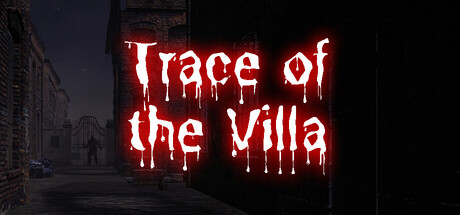
Trace of the Villa: why environmental dread and silence matter more than jump scares
Steadyturtle’s Trace of the Villa (released 28 May, 2026) centers on Jin, a man chasing the last threads of his missing sister’s life into a remote, decaying mansion. The game leans on empty rooms, withheld identities, and systems that only reveal themselves when you coax power and evidence back to life — a design built to sustain tension through silence and unsettling room composition rather than constant shocks.

Who this is for
If you prefer slow-burn suspense over constant jump scares, Trace of the Villa is aimed at players who value atmospheric mystery adventure and environmental storytelling. Players who enjoy piecing narrative puzzles together from physical clues — manifests, locked compartments, encrypted documents — and those who respond to uncanny room design (furnished spaces that feel “erased” rather than merely abandoned) will find its pacing and tone appealing. The Steam page lists it under Action, Adventure, Indie and highlights single-player, subtitle options, and accessibility-friendly features like custom volume controls and playable without timed input.
What the game is
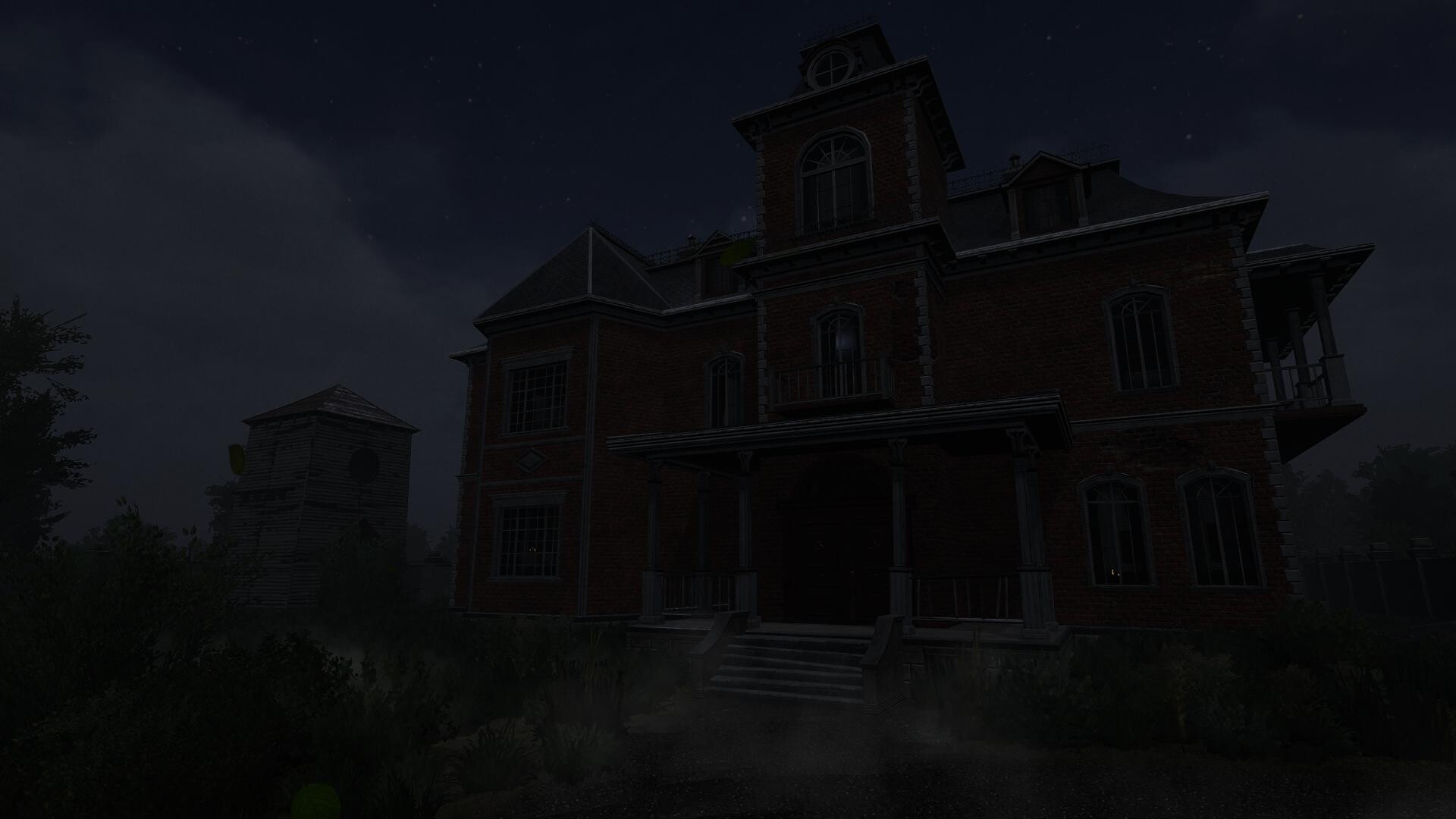
Trace of the Villa casts you as Jin, who follows leads to a property “cut off from the grid and deliberately forgotten.” The mansion’s interiors are curated to unsettle: rooms arranged as if occupants disappeared mid-routine, personal effects left without names or photographs, and locked doors that hide layers of a larger, concealed operation. Restoring power is a gameplay fulcrum — turning systems back on reveals hidden compartments, safes and fragments of financial and identity records. That combination of exploration, puzzle-solving and narrative investigation positions the game as a story-rich adventure with an investigative spine.
When and where
Trace of the Villa released on Steam on 28 May, 2026. It’s published and developed by Steadyturtle Co., Ltd.; you can view the store page and wishlist it directly on Steam.
Why quiet tension and room design matter
Environmental dread is not just aesthetic window-dressing — it’s the game’s mechanism for maintaining player attention and emotional investment. The Steam description emphasizes erased identities (no photographs, no names) and the sensation that “something happened here that was never meant to be discovered.” That absence creates an investigative itch: players must supply emotional context as they reconstruct timelines from material evidence. Silence and carefully staged interiors let small details — a tilted chair, a displaced drawer, a faded ledger — carry narrative weight in ways loud audio cues cannot. When systems are restored and secret compartments unlock, the payoff feels earned because the game stretches the interval of uncertainty rather than replacing it with repeated shocks.
How you progress
Progression is clue-driven. Jin recovers manifests and hints in the mansion; supplying power to the estate enables locked systems and reveals new puzzles. The description specifically mentions safes, encrypted documents, and suspicious transfer records uncovered as you restore systems and solve puzzles. Players will move from piecing together fragmented paperwork to following financial trails and timelines — each unlocked puzzle adds narrative context that reframes earlier scenes. This is a classic environmental storytelling loop: observe, interpret, act, and then have the environment respond by exposing deeper layers.

Compact facts — Trace of the Villa
| Title | Steam AppID | Release Date | Developer / Publisher |
|---|---|---|---|
| Trace of the Villa | 3483660 | 28 May, 2026 | Steadyturtle Co., Ltd. / Steadyturtle Co., Ltd. |
| Genres | Key Categories | Official short premise |
|---|---|---|
| Action, Adventure, Indie | Single-player, Color Alternatives, Custom Volume Controls, Playable without Timed Input, Subtitle Options, Family Sharing | Jin searches a remote, decaying mansion for clues that his missing sister may still be alive. |
How it compares — editorial discovery
Players often weigh Trace of the Villa against other narrative horror and mystery titles. Below is a lawful editorial comparison focusing on genre, atmosphere, puzzle focus, exploration style, story tone and pacing. This is intended to help you decide which experience matches your tastes.
| Title | Genre / Setting | Atmosphere | Puzzle focus | Exploration style | Story tone / Pacing |
|---|---|---|---|---|---|
| Trace of the Villa | Action / Adventure / Indie — decaying mansion investigation | Environmental dread, silence, unsettling room design | Clue-driven: manifests, encrypted documents, safes, restoring systems | Room-by-room investigation with systems that unlock new areas | Slow-burn, investigative; personal stakes (missing sister) |
| Amnesia: The Dark Descent | Action / Adventure / Indie — first-person survival horror | Immersive, oppressive; designed to chill | Atmospheric puzzles and survival elements tied to sanity | First-person exploration with emphasis on hiding and evasion | Intense immersion and dread; persistent tension |
| SOMA | Action / Adventure / Indie — sci-fi horror beneath the ocean | Claustrophobic, existential dread | Puzzle and narrative-driven with technological themes | Structured exploration through facility spaces and corridors | Philosophical, pacing that supports story beats and revelations |
| Layers of Fear (2016) | Adventure / Indie — Victorian mansion, psychological horror | Shifting, surreal atmosphere focused on artistic obsession | Puzzles integrated with changing environment and story | Unstable mansion layout that reinforces narrative |
Leave a Reply