
Trace of the Villa: why quiet dread and uncertainty matter more than loud shocks
Trace of the Villa (Steadyturtle Co., Ltd., released 28 May, 2026) trades cheap jump scares for a slow-burning investigation inside a decaying, cut-off mansion. That atmosphere—rooms furnished as if occupants vanished mid-routine and systems that only reveal their secrets when restored—makes uncertainty itself the primary antagonist.

Who: the player this game is written for
If you enjoy atmospheric mystery adventure and psychological investigation over reflex-based terror, Trace of the Villa is aimed at you. It suits players who prefer clue-driven exploration, environmental storytelling, and narrative puzzle design: people who will sit with a scene, study what’s missing as much as what remains, and let ambiguity do the heavy lifting.
What: what Trace of the Villa actually is
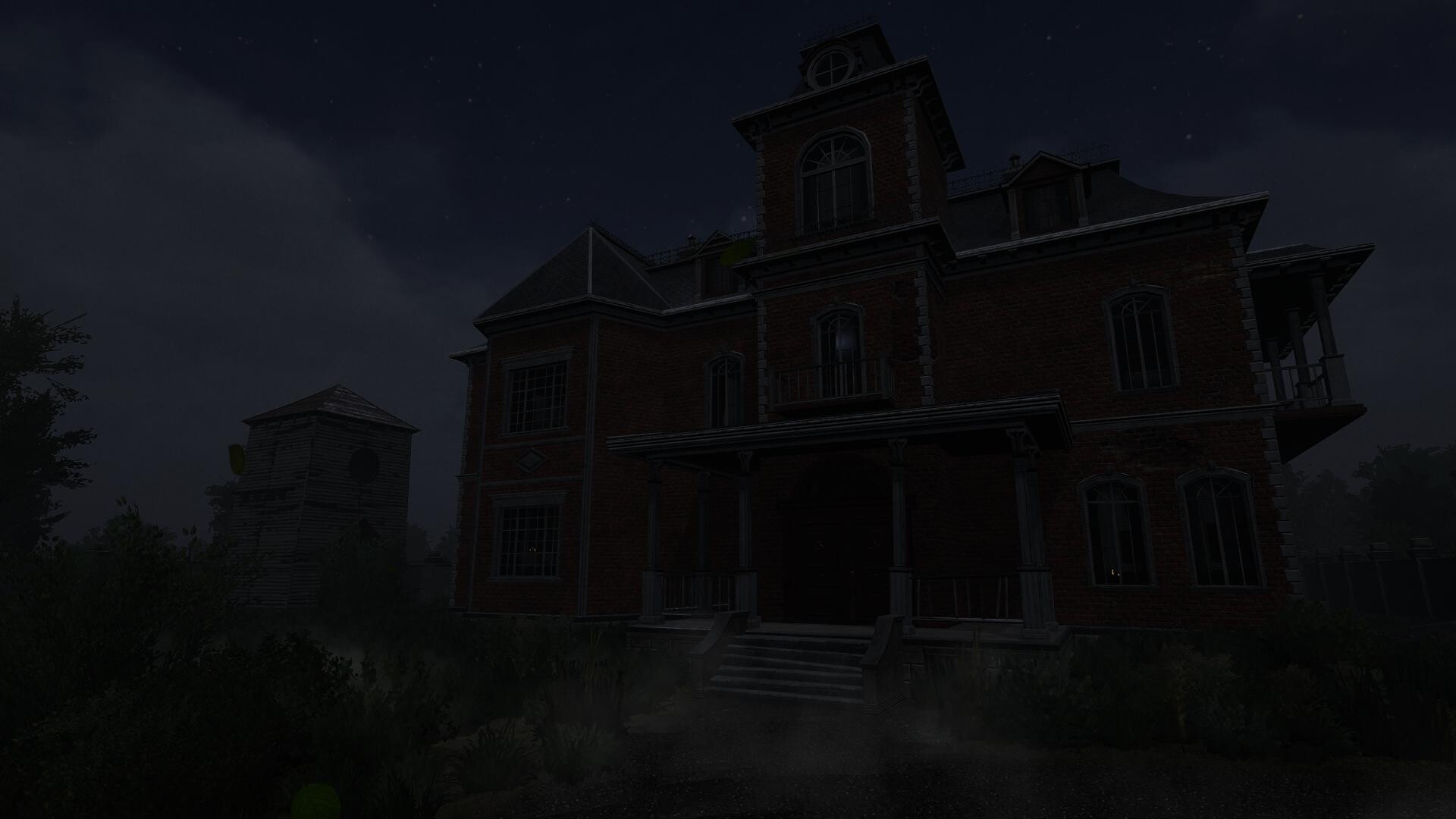
Trace of the Villa is a single-player, story-rich adventure from developer/publisher Steadyturtle Co., Ltd., presented as an atmospheric mansion mystery. The official premise places Jin as a protagonist who has spent years searching for his missing sister; a lead brings him to a remote, decaying mansion where manifests and hints suggest she may still be alive. The house feels “less abandoned than erased”—furnished rooms, locked doors, and personal belongings without names or photographs set the tone.
When / Where: release and Steam context
Trace of the Villa launched on Steam on 28 May, 2026. It’s listed as an Action / Adventure / Indie title and includes Steam categories such as Single-player, Subtitle Options, Custom Volume Controls, and Family Sharing—details that matter if you need accessibility options or plan to play locally on PC.
Why the theme matters: dread as a mechanic
Many horror games rely on predictable mechanical shocks. Trace of the Villa instead positions uncertainty—missing records, falsified identities, and sealed systems—as the engine of tension. When Jin restores power and the mansion “begins to reveal what it was hiding” (secured systems coming online, hidden compartments unlocking, safes yielding fragments), the player’s reward is not immediate adrenaline but a slow accumulation of implication. That pacing makes each discovered document or discrepancy feel significant: the anxiety comes from not knowing what the next revealed fragment will rearrange in your mental model of the house.

How you play: reading clues and progressing
Progress in Trace of the Villa is driven by investigation. You piece together manifests, encrypted documents, and suspicious transfer records; restoring estate systems is a gameplay beat that unlocks further layers of the mansion’s operations. Expect exploration to be paced around puzzles and discoveries that clarify—or complicate—the timeline of arrivals and departures. The design emphasis is on interpretive work: assembling evidence, following financial or identity clues, and interpreting the meaning of things deliberately left out.
Specific player scenarios — should you wishlist it?
- Wishlist if you like slow-burn suspense and detective-style progression rather than combat or quick-time set pieces.
- Wishlist if you appreciate environmental storytelling where absence (no photographs, no names) is as important as presence.
- Pass if you want constant action, explicit answers on a tight timetable, or gameplay built around reflex-driven scares.
- Consider if accessibility options like subtitles and custom volume controls matter to your experience—those are listed among the Steam categories.
Quick facts
| Title | Trace of the Villa |
|---|---|
| Steam AppID | 3483660 |
| Release date | 28 May, 2026 |
| Developer / Publisher | Steadyturtle Co., Ltd. |
| Genres | Action, Adventure, Indie |
| Key Steam categories | Single-player, Subtitle Options, Custom Volume Controls, Family Sharing, Playable without Timed Input |
| Protagonist / Premise | Jin — searching for his missing sister; investigates a remote, decaying mansion where signs hint she may still be alive. |
How it compares (editorial discovery)
Below is a focused comparison on tone, pacing, and investigative emphasis—helpful if you’re choosing between atmospheric mystery and louder, action-leaning horror on PC.
| Game | Genre | Atmosphere / Pacing | Puzzle & Exploration Focus | Tone |
|---|---|---|---|---|
| Trace of the Villa | Action / Adventure / Indie | Slow-burn, mansion mystery; ambiguity-driven tension | Clue-driven investigation; restoring systems uncovers story | Psychological dread, procedural erasure of identity |
| Amnesia: The Dark Descent (2010) | Action / Adventure / Indie | Immersive and claustrophobic; steady dread with survival elements | Environmental puzzles and survival mechanics; high immersion | Raw existential horror and helplessness |
| SOMA (2015) | Action / Adventure / Indie | Slow, contemplative; science-fiction isolation | Exploration and narrative puzzles; emphasis on philosophical questions | Existential, unsettling curiosity |
| Layers of Fear (2016) | Adventure / Indie | Unnerving, shifting mansion spaces; psychological instability | Story-led environmental puzzles and changing level geometry | Madness and obsession |
| Poppy Playtime (2021) | Action / Adventure / Indie | Tense and playful but faster-paced; set-piece encounters | Puzzle tools (GrabPack) used for traversal and encounters | Toy-factory creepiness with direct threats |
YouTube discovery
If you want to see trailers or gameplay clips, search YouTube for Trace of the Villa using this discovery path (useful for trailers and player videos): YouTube search: Trace of the Villa trailer & gameplay. This link is a search route—do not assume every result is an official video.
View Trace of the Villa on Steam
Referenced titles and trademarks belong to their respective owners; the comparisons above are editorial discovery and not endorsements or official associations.
Leave a Reply