
Trace of the Villa: puzzles as evidence and the logic that sells a story
An atmospheric mystery adventure built around reading clues, assembling objects, and letting narrative puzzles do the heavy lifting. Trace of the Villa (Steadyturtle Co., Ltd.) places Jin in a decaying mansion where each solved lock and restored circuit serves as forensic evidence toward a personal disappearance.

Quick facts
| Title | Trace of the Villa |
|---|---|
| Developer / Publisher | Steadyturtle Co., Ltd. |
| Release date | 28 May, 2026 |
| Genres | Action, Adventure, Indie |
| Categories | Single-player; Color Alternatives; Custom Volume Controls; Playable without Timed Input; Subtitle Options; Family Sharing |
| Steam page | Trace of the Villa on Steam |
Who is this for?
This is for players who treat puzzles like clues in a cold case: people who enjoy inferring story from objects and documents, who prefer environmental storytelling that rewards careful reading over combat spectacle. If you like slow-burn suspense in a mansion setting and want puzzles that carry narrative weight, Trace of the Villa targets that niche.
What the game is
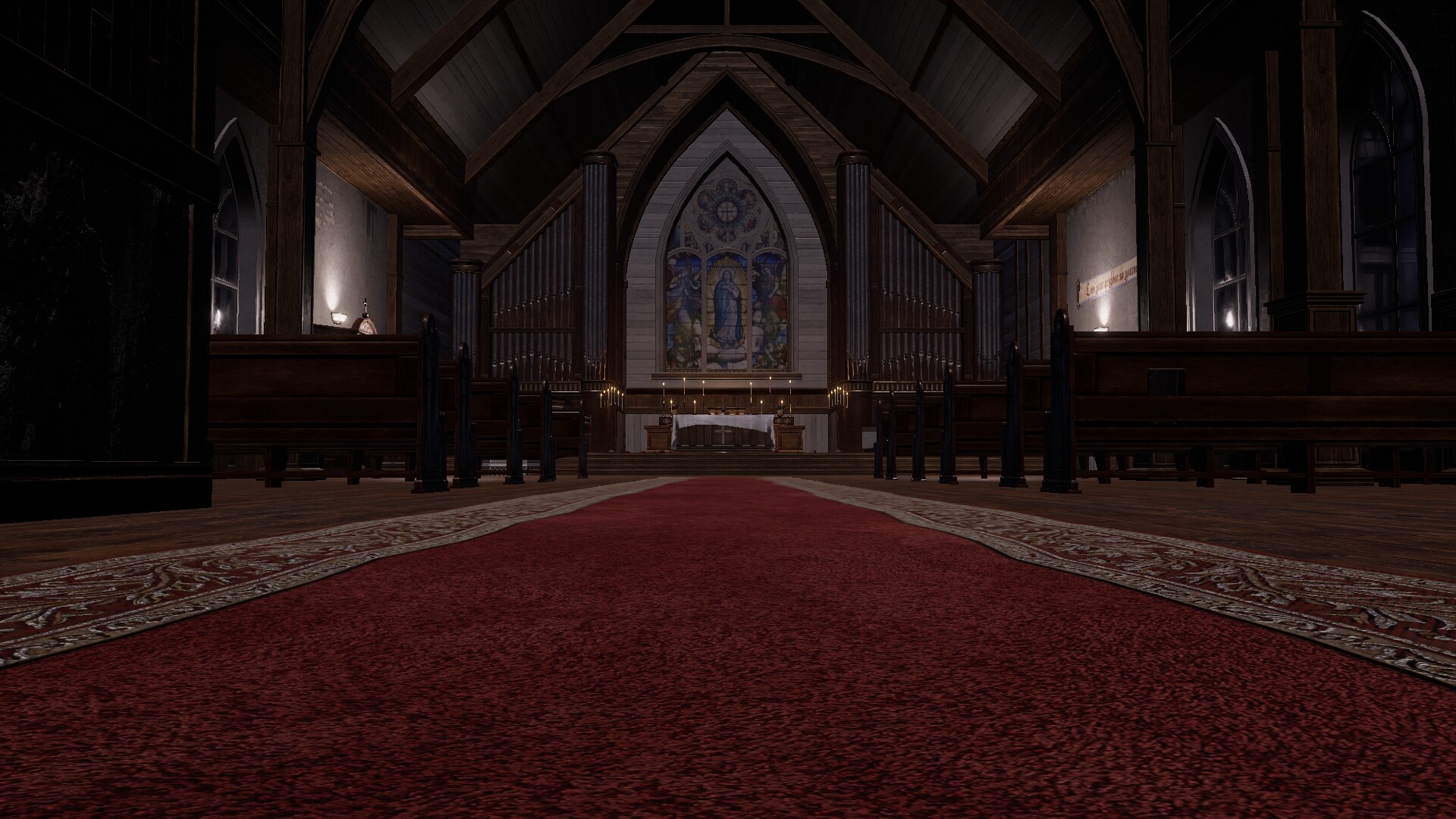
According to the official description, you play Jin, who has spent years searching for his missing sister and follows a lead to a remote, decaying mansion. The house behaves less like an abandoned residence and more like an erased archive — furnished rooms frozen mid-routine, locked doors, hidden compartments, safes and encrypted documents. Restoring power and solving puzzles progressively reveals fragments of a larger, carefully concealed operation: financial records, falsified identities, and other traces that together form the case around what happened.
When and where
Trace of the Villa launched on Steam on 28 May, 2026. It is listed on Steam as a single-player PC title with accessibility options including subtitle controls, color alternatives, and custom volume controls.
Why the theme matters: puzzles as evidentiary storytelling
What sets a clue-driven mystery apart from a string of isolated brainteasers is how each solved puzzle functions as evidence. In Trace of the Villa, puzzles don’t just open doors — they produce data points for your mental timeline. Encrypted files, safes and restored systems slowly populate the player’s hypothesis about who used the mansion and why. That approach makes the act of solving feel like investigative work: you’re not just unlocking mechanical systems, you’re assembling a case.
How you read clues and progress
The official text emphasizes restored power, secured systems coming back online, hidden compartments and safes yielding fragments of encrypted documents and suspicious transfer records. Practically, expect a mix of object-based logic (use items to access new areas), environmental inference (details in rooms indicate prior occupants and patterns), and document-based puzzles (decrypting or correlating records to form the timeline). Progression is narrative-driven: each solution reveals new context that re-frames previous clues and points to the next lead.
Player scenarios — who should wishlist it
- The forensic reader: You enjoy parsing notes, manifests and ledgers. The game’s decrypted fragments and transfer records will appeal because information recovery drives the narrative.
- The environmental detective: You prefer piecing together story from room dressing and object placement rather than cinematic cutscenes. Trace of the Villa emphasizes rooms that feel lived-in yet erased.
- The patient puzzler: You like slow-burn suspense and prefer thinking your way through a mystery without timed pressure—helpful, since the title lists “Playable without Timed Input.”
- The accessibility-minded player: If custom volume controls, subtitle options, and color alternatives matter to you, those are included on the Steam page.
How it differs from nearby puzzle/adventure games
Below is a compact editorial comparison that focuses on puzzle focus, atmosphere and pacing to help you decide fit and preference.
| Title | Primary puzzle focus | Atmosphere / story tone | Exploration style | Pacing / Who it suits |
|---|---|---|---|---|
| Trace of the Villa | Document-based decryption, object logic, power-restoration puzzles | Mansion mystery, personal disappearance, slow-burn suspense | Room-to-room inference; environment reveals narrative fragments | Players who like investigative, clue-driven storytelling |
| The Room / The Room Two | Mechanical, tactile puzzle boxes and devices | Mysterious, tactile, occasionally supernatural | Focused single-location puzzle spaces with rich fidelity | Players who enjoy handcrafted mechanical puzzles and tactile solutions |
| Escape Simulator | Highly interactive object puzzles; community-made rooms | Varies widely; often playful or cooperative | Room-based, physics-rich; emphasis on interaction | Players who want tactile interaction and social/creative puzzles |
| Unpacking | Domestic object placement and contextual inference | Quiet, reflective, character-driven | Slow, scene-by-scene discovery through objects | Players who enjoy mood, life-story inference and zen puzzles |
| hack_me | Simulation of hacking tools and command-line tasks | Technical, simulation-focused rather than environmental | Interface- and tool-drivenYouTube discoveryFor trailer and gameplay discovery, use YouTube search rather than relying on unverified embeds: Find Trace of the Villa trailer and gameplay searches on YouTube. CommentsMore posts |
Leave a Reply