
Trace of the Villa — why quiet tension and erased identities matter more than jump scares
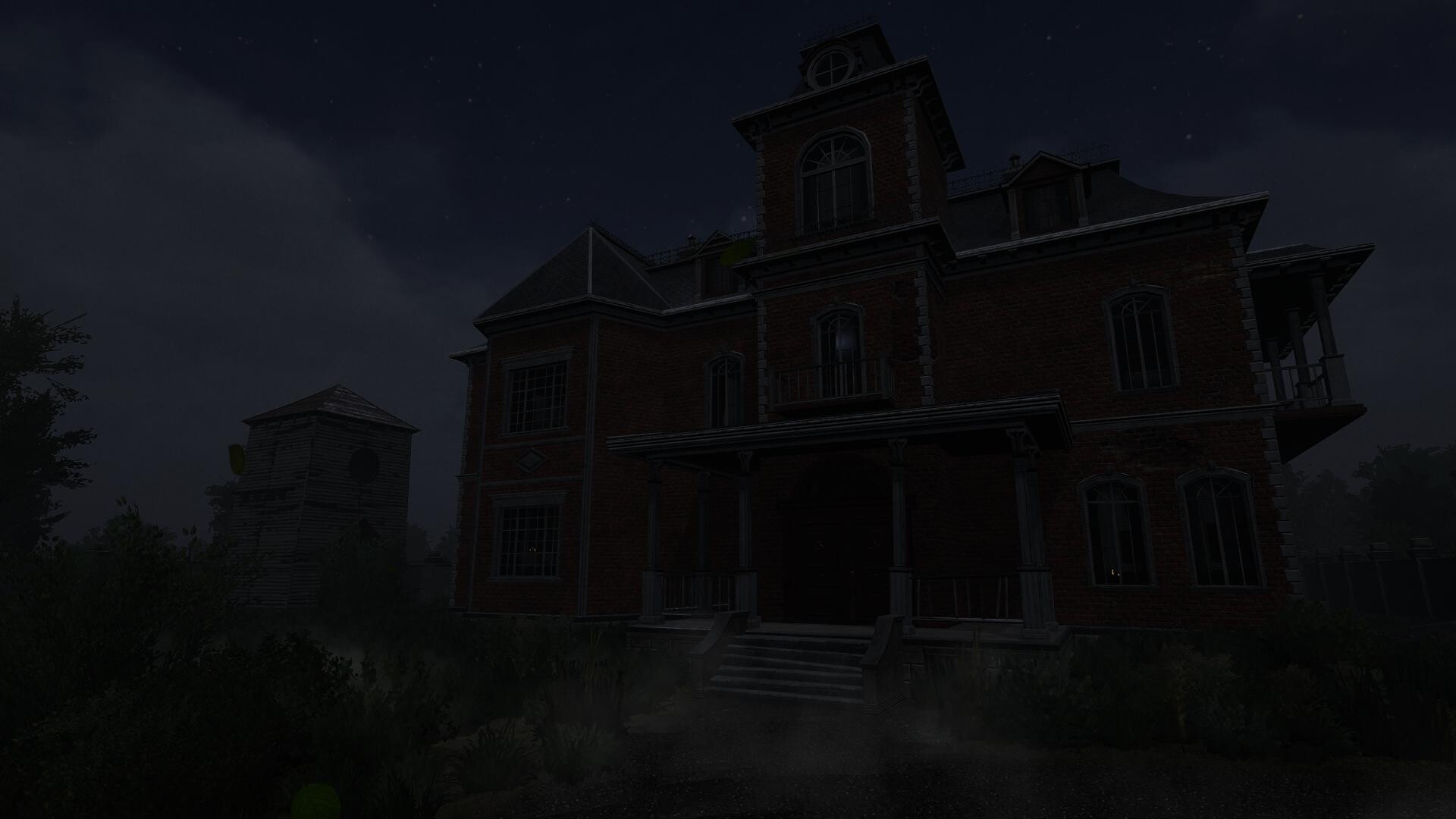
Trace of the Villa is a slow-burn, story-rich adventure about Jin’s search for a missing sister inside a remote, decaying mansion; it opened on Steam on 28 May, 2026 from Steadyturtle Co., Ltd. The game leans on environmental storytelling, erased personal histories, and methodical clue-driven exploration rather than loud shocks, and that restraint is the point.

Quick facts
| Title | Trace of the Villa |
|---|---|
| Release date | 28 May, 2026 |
| Developer / Publisher | Steadyturtle Co., Ltd. |
| Genres | Action · Adventure · Indie |
| Key Steam categories | Single-player, Color Alternatives, Custom Volume Controls, Playable without Timed Input, Subtitle Options, Family Sharing |
| Steam app | Trace of the Villa on Steam |
Who is this for?
If you prefer atmospheric mystery adventure and psychological investigation over reflex-based horror, Trace of the Villa is pitched at you. Players who enjoy environmental storytelling, methodical puzzle-solving, and narratives that reveal themselves through restored systems, encrypted fragments, and neglected domestic detail will find the game’s rhythm satisfying. If you like slow-burn suspense and mansion mystery that trades jumps for pervasive unease, add it to your wishlist.
What the game is
Officially: Jin has spent years searching for his missing sister. Leads bring him to a remote, deliberately forgotten mansion where rooms look furnished but identities are scrubbed — no photos, no names, personal belongings present but histories erased. When Jin restores power and systems come back online, the house reveals hidden compartments, safes, encrypted documents, and suspicious transfer records. The investigation threads together falsified identities and arrivals or departures that leave no official trace, suggesting the estate was part of something larger and controlled.
When and where
Trace of the Villa released on Steam on 28 May, 2026. It is presented for PC audiences on Steam as an indie Action / Adventure title with single-player support and accessibility options such as subtitle options, custom volume controls, and color alternatives.
Why the quiet tension matters
Psychological horror built around uncertainty operates differently from shock-driven fare. Here, the game’s unease comes from absence: rooms staged mid-routine but stripped of identifiers, records that stop or never existed, and financial trails that lead nowhere. That erasure turns everyday objects into evidence and makes every piece of domestic detail feel like a clue. The emotional pressure accumulates: not with sudden frights, but with a progressive, oppressive realization that people have been deliberately disconnected from their histories. That kind of dread asks players to think, not just react.
How you play and progress
Progression is clue-driven exploration and puzzle resolution. Restoring power and reactivating systems is a mechanical and narrative fulcrum: secured systems power up, hidden compartments become accessible, and safes release fragments that reconfigure the mansion’s story. Players piece together manifests, encrypted documents, and suspicious transfers to reconstruct timelines and motives. The design emphasizes investigation and narrative puzzle design over timed quick-reaction sequences, and features options like “playable without timed input” so the emphasis stays on reading environments, not reflexes.

Player scenarios — who will enjoy this experience
- Investigative players: You like collecting small fragments — manifests, encrypted notes, transfer records — and assembling a timeline. This game rewards careful reading of space.
- Atmospheric explorers: You prefer tension that grows from silence, layout, and implied history rather than repeated jump scares.
- Story-first adventurers: You enjoy environmental storytelling and returning power to systems to reveal narrative beats and new gameplay areas.
- Accessibility-minded players: The “playable without timed input” category and subtitle options make the pacing adaptable to slower, deliberate play.
How it compares — short editorial table
| Title | Genre / Release | Atmosphere | Puzzle / Investigation | Exploration style | Story tone / Pacing |
|---|---|---|---|---|---|
| Trace of the Villa | Action · Adventure · Indie — 28 May, 2026 | Slow-burn mansion mystery, erased identities | Clue-driven, system restoration, safes & encrypted fragments | Methodical indoor exploration, environmental clues | Investigative, gradual reveals; tension through absence |
| Amnesia: The Dark Descent | Action · Adventure · Indie — 8 Sep, 2010 | Immersive, dread-heavy, supernatural | Survival puzzles mixed with hiding mechanics | First-person, intimate environments with survival elements | Immediate dread and escalating threat; immersion-driven |
| SOMA | Action · Adventure · Indie — 21 Sep, 2015 | Claustrophobic, philosophical sci-fi horror | Puzzle sequences woven into narrative and moral choices | Confined, atmospheric exploration with narrative emphasis | Slow-burn but with existential questions and sustained tension |
| Layers of Fear (2016) | Adventure · Indie — 15 Feb, 2016 | Surreal, ever-shifting Victorian mansion | Environmental puzzles tied to changing spaces and story | Unstable level design, exploration reveals mental state | Psychological, art-obsessed descent with fluctuating pace |
| Poppy Playtime |
YouTube discoveryFor trailer and gameplay discovery, use YouTube search rather than relying on unverified embeds: Find Trace of the Villa trailer and gameplay searches on YouTube. CommentsMore posts |
Leave a Reply