
Trace of the Villa: when puzzles read like evidence
Trace of the Villa drops you into a decaying mansion as Jin, a man chasing leads about his missing sister; the game uses restored systems, hidden compartments and encrypted documents to turn environmental puzzle solving into a method of piecing together a timeline. If you prize clue-driven exploration and story puzzles that reveal evidence rather than bluntly narrating it, this Steam release (28 May, 2026) is built around that exact rhythm.

| Title | Trace of the Villa |
| Release date | 28 May, 2026 |
| Developer / Publisher | Steadyturtle Co., Ltd. |
| Steam AppID | 3483660 |
| Genres | Action, Adventure, Indie |
| Key categories | Single-player, Color Alternatives, Custom Volume Controls, Playable without Timed Input, Subtitle Options, Family Sharing |
| Where | Available on Steam (PC) |
What the game is
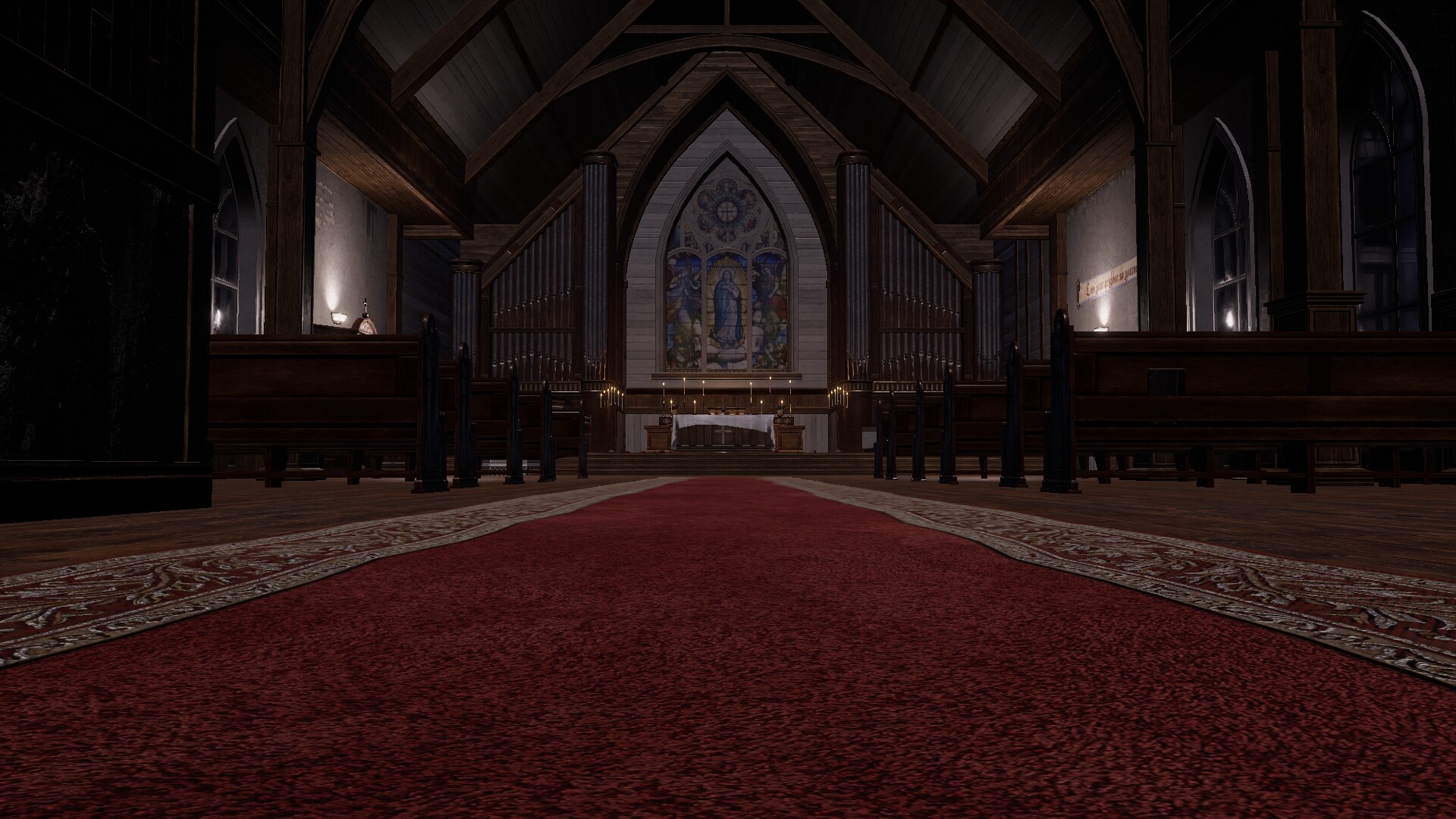
Officially described on Steam, Trace of the Villa positions Jin as a searcher of cold leads who finds a remote, deliberately forgotten mansion. Inside, rooms appear as if people vanished mid-routine; locked doors, missing names and erased identities create an atmosphere of deliberate concealment. Mechanically and narratively, the house responds when power is restored—secured systems come back online, hidden compartments unlock, safes yield fragments of encrypted documents and suspicious transfer records—so each solved puzzle literally turns on new information.

Who should wishlist it
- Players who enjoy slow-burn suspense and environmental storytelling—those who read a room for narrative cues rather than expect cutscenes to explain everything.
- Puzzle fans who prefer object logic and forensic-style clues: manifests, transfer records and encrypted fragments figure in the official description as the game’s core reward loop.
- Single-player adventurers who value accessibility options listed on Steam—color alternatives, subtitles and non-timed input—so methodical play is supported.
When and where
Trace of the Villa released on Steam on 28 May, 2026. The title is listed under Action / Adventure / Indie and is published and developed by Steadyturtle Co., Ltd.
Why the theme matters
The game’s premise—an estate “erased” of names and photographs—makes the mechanics matter as narrative devices. Restoring power to systems doesn’t only open doors; it converts puzzles into testimonies. When clues are delivered as recoverable artifacts (manifests, records), the player acts like an investigator, and every solved cipher or unlocked safe functions as a partial corroboration of the story rather than a spoiler-filled statement. That framing keeps the mystery procedural: evidence accumulates, but meaning is left to player synthesis.
How clue reading, object logic and story puzzles shape the experience
Trace of the Villa’s official description emphasizes tangible levers of discovery: power restoration, hidden compartments and encrypted documents. In practical terms that means:
- Clue reading: notes, manifests and suspicious transfer records are the primary narrative carriers—players collect fragments and must assemble timelines from them rather than receive exposition.
- Object logic: puzzles are grounded in the environment—switches, safes and systems that return to life—so solutions rely on attention to context and causal reasoning, not random trial-and-error.
- Story puzzles: the act of solving is also the act of evidence-gathering. As each layer unlocks, new material appears that reframes earlier assumptions without explicit plot spoilers.
Comparison: where Trace of the Villa sits among clue-driven puzzle adventures
| Game | Genre/feel | Puzzle focus | Exploration style | Pacing / tone |
|---|---|---|---|---|
| Trace of the Villa | Action / Adventure / Indie — mansion mystery, investigative | Evidence-driven: manifests, encrypted docs, system restores | Single-player, room-to-room investigation with environmental interaction | Slow-burn suspense; methodical accumulation of clues |
| The Room | Adventure / Indie — tactile puzzle boxes | Mechanical, tactile puzzles focused on object manipulation | Contained, set-piece rooms with a focused puzzle-object per scene | Atmospheric, tension-driven; tight, puzzle-centric pacing |
| Unpacking | Casual / Indie — zen, narrative-by-objects | Item placement and contextual storytelling via possessions | Non-linear domestic spaces that reveal life stories | Relaxed, reflective pacing; narrative emerges from objects |
| Escape Simulator | Adventure / Simulation — interactive escape rooms | Highly interactive puzzles; focus on tangible item use | Room-scale puzzles often designed for replay and co-op | Variable: puzzle-heavy, often brisker tempo than investigative mysteries |
Use this comparison to decide whether you want tightly focused puzzle boxes, reflective object-based storytelling, tabletop escape-room interactivity, or a slow investigative mansion where puzzles function as evidence.
Player scenarios — specific fits
- If you like assembling a timeline from documents and logs while exploring atmospheric interiors, add Trace of the Villa to your wishlist.
- If you prefer immediate puzzle feedback and arcade-like challenge, the game’s deliberate, evidence-first rhythm may not be your primary pick.
- If accessibility (subtitles, color alternatives, no timed input) is important for savoring clues at your own pace, this title lists several supportive categories on Steam.
Steam page
View Trace of the Villa on Steam
YouTube discovery
For trailer and gameplay discovery, use YouTube search rather than relying on unverified embeds: Find Trace of the Villa trailer and gameplay searches on YouTube.
Leave a Reply