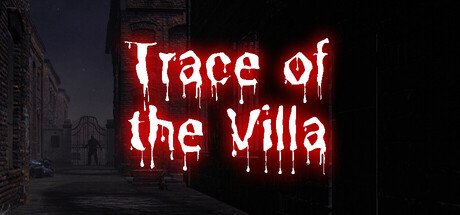
Trace of the Villa — a slow-burn mansion mystery built around a missing-person investigation
Jin has spent years searching for his missing sister, and Trace of the Villa centers that search inside a remote, decaying mansion where recovered manifests and encrypted fragments suggest she might still be alive. The game pairs an investigation-first premise with environmental storytelling, puzzle unlocks and the slow satisfaction of piecing together deliberately erased identities.

Quick facts
| Title | Trace of the Villa |
|---|---|
| Steam appid | 3483660 |
| Release date | 28 May, 2026 |
| Developer / Publisher | Steadyturtle Co., Ltd. |
| Genres | Action, Adventure, Indie |
| Categories | Single-player; Color Alternatives; Custom Volume Controls; Playable without Timed Input; Subtitle Options; Family Sharing |
| Short premise | Jin follows leads to a decaying mansion where manifests and clues suggest his missing sister may still be alive at the end of the trail. |
Who this is for
If you prefer narrative curiosity anchored by a personal stake—rather than spectacle—Trace of the Villa is aimed at players who want an investigative spine to their exploration. Fans of atmospheric mystery adventure and story-rich indie games who like following breadcrumbs (manifests, encrypted documents, and locked safes) to assemble a timeline will find its structure appealing. The game’s single-player focus and accessibility options (subtitles, color alternatives, custom volume) make it suited to paced, patient players who value reading environmental clues over twitch reflexes.
What the game is
Trace of the Villa drops you into a remote, deliberately forgotten estate. Official materials frame the game as a personal investigation: Jin restores power to the mansion, reactivates secured systems, and uncovers hidden compartments, safes and fragments of encrypted records. Those recovered manifests and hints form the trail Jin follows, and the apparent point of the narrative is to trace where — and whether — the sister’s path continues beyond the property.

When and where
Trace of the Villa released on Steam on 28 May, 2026 and is available on the Steam storefront. It is listed under Action, Adventure and Indie on Steam and appears as a single-player experience with accessibility options such as subtitle support and custom volume controls.
Why the theme matters — missing-person stakes and character motivation
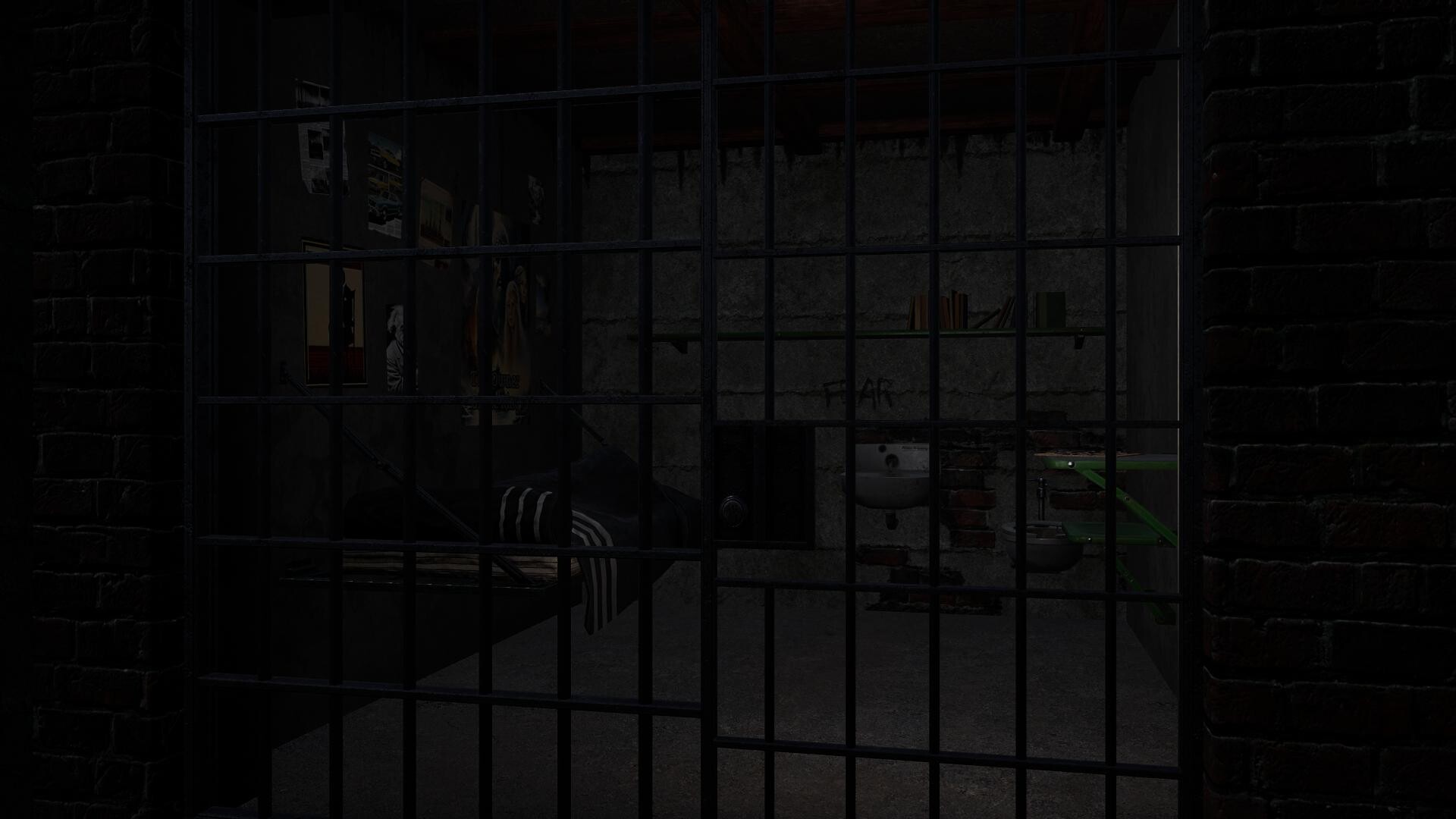
The central emotional engine is Jin’s search for his sister. That missing-person stake shifts investigation from abstract curiosity to personal urgency: recovered manifests and financial traces don’t just satisfy puzzle impulses, they potentially point to a living person at the end of the trail. The official description emphasizes erased identities — rooms arranged as if occupants vanished mid-routine, belongings untouched but photographs and names removed — which frames the mansion as a site of concealment rather than ordinary decay. That choice of set dressing matters because it turns every unlocked safe or reactivated system into a moral and narrative pivot: each revealed fragment reframes what Jin believes and why he keeps moving.
How you progress — reading clues, restoring systems, and assembling a trail
- Restore power and re-enable secured systems: the official description notes that restoring power is how the mansion begins to reveal its secrets.
- Open hidden compartments and safes: fragments of encrypted documents and suspicious transfer records are specifically mentioned as things you recover.
- Follow a clue-driven timeline: manifests and hints form a trail that points beyond the estate — the design emphasis is on piecing together movement patterns and falsified identities.
- Puzzle and exploration blend: solving environmental puzzles and decrypting fragments are both ways the narrative advances; the game’s categories list it as playable without timed input, signaling a deliberate pace.
Player scenarios — who should wishlist Trace of the Villa
- Investigation-first players: if you enjoy reading documents, reactivating locked systems and letting a timeline emerge from small, connected discoveries, the game fits that preference.
- Mansion mystery consumers who want emotional stakes: if a missing-person core motivates your exploration (as opposed to purely cosmic or procedural mysteries), Jin’s search provides a clear human throughline.
- Accessibility-minded players: inclusion of subtitle options, color alternatives and custom volume controls makes the experience more approachable for players who need those features.
- Slow-burn, single-player explorers: the absence of timed input categorizations suggests a paced approach rather than twitch puzzles or speed runs.
How it compares — editorial comparisons to nearby mystery and puzzle titles
Below is a focused comparison on atmosphere, puzzle style, exploration focus, story tone and pacing. These comparisons are editorial and intended to help decide fit, not to claim any title is superior.
| Title | Core mood / atmosphere | Puzzle style | Exploration focus | Story tone & stakes | Pacing |
|---|---|---|---|---|---|
| Trace of the Villa | Mansion mystery, erased identities, claustrophobic and investigative | Environmental puzzles, safes/encrypted documents, clue-driven | Single-site, reactivated systems, reveal-by-restoration | Personal missing-person stakes (Jin searching for his sister) | Slow-burn, deliberate |
| Inscryption | Inky, psychological horror with metafictional elements | Card-based deckbuilding blended with escape-room puzzles | Layered, shifting spaces revealed through meta-puzzles | Psychological, puzzling secrets and narrative twists | Punchy, escalating |
| Outer Wilds | Curious, open-space wonder with melancholic undertones | Puzzle solved through observation and experimentation | Open solar system — exploration across locations and cycles | Cosmic mystery about ancient forces and fate | Exploratory, variable tempo |
| The Forgotten City | Ancient, moral mystery with a focus on cause-and-effect | Dialogue and puzzle choices affecting outcomes | Single environment with travel across timelines (time loop) | Civic stakes and philosophical consequences | Puzzle-driven, narrative-forward |
| The Medium | Psychological, dual-reality atmosphere | Puzzles using parallel-reality mechanics | Exploration split between the physical and spirit realm | Trauma and dark secrets centered on characters |
Leave a Reply