
Trace of the Villa: a clue-driven mansion mystery that asks you to read the room, not mash a trigger
Trace of the Villa places investigation and environmental puzzle design at the center of its experience, asking players to connect manifests, encrypted fragments, and restored systems to learn what happened in a decaying, off-grid mansion. Released on 28 May, 2026 by Steadyturtle Co., Ltd., the game leans into slow-burn suspense and story puzzles rather than action-packed pacing.

Who this is for
If you prefer atmospheric mystery adventure on PC — games that reward careful reading of clues, patient inventory logic, and piecing together narrative fragments — Trace of the Villa is aimed at you. The Steam page labels it as Action, Adventure, Indie and lists single-player-friendly options like “Playable without Timed Input” and subtitle support, which signals a puzzle-first design rather than twitch-based combat. Players who enjoy methodical exploration and narrative puzzle design over fast-paced combat will find the pacing intentional: slow, investigative, and clue-focused.
What the game is — the set-up and the tone
Trace of the Villa puts you in Jin’s shoes: a long search for a missing sister leads to a remote, deliberately forgotten mansion where signs of occupancy remain, but identities and records have been stripped away. According to the official Steam description, restoring power and accessing secured systems is a key loop — hidden compartments open, safes yield fragments of encrypted documents, and manifests and transfer records gradually point to a larger operation. That framing places story puzzles and environmental storytelling at the center of progression.
When and where to find it
Trace of the Villa launched on Steam on 28 May, 2026. It’s published and developed by Steadyturtle Co., Ltd., and appears on the Steam store with PC-oriented accessibility options such as color alternatives, custom volume controls, subtitle options, and family sharing.
Why the clue-driven approach matters
Clue-driven puzzles change how a game asks questions of the player. Instead of reflexes, Trace of the Villa asks you to interpret documents, reconstruct timelines, and treat rooms as narrative evidence. When puzzles are anchored in story — manifests, encrypted fragments, falsified identities — solving them advances both gameplay and the sense of uncovering a covert operation. That approach creates psychological investigation more than horror spectacle: the tension comes from learning what was erased and why, not from sprinting through enemy encounters.
How you actually progress — clue reading, object logic, and story puzzles
- Clue reading: The store page highlights manifests and “hints” recovered in the mansion. Expect text artifacts and records to form the backbone of many solutions.
- Object logic: Restoring power and interacting with secured systems are explicitly called out in the official description. That implies layered puzzle systems where tools, switches, and discovered keys unlock further information.
- Story puzzles: Safes and encrypted documents are mentioned as sources of fragments. Progress often hinges on assembling partial evidence into a coherent timeline rather than brute-forcing a lock.
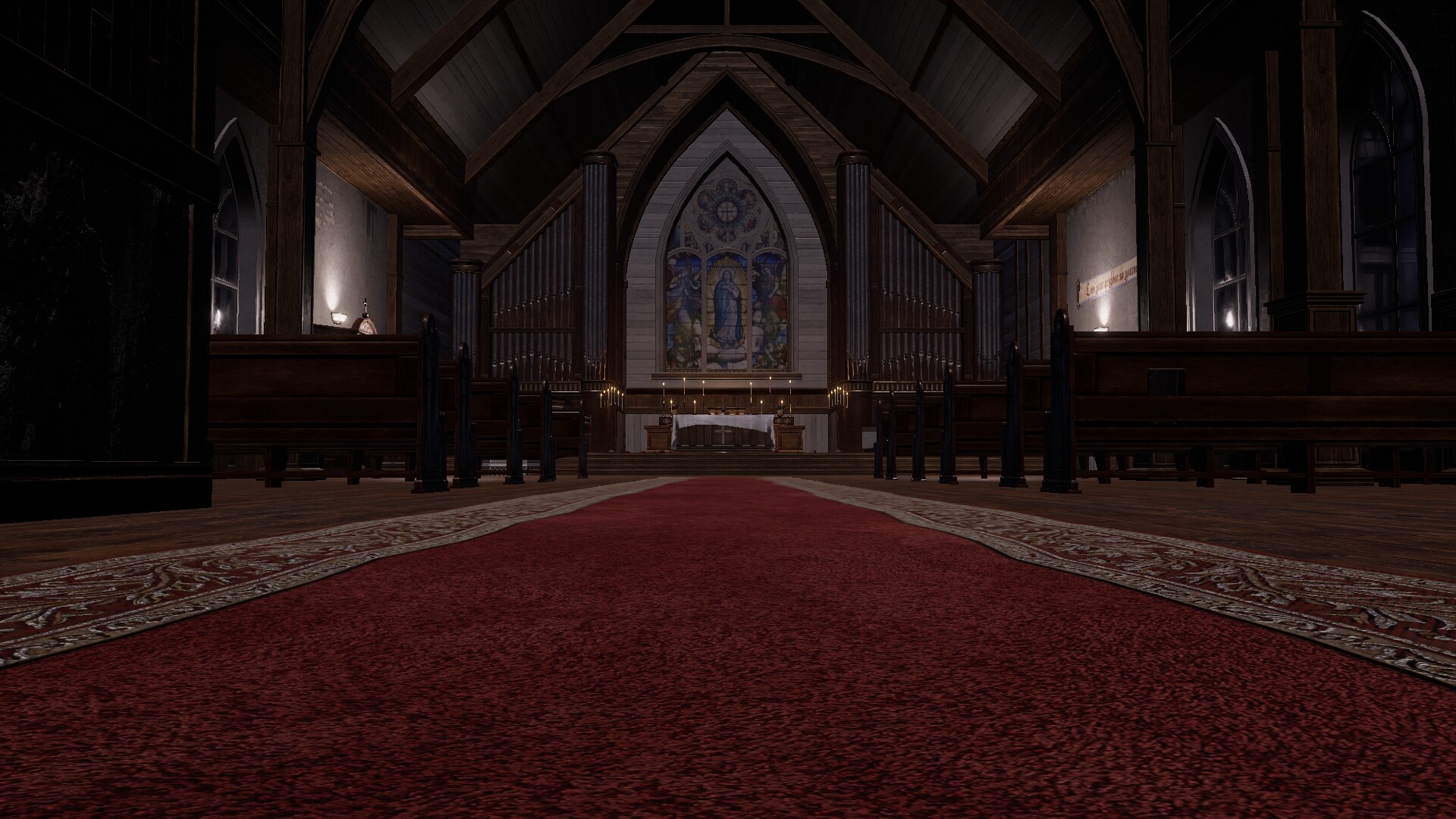

Compact facts — Trace of the Villa
| Title | Trace of the Villa |
|---|---|
| Steam appid | 3483660 |
| Developer | Steadyturtle Co., Ltd. |
| Publisher | Steadyturtle Co., Ltd. |
| Release date | 28 May, 2026 |
| Official short description | Jin has spent years searching for his missing sister, pursuing leads that took him to a remote, decaying mansion where he recovered manifests and hints that indicate his sister may still be alive, somewhere at the end of the trail he is about to follow. |
| Genres / categories | Action, Adventure, Indie; Single-player, Color Alternatives, Custom Volume Controls, Playable without Timed Input, Subtitle Options, Family Sharing |
Player scenarios — who will enjoy this and who might pass
- Prefer it: A player who values environmental storytelling and evidence-gathering. If you like tracing timelines, assembling encrypted fragments, and making narrative inferences from objects, this fits. The “Playable without Timed Input” tag and subtitle options make it approachable for readers, note-takers, and slower-paced play sessions.
- Maybe not for you: If you expect action-heavy pacing, frequent combat, or arcade-style mechanics labelled as “Action” on store pages, note that Trace of the Villa emphasizes investigation and puzzle sequencing. The action tag reflects some elements but the core loop described on Steam is investigative.
- Good solo fit: The game is single-player and framed as a tightly contained narrative investigation — suitable for players who enjoy focused, solitary puzzle solving rather than co-op or social puzzle rooms.
Comparison: Where Trace of the Villa sits among similar puzzle adventures
| Title | Release | Primary focus | Puzzle style | Pacing / tone | Player fit |
|---|---|---|---|---|---|
| Trace of the Villa | 28 May, 2026 | Atmospheric mansion investigation | Clue reading, restored systems, encrypted documents, object logic | Slow-burn, investigative, story-driven | Players who prefer narrative puzzles and environmental storytelling |
| The Room | 28 Jul, 2014 | Mysterious invitation and lockbox puzzles | Mechanical, tactile puzzle boxes and isolated puzzle chambers | Focused, tactile, puzzle-box tension | Players who enjoy single-room, tactile puzzle solving |
| The Room Two | 5 Jul, 2016 | Sequential, exotic-location puzzle-box exploration | Layered puzzle chambers with an unfolding narrative | Curated, chapter-based mystery pacing | Fans of detailed mechanical puzzles tied to story beats |
| Escape Simulator | 19 Oct, 2021 | Highly interactive escape rooms; co-op options | Physical interactivity, movable objects, designer/creator rooms | Variable — from relaxed puzzles to timed room pressure (player-created) | Players who like physics, sandbox interaction, or co-op escape rooms |
| Unpacking | 1 Nov, 2021 | Zen, domestic-item puzzles that reveal life stories | Block-fitting, placement logic tied to character history | Calm, reflective, slice-of-life | Players seeking low-pressure, story-through-objects experiences |
How to decide — quick checklist
- Wishlisting makes sense if you enjoy narrative puzzle loops and investigating a mansion through documents and object interactions.
- Consider waiting or watching footage if you need more clarity on combat or action intensity; the Steam description emphasizes investigation and restored systems as progression mechanics.
- Accessibility and comfort: the game’s Steam listing includes subtitle options, color alternatives, and “Playable without Timed Input”, which is useful for players who prefer unhurried puzzle solving.
YouTube discovery
Search for trailers or gameplay footage if you want to see pacing and puzzle presentation firsthand: https://www.youtube.com/results?search_query=Trace+of+the+Villa+trailer+gameplay
Leave a Reply