
Trace of the Villa — an escape-room style mystery that rewards locked-room thinking
Trace of the Villa casts you as Jin, a man following a cold trail to a decaying, off-the-grid mansion where manifests and encrypted fragments suggest his missing sister may still be alive. Released on 28 May, 2026 by Steadyturtle Co., Ltd., the game leans on atmospheric mystery adventure and clue-driven exploration rather than combat-forward action.

Quick facts
| Title | Trace of the Villa |
|---|---|
| Steam AppID | 3483660 |
| Release date | 28 May, 2026 |
| Developer | Steadyturtle Co., Ltd. |
| Publisher | Steadyturtle Co., Ltd. |
| Genres | Action, Adventure, Indie |
| Categories | Single-player; Color Alternatives; Custom Volume Controls; Playable without Timed Input; Subtitle Options; Family Sharing |
Who this is for
If you favor environmental storytelling, slow-burn suspense and puzzle-chains that build momentum, Trace of the Villa is aimed at you. The game targets players who prefer locked-room logic—reading a room for object clues, reconstructing sequences from fragments, and following financial or identity traces rather than reflex-based combat. Its Steam categories (single-player, subtitle options, playable without timed input) also make it suitable for players who want a paced, accessible investigation experience on PC.
What the game is
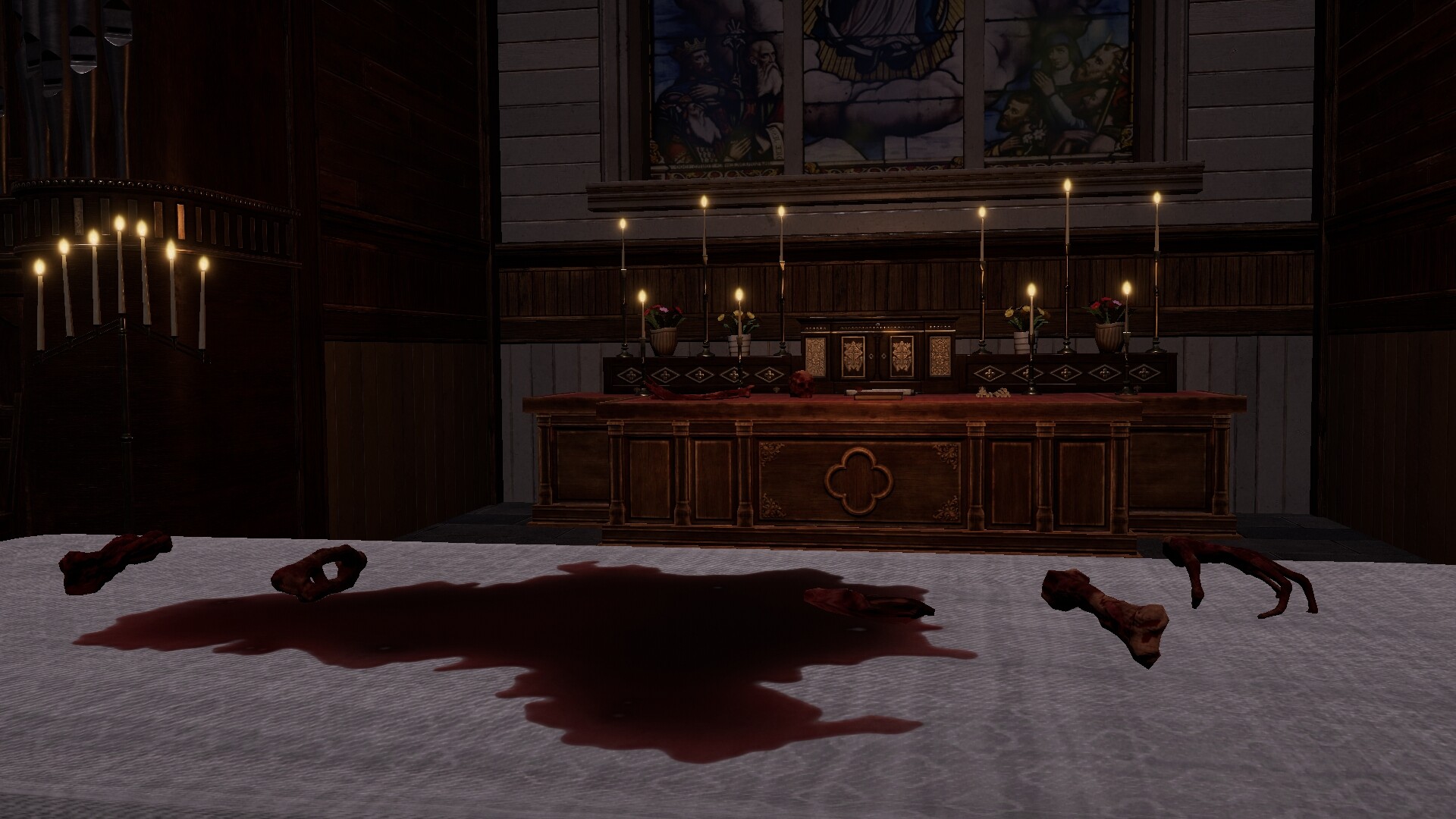
On its Steam page the premise is clear: Jin has found a lead pointing to a deliberately forgotten mansion. Rooms feel “less abandoned than erased,” with locked doors and secured systems that, when powered, reveal hidden compartments, safes and fragments of encrypted documents. That setup implies a loop common to escape-room style mystery games: observe, deduce, restore systems or mechanisms, and use newly revealed evidence to unlock the next area or puzzle.

When and where to get it
Trace of the Villa released on Steam on 28 May, 2026. If you want to see the store page directly, use the Steam link below to wishlist, view system specs and read the official store text.
View Trace of the Villa on Steam
Why the theme matters: locked-room thinking and emotional stakes
Mansion mysteries work best when the environment is both character and clue. Trace of the Villa’s premise—rooms furnished as if occupants vanished mid-routine, identities erased, and secured systems slowly revealing layers of concealment—creates an investigative rhythm: every small object or recovered manifest can revise the player’s theory. The emotional anchor of searching for a missing sister raises stakes beyond a generic puzzle: clue-chains carry the weight of a personal timeline rather than abstract codes alone.
How progression and puzzle chains appear to work
The Steam description highlights a clear progression loop that’s familiar to escape-room and narrative puzzle players: restore power to systems, watch secured mechanisms reactivate, examine newly opened compartments, and extract fragments (encrypted documents, suspicious transfer records) that point to the next lead. That chain—environmental reading → object clues → system restoration → new evidence—creates puzzle-chain momentum: each solved piece both explains and complicates the investigation, pushing Jin deeper into the house’s hidden operation.
Player scenarios — who will enjoy Trace of the Villa
- The methodical reader: You enjoy scanning rooms, noting mismatched items and following documentary trails. Expect payoff for attention to detail rather than speed.
- The story-first player: You want a mystery with narrative hooks. The missing-sister premise gives a personal through-line to the puzzle work.
- The escape-room fan: You like chained puzzles where solving one mechanism unlocks access to the next. The game’s described mechanics—power restoration and secured systems coming back online—should feel familiar and satisfying.
- The atmospheric explorer: You prioritize tone, set dressing, and a slow-burn build of dread. The mansion-as-memory concept is designed to reward careful environmental reading.
How it compares — editorial, lawfully framed
Below is a compact editorial comparison based on genre, atmosphere, puzzle focus, exploration style and pacing. These comparisons are for discovery and to help readers decide which experience best matches their tastes, not endorsements or claims about quality.
| Title | Release | Core puzzle focus | Atmosphere / Tone | Exploration style | Player fit |
|---|---|---|---|---|---|
| Trace of the Villa | 28 May, 2026 | Clue chains, environmental systems, document fragments | Slow-burn, claustrophobic mansion mystery | Room-to-room investigation with system restorations | Players who like narrative stakes + escape-room logic |
| The Room | 28 Jul, 2014 | Mechanical safes, tactile puzzle boxes | Curious, uncanny, tactile mystery | Single-room to interconnected puzzles focused on object manipulation | Fans of intricate physical puzzles and tactile problem solving |
| Escape Simulator | 19 Oct, 2021 | Highly interactive object manipulation; community rooms | Varied — playful to tense depending on room | Room-scale interaction, physics-driven puzzles, co-op support | Players who want sandbox interaction, creativity and co-op |
| The Room Two | 5 Jul, 2016 | Expanded mechanical puzzles across multiple connected environments | Broader, more atmospheric than the first | Interlinked puzzle environments with a narrative through-line | Those who appreciated The Room and want a larger scope |
YouTube discovery
If you want to see trailers or gameplay clips, search YouTube for Trace of the Villa — this link will take you to search results so you can evaluate trailers and community videos: Trace of the Villa trailer & gameplay (YouTube search). This URL is a discovery path; individual videos should be checked for official attribution on their upload pages.
Final buying consideration
Decide based on what you prioritize: if you want object-driven puzzles embedded in a
Leave a Reply