
Trace of the Villa — a mansion mystery built around slow-burn, clue-driven storytelling
Trace of the Villa puts you in the shoes of Jin, a sibling-led investigator piecing together an erased past inside a remote, decaying mansion. The game leans on environmental storytelling and layered documents—power restoration, locked safes, and manifest fragments—that reward patient players who read clues as the primary engine of progression.

What the game is
Official premise (short): “Jin has spent years searching for his missing sister, pursuing leads that took him to a remote, decaying mansion where he recovered manifests and hints that indicate his sister may still be alive, somewhere at the end of the trail he is about to follow.”
The longer Steam description frames Trace of the Villa as an investigation where the mansion feels “less abandoned than erased.” Restoring power and unlocking secured systems reveal encrypted documents, suspicious transfers, falsified identities, and a pattern of arrivals and departures that were hidden from records. Those official details indicate a game built around gradual revelation through found documents, environmental clues, and puzzle-enabled access to new story fragments.
Who it’s for
Trace of the Villa is aimed at players who prioritize narrative curiosity over twitch reflexes: people who enjoy atmospheric mystery adventures, slow-burn suspense, and exploration that is driven by piecing together documents and logs rather than literal combat spectacle. The Steam listing classifies the game as Action, Adventure, Indie and includes Single-player, Color Alternatives, Custom Volume Controls, Playable without Timed Input, Subtitle Options, and Family Sharing—so it’s accessible to players who want to focus on reading and investigation at their own pace.
When and where
Trace of the Villa released on Steam on 28 May, 2026. It’s published and developed by Steadyturtle Co., Ltd. and appears as a PC/Steam indie release with the visual and metadata assets available on its store page.
Why the theme matters
Mansion mysteries work when the environment itself whispers back to you. The official text repeatedly emphasizes erasure—rooms left mid-routine, no names or photos, systems deliberately cut off—and that framing makes investigation feel consequential. When a game’s puzzles exist to uncover identity and institutional concealment, every safe combination, restored circuit, and ledger entry is a means of reading the world rather than a rote gate. That focus on identity, falsified records, and financial trails gives Trace of the Villa a quieter, procedural dread: the horror of things being systematically scrubbed.
How you progress and read clues
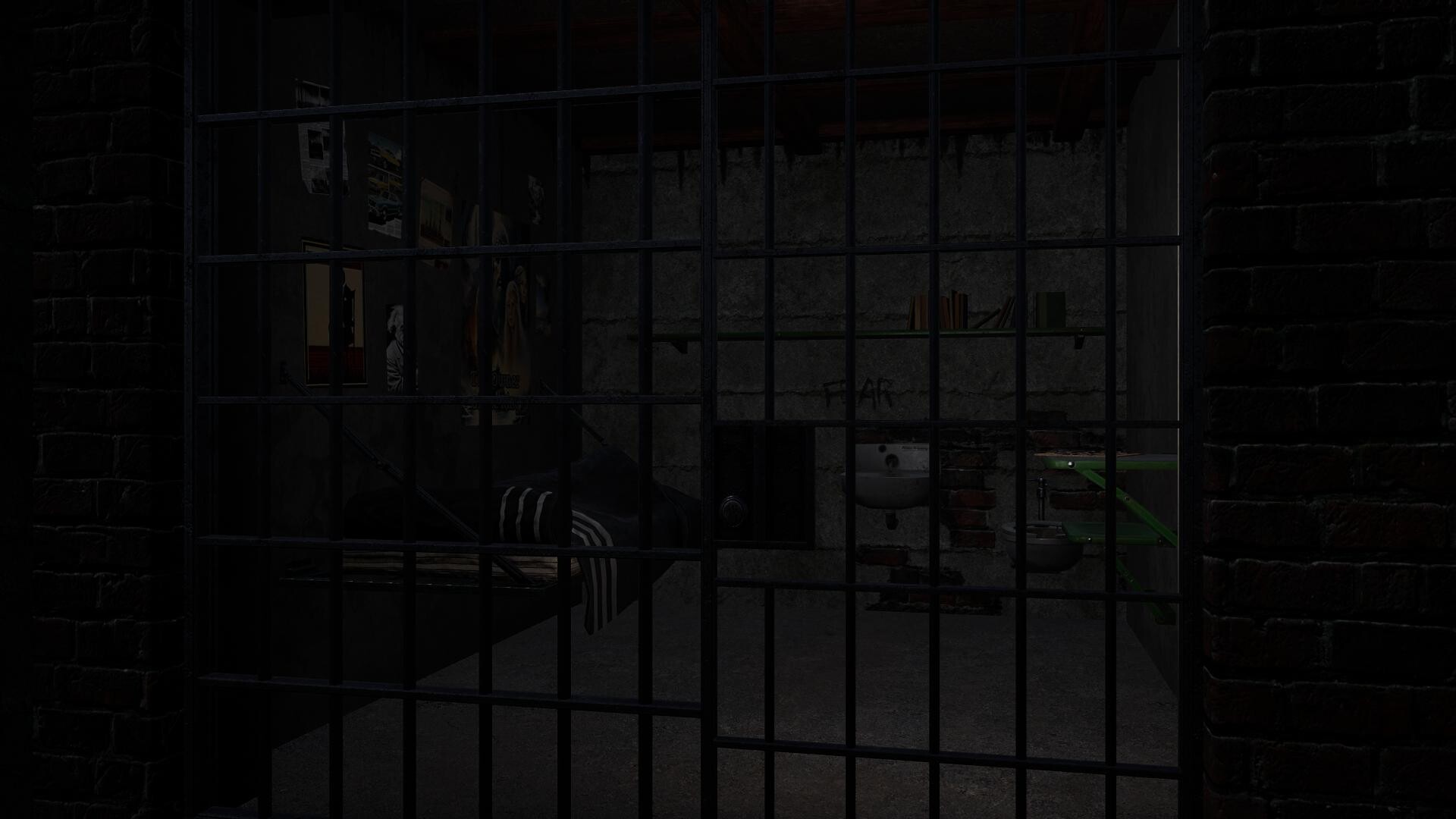
Steam’s description outlines the central mechanics of discovery: restore power; reactivate secured systems; open hidden compartments and safes; collect fragments of encrypted documents and transfer records. Progress is primarily narrative-based and puzzle-locked—each solved puzzle yields more contextual evidence that reshapes the timeline and reveals the scope of the operation the mansion once served. Expect clue-chaining: one recovered manifest points to another room, one decrypted record suggests a falsified identity, and so on.

Concrete scenarios: which players will enjoy it
Scenario A — The investigative completionist
You like tracking every document, cataloguing names and dates, and replaying sections to confirm timelines. Trace of the Villa’s clue-chaining and encrypted fragments reward methodical note-taking and returning to rooms with new context.
Scenario B — The atmosphere-first player
You’re drawn to slow-burn suspense and environmental storytelling where mood and detail carry the plot. The mansion-as-artifact framing—rooms frozen mid-routine and systems deliberately cut—serves that appetite well.
Scenario C — The puzzle-driven reader
You enjoy puzzles that are narrative levers rather than obstacles for difficulty’s sake. Restoring power, opening safes, and decrypting records function primarily to reveal story, so players who treat puzzles as keys to information will get the most satisfaction.
Quick facts
| Title | Trace of the Villa |
|---|---|
| Developer / Publisher | Steadyturtle Co., Ltd. |
| Release date | 28 May, 2026 |
| Genres | Action, Adventure, Indie |
| Steam categories / features | Single-player; Color Alternatives; Custom Volume Controls; Playable without Timed Input; Subtitle Options; Family Sharing |
| Steam page | Visit Trace of the Villa on Steam |
How it compares (editorial discovery)
Below is a concise, editorial comparison on lawful criteria—atmosphere, narrative approach, puzzle emphasis, and pacing—so readers can decide how Trace of the Villa fits among similar story-first mysteries.
| Title | Atmosphere / Tone | Narrative approach | Puzzle / Exploration focus | Pacing |
|---|---|---|---|---|
| Trace of the Villa | Decaying mansion; erasure and institutional concealment | Document-led revelation; protagonist Jin searching for a missing sister | Restoring systems, safes, encrypted fragments; clue-chaining | Slow-burn, investigative |
| Inscryption | Inky, unsettling, metafictional | Card-based narrative with layered secrets | Puzzles interwoven with deck mechanics and escape-room moments | Variable; tense and rhythmically surprising |
| Outer Wilds | Curious, melancholic cosmic mystery | Exploration and discovery across a small solar system | Environmental puzzles that reveal history through traversal | Expansive, player-led pacing |
| Journey | Wordless, poetic, contemplative | Minimalist storytelling through environment and movement | Exploration-focused, almost no conventional puzzles | Unhurried, meditative |
| The Forgotten City | Ancient, moral-tinged mystery | Time-loop narrative with choice-driven revelations | Puzzle and dialogue choices that change outcomes | Puzzle-heavy, iterative |
| The Medium | Psychological, dual-realm eerie | Confronting trauma and spiritual investigation | Puzzles across real and spirit realms unlocking narrative beats | Steady, suspenseful |
Use the table to match your preference: if you want document-first, slow investigative reveals in a closed-location mansion, Trace of the Villa is closest by design; other titles above offer different blends of mechanics and narrative tone.
Trailer and video discovery
If you want to see footage or trailers, use this YouTube search path to find official and community videos: Search Trace of the Villa on YouTube. This is a discovery link, not a claim that any single video is an official trailer.
Final verdict — who should wishlist it
Wishlist Trace of the Villa if you prefer narrative puzzle design where reading clues is the primary reward, enjoy slow-burn mansion mysteries, and want exploration that emphasizes identity, erased histories, and procedural revelation. If you gravitate toward fast-action, multiplayer, or games that prioritize combat spectacle over document-based discovery, this is likely not the core offering.
Steam link: https://store.steampowered.com/app/3483660/Trace_of_the_Villa/
Disclaimer: Referenced titles and trademarks belong to their respective owners. Comparisons are editorial discovery only and do not imply endorsement, sponsorship, or direct connection.
Leave a Reply