Trace of the Villa and the Quiet Craft of Psychological Dread
Trace of the Villa trades jump-scare theatrics for the slow, corrosive pressure of an erased past: a decaying mansion whose empty rooms and flickering systems ask more questions than they answer. Released on 28 May, 2026 by Steadyturtle Co., Ltd., the game frames its mystery around Jin’s search for his missing sister and a trail of manifests, encrypted fragments and false identities hidden inside a place deliberately cut off from the world.

| Title | Trace of the Villa |
|---|---|
| Release date | 28 May, 2026 |
| Developer / Publisher | Steadyturtle Co., Ltd. |
| Genres | Action · Adventure · Indie |
| Categories / Features | Single-player · Color Alternatives · Custom Volume Controls · Playable without Timed Input · Subtitle Options · Family Sharing |
| Steam AppID | 3483660 |
Who should consider wishlisting this
If you prefer slow-burn suspense, environmental storytelling, and puzzle-led investigation over constant action, Trace of the Villa is aimed at you. Players who value reading spaces—rooms left “mid-routine,” missing photographs and falsified records—and who enjoy piecing together a narrative from manifests and encrypted fragments will find the game aligned with their tastes. It’s also a fit for those who appreciate accessibility options like custom volume controls, subtitles and alternative color palettes.
What the game is
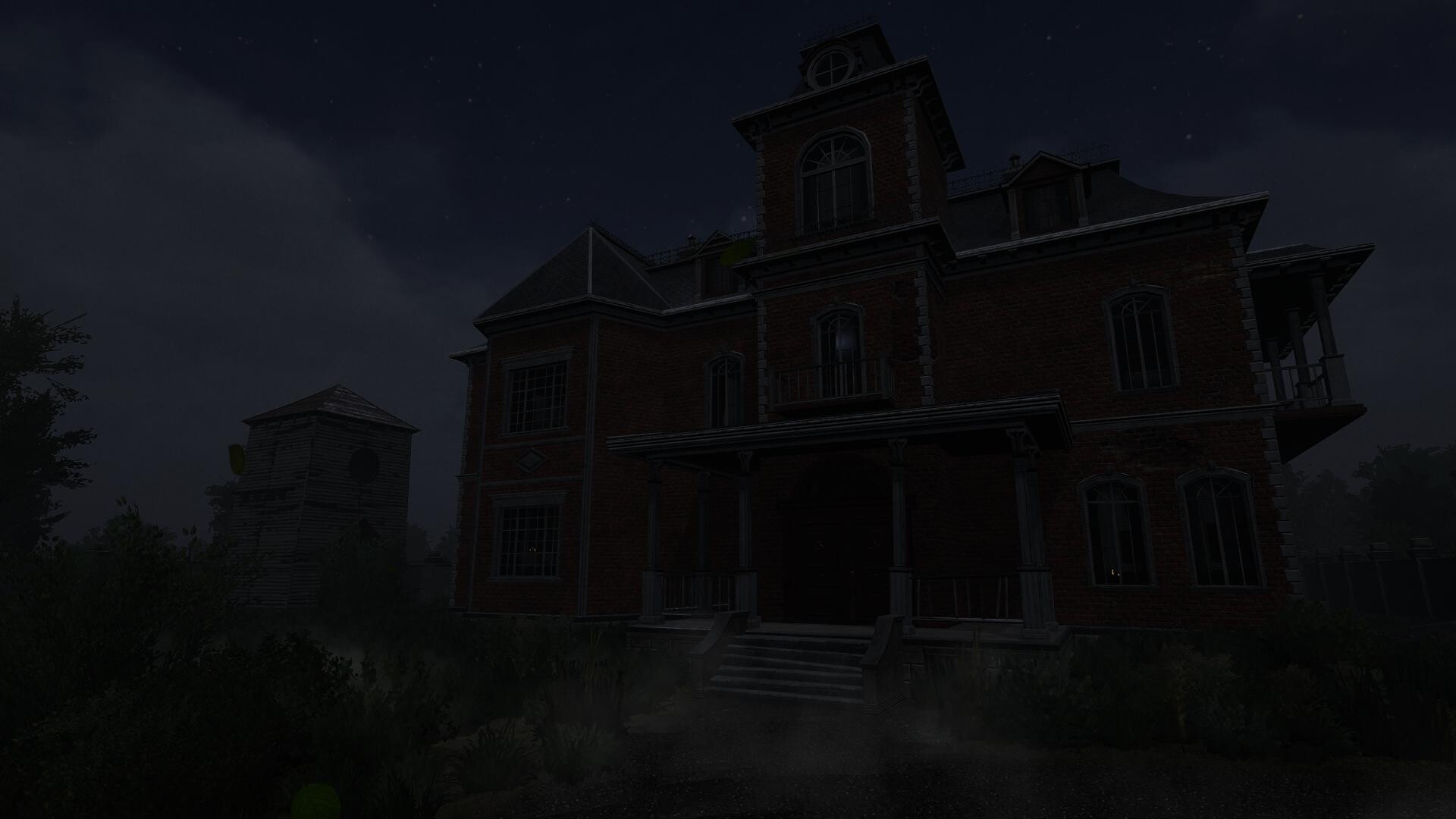
Trace of the Villa places you in Jin’s shoes: a protagonist searching for a missing sister whose trail leads to an isolated, decaying mansion. The Steam description makes clear the tone—less haunted-house theatrics and more an estate that feels “erased.” Restoring power to the property becomes a gameplay pivot: secured systems come back online, hidden compartments unlock, and safes yield fragments of encrypted documents and suspicious transfer records. The progression is clue-driven and investigative rather than combat-focused.
When and where
Trace of the Villa launched on Steam on 28 May, 2026. You can view its Steam store page and decide whether to wishlist or buy here: Trace of the Villa on Steam.
Why quiet tension and uncertainty matter
Quiet dread leverages absence and ambiguity. In an empty mansion that looks lived-in but stripped of identity—no photos, no names—fear comes from the mind filling in gaps. The game’s design choices described on Steam (locked doors, erased histories, falsified identities and financial traces) orient the player to a psychological investigation: every artifact, system reboot or unlocked compartment reframes what you thought you knew. That sustained uncertainty keeps attention focused on interpretation rather than reflexive jolts, and it creates room for dread to accumulate between discoveries.
How you progress: reading systems, restoring power, following traces
The official text highlights a few concrete systems of progression: restoring estate power, reactivating secured systems, unlocking hidden compartments and decrypting or assembling fragments found in safes. These mechanics suggest an interplay of environmental puzzle solving and forensic reconstruction—how safe contents, manifests and suspicious transfers link together to reveal a broader, concealed operation. Expect methodical exploration, backtracking after new systems come online, and pattern recognition across disparate records rather than twitch-based challenges (the game advertises playability without timed input).

Player scenarios — who will enjoy it most
- The slow investigator: You like to take notes, follow threads across rooms and feel rewarded when a nonfictional detail (a transfer record or manifest) reframes the narrative. The game’s focus on documents and secured systems caters to that patience.
- The atmospheric explorer: You prefer architecture, lighting and soundscapes to overt enemies. If a haunted mansion that communicates through objects and silence appeals to you, Trace of the Villa will deliver.
- The accessibility-minded player: You want subtitle options, custom volume controls and non-timed puzzle play. The Steam categories show features that support these preferences.
- Not ideal for you: If you prize nonstop action set-pieces or competitive mechanics, the title’s investigative, narrative puzzle approach may feel too restrained.
How it compares — brief editorial table
Below is a compact editorial comparison focused on atmosphere, puzzle focus and pacing. This is an editorial discovery exercise, not a claim of relative quality or endorsement.
| Title | Primary tone / atmosphere | Puzzle / exploration focus | Pacing |
|---|---|---|---|
| Trace of the Villa | Quiet dread; domestic erasure in an isolated mansion | Clue-driven: manifests, encrypted fragments, systems to restore | Slow-burn, methodical investigation |
| Amnesia: The Dark Descent | Claustrophobic, immersion-heavy horror | Environmental puzzles with emphasis on survival and atmosphere | Tense, sustained dread with some frantic moments |
| SOMA | Existential sci-fi unease in an isolated setting |
YouTube discoveryFor trailer and gameplay discovery, use YouTube search rather than relying on unverified embeds: Find Trace of the Villa trailer and gameplay searches on YouTube. Comments |
Leave a Reply