Trace of the Villa: why silence, slow dread, and unsettling room design matter more than jump scares
Trace of the Villa is a slow-burn, clue-driven mystery that leans on environmental dread and tightly staged interiors rather than loud shocks. The game asks you to read a house like a witness—piecing together missing histories from locked drawers, powered systems and fragments of records.

What the game is
Trace of the Villa (Steadyturtle Co., Ltd.) casts you as Jin, a man who has spent years searching for his missing sister. According to the official Steam materials, a new lead brings Jin to a remote, decaying mansion “cut off from the grid and deliberately forgotten.” Inside, rooms look as if occupants vanished mid-routine; identities are conspicuously absent; and restoring power begins to reveal secured systems, hidden compartments and encrypted documents. The narrative and design focus on investigation through exploration and puzzle-driven discovery rather than constant action.
Who it’s for
This is built for players who prefer psychological investigation and environmental storytelling: people who want to slow down, examine objects and architecture, and let atmosphere—silence, empty rooms, and the sensation that the house itself is withholding meaning—create tension. If you favor story-rich adventure, mansion mystery pacing, and clue-driven exploration over reflex tests and scripted jump scares, Trace of the Villa is squarely aimed at you.
When and where
Trace of the Villa released on Steam 28 May, 2026. It appears on Steam as a PC indie title developed and published by Steadyturtle Co., Ltd.; see the official store page for platform details and purchase or wishlist options.
How you read the house (progression and discovery)
The Steam description emphasizes restoration and unmasking as the core loop: when Jin restores power, secured systems come back online, hidden compartments unlock and safes yield fragments of encrypted documents and suspicious transfer records. Progress is narrative-puzzle driven—solve access puzzles and decrypt fragments to extend the timeline and build the mansion’s elusive history. The game rewards careful observation: furniture left as if mid-use, missing photographs and erased identities are intentional design choices that serve as clues.
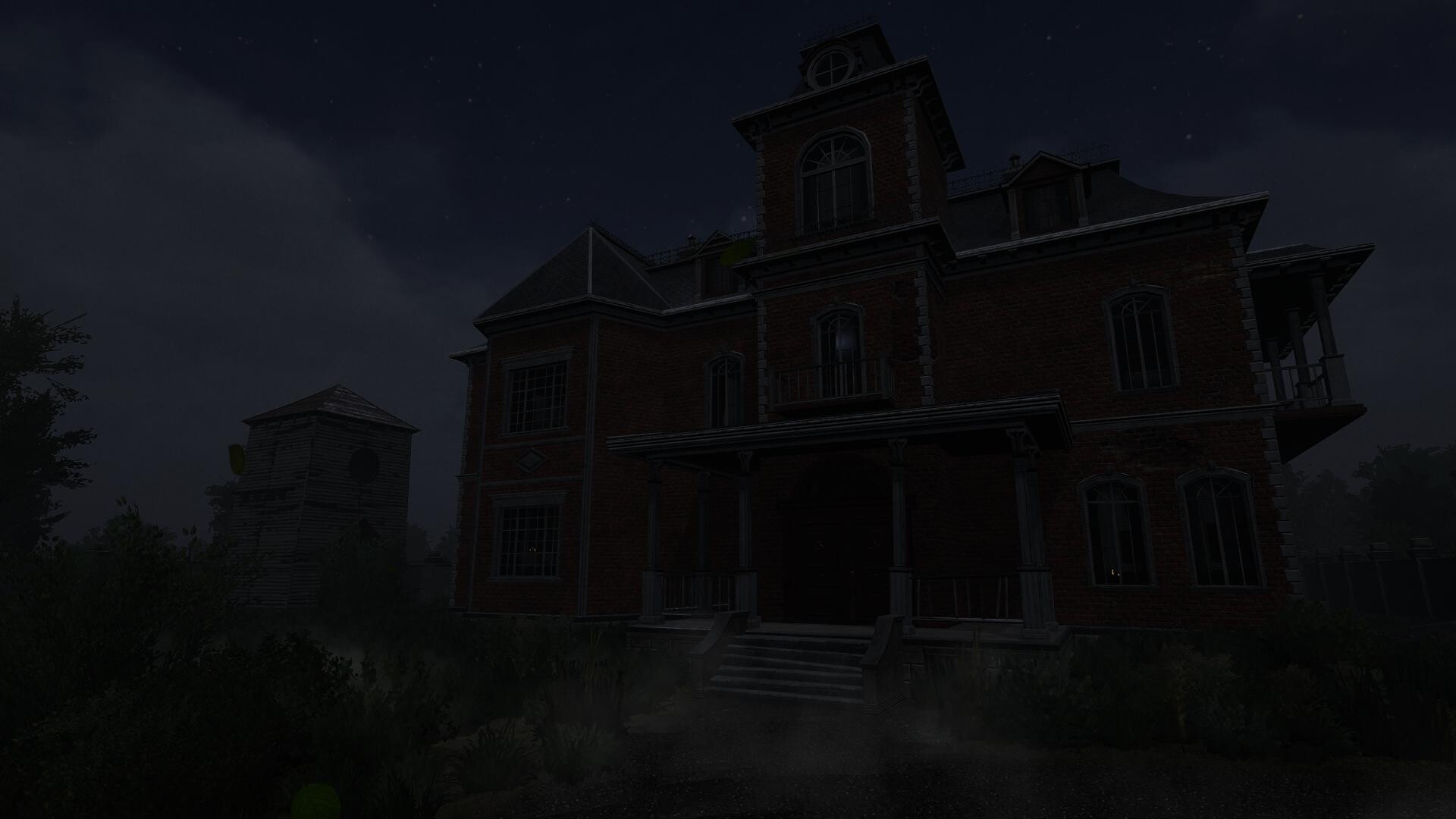

Why environmental dread, silence and unsettling room design matter
Design that privileges absence—missing photographs, unlabelled documents, rooms that look lived-in yet emptied of identity—forces players to supply narrative meaning. Silence becomes an active component of gameplay: it focuses attention, amplifies small audio cues when they occur, and makes every unlocked compartment or flicker of power carry weight. That slow-building tension tends to produce a longer-lived psychological effect than a series of cheap shocks because it invites you to imagine what the silence is hiding rather than momentarily startling you.
Quick facts
| Title | Trace of the Villa |
|---|---|
| Steam appid | 3483660 |
| Release date | 28 May, 2026 |
| Developer | Steadyturtle Co., Ltd. |
| Publisher | Steadyturtle Co., Ltd. |
| Genres | Action, Adventure, Indie |
| Categories (Steam) | Single-player; Color Alternatives; Custom Volume Controls; Playable without Timed Input; Subtitle Options; Family Sharing |
How it compares — neutral editorial mapping
| Title | Core tone / atmosphere | Puzzle / exploration focus | Pacing | Player fit |
|---|---|---|---|---|
| Trace of the Villa | Decaying mansion, erasure of identity, quiet dread (official Steam materials) | Clue-driven exploration; restoring systems unlocks narrative fragments (official) | Slow-burn, investigative | Players who prefer atmosphere-led mystery and reading environments |
| Amnesia: The Dark Descent | Immersive, first-person survival horror (classic dark-immersion tone) | Exploration and survival mechanics focused on immersion | Slow to intense, with survival tension | Players who want immersion-first horror and persistent dread |
| SOMA | Sci‑fi, existential dread set under the ocean | Exploration and narrative puzzles with philosophical themes | Steady, narrative-driven with occasional tense set pieces | Players who like story-heavy, thoughtful horror |
| Layers of Fear | Psychological, shifting Victorian mansion focused on madness | Architectural puzzles and changing environments to tell a story | Unsettling, often surreal pacing | Players who enjoy unreliable-space storytelling and mood-driven scares |
| Poppy Playtime | Abandoned factory, toy-themed horror with puzzle tools | Puzzle-adventure with mechanical tools and set-piece hazards | More overtly playful and scripted pacing | Players who prefer puzzle gadgets and sharper set-piece tension |
Specific player scenarios — should you wishlist it?
- If you enjoy spending session time cataloguing evidence, toggling power and watching small revelations ripple across a house, wishlist it.
- If you prefer reflex-based horror or constant creature encounters, this may not be your primary pick—Trace of the Villa emphasizes investigation and atmosphere.
- If you like story-rich adventures that reward patient examination of rooms and documents, add it to your follow list on Steam and check the store page for updates.
YouTube discovery
Looking for trailers or gameplay clips? Search results for “Trace of the Villa trailer gameplay” can be found here: YouTube search: Trace of the Villa trailer & gameplay. This link is a discovery path; it does not verify any specific official video.
Final notes and disclaimer
Trace of the Villa is developed and published by Steadyturtle Co., Ltd
Leave a Reply