
Trace of the Villa — an escape-room style mansion mystery built around power, locks, and reconstructing evidence
Trace of the Villa drops you into a decaying, off-the-grid mansion where Jin’s hunt for a missing sister turns into a clue-driven investigation. The game’s central loop—restore power, watch systems unlock, and piece together fragmented records—shifts conventional locked-room puzzle design into a forensic, environmental narrative.

Who this is for
If you prefer atmospheric mystery adventure with methodical pacing rather than combat-heavy action, Trace of the Villa targets players who like slow-burn suspense and environmental storytelling. It should appeal to people who enjoy narrative puzzle design and clue-driven exploration: players who read texture, wiring, and paperwork as much as they read dialogue. Because the premise centres on restoration and reconstruction rather than timed reflexes, players who favour deliberate, investigative play over twitch mechanics will get the most from it.
What the game actually is
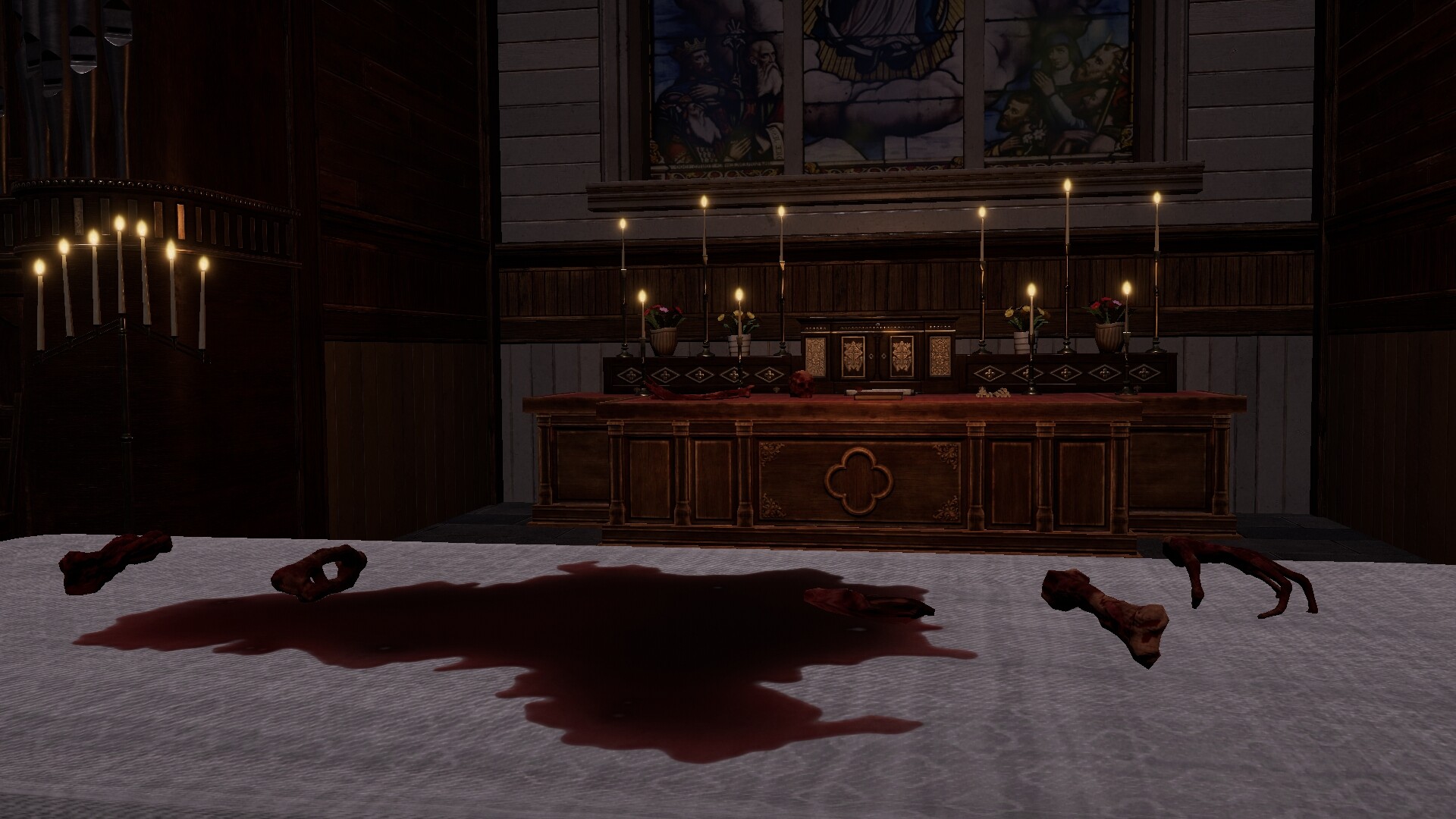
Trace of the Villa (developer/publisher: Steadyturtle Co., Ltd.) positions itself as a story-rich adventure with investigative emphasis. The official short description frames the hook plainly: “Jin has spent years searching for his missing sister, pursuing leads that took him to a remote, decaying mansion where he recovered manifests and hints that indicate his sister may still be alive, somewhere at the end of the trail he is about to follow.” The longer official description clarifies the core conceit—a property “cut off from the grid and deliberately forgotten,” rooms frozen mid-routine, and locked systems that only reveal their secrets once power is restored.
When and where — Steam details
Trace of the Villa released on 28 May, 2026 and is listed on Steam for PC. The game is presented under the Action / Adventure / Indie genres and includes single-player-focused features such as Color Alternatives, Custom Volume Controls, Playable without Timed Input, Subtitle Options, and Family Sharing. Use the Steam store page to wishlist or follow updates:
| Title | Trace of the Villa |
|---|---|
| Steam AppID | 3483660 |
| Release date | 28 May, 2026 |
| Developer / Publisher | Steadyturtle Co., Ltd. |
| Genres | Action, Adventure, Indie |
| Key categories | Single-player; Color Alternatives; Custom Volume Controls; Playable without Timed Input; Subtitle Options; Family Sharing |
| Premise | Jin investigates a decaying mansion; restoring power reveals secured systems, safes, and encrypted documents that trace a hidden operation |

Why the theme — power, locks and erased identities — matters
Trace of the Villa uses a pragmatic mechanic—restoring power—to transition the environment from inert set-dressing into an active puzzle space. That single act converts rooms from “frozen tableau” into functional systems: lights, secured safes, encrypted manifests and hidden compartments. Because the mansion appears intentionally scrubbed of names and photos, the game leans into reconstructive detection: you aren’t just solving isolated puzzles, you’re assembling a network of circumstantial evidence that suggests a larger, organized operation. For players who prize narrative cohesion in their puzzle loops, that connection between mechanic and meaning is the game’s primary hook.
How you progress — locked-room thinking, clue chains, and environmental reading
The official description outlines the progression clearly: once Jin restores power, “secured systems come back online. Hidden compartments unlock. Safes yield fragments of encrypted documents and suspicious transfer records.” That suggests a gameplay loop composed of interlocking steps:
- Survey: read rooms for anomalies—missing photos, odd wiring, sealed doors—then tag likely interactables.
- Restore: find and repair power nodes or breakers; powering a circuit can change multiple rooms at once.
- Unlock: powered systems trigger electronic locks, reveal compartments, or allow machines to operate.
- Reconstruct: gather manifests, transaction fragments, and encryption keys, and chain them into a timeline.
- Infer: use the reconstructed timeline to open new areas or to frame greater questions about who used the villa and why identities were erased.
That chain—observe, enable, open, assemble, infer—is classic locked-room logic translated into a forensic investigation. Expect puzzles that reward environmental literacy (not quick reflexes), and progressive reveals that depend on connecting disparate fragments rather than brute-force code guessing.
Player scenarios — who should wishlist this
Methodical Puzzle Solver
You take notes, catalog items, and test hypotheses. Trace of the Villa’s focus on linked evidence and power-dependent systems will reward careful players who enjoy incremental reveals over sudden jump scares.
Narrative Investigator
You buy into character-driven stakes: Jin’s search for his sister provides emotional motive to keep going. If you like piecing together story from ephemera—manifests, logs, and transfer records—this will feel like investigative work rather than fetch quests.
Environmental Reader
You prefer games where the room itself tells the story. The mansion’s “erased” quality—furnished but missing names—encourages close reading of set design, lighting, and layout to produce deductions that open new spaces.
How it compares — quick editorial table
| Title | Core genre | Puzzle focus | Atmosphere / pacing | Who it fits |
|---|---|---|---|---|
| The Room | Adventure / Indie | Mechanical safe-and-contraption puzzles; tactile object rotation | Intimate, tactile, puzzle-forward; focused single-chamber tension | Players who like precise mechanical puzzles with a confined, tactile feel |
| The Room Two | Adventure / Indie | Expanded versions of mechanical puzzles across linked spaces | Broader than the first but still puzzle-first and atmospheric | Those who liked the first but want larger, more varied locales |
| Escape Simulator | Adventure / Casual / Indie | Highly interactive object puzzles, physics-driven interactions, community roomsSteam page
View Trace of the Villa on Steam YouTube discoveryFor trailer and gameplay discovery, use YouTube search rather than relying on unverified embeds: Find Trace of the Villa trailer and gameplay searches on YouTube. CommentsMore posts |
Leave a Reply