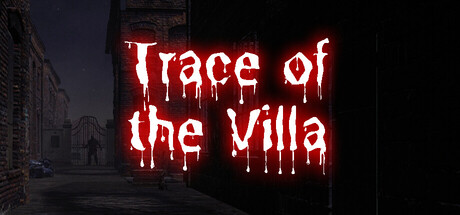
Trace of the Villa: why environmental dread and quiet uncertainty outpace cheap shocks
Trace of the Villa (Steadyturtle Co., Ltd., released 28 May, 2026) trades jump-scare theatrics for slow-building environmental dread: you play Jin, a man following fragmented manifests and hints into a remote, decaying mansion where the silence itself keeps score. The game leans on furnished-but-erased rooms, power restoration that reveals locked systems and encrypted fragments, and puzzle-driven discovery to sustain a creeping sense of unease rather than shotgun frights.

Who, what, when and where
Who: You follow Jin, a protagonist searching for his missing sister, guided by recovered manifests and unsettling hints. What: A story-rich, atmospheric mystery adventure on PC that combines exploration, environmental storytelling and puzzle elements. When / Where: Available on Steam — Trace of the Villa released 28 May, 2026. Developer and publisher are Steadyturtle Co., Ltd.
Why quiet tension and uncertainty matter here
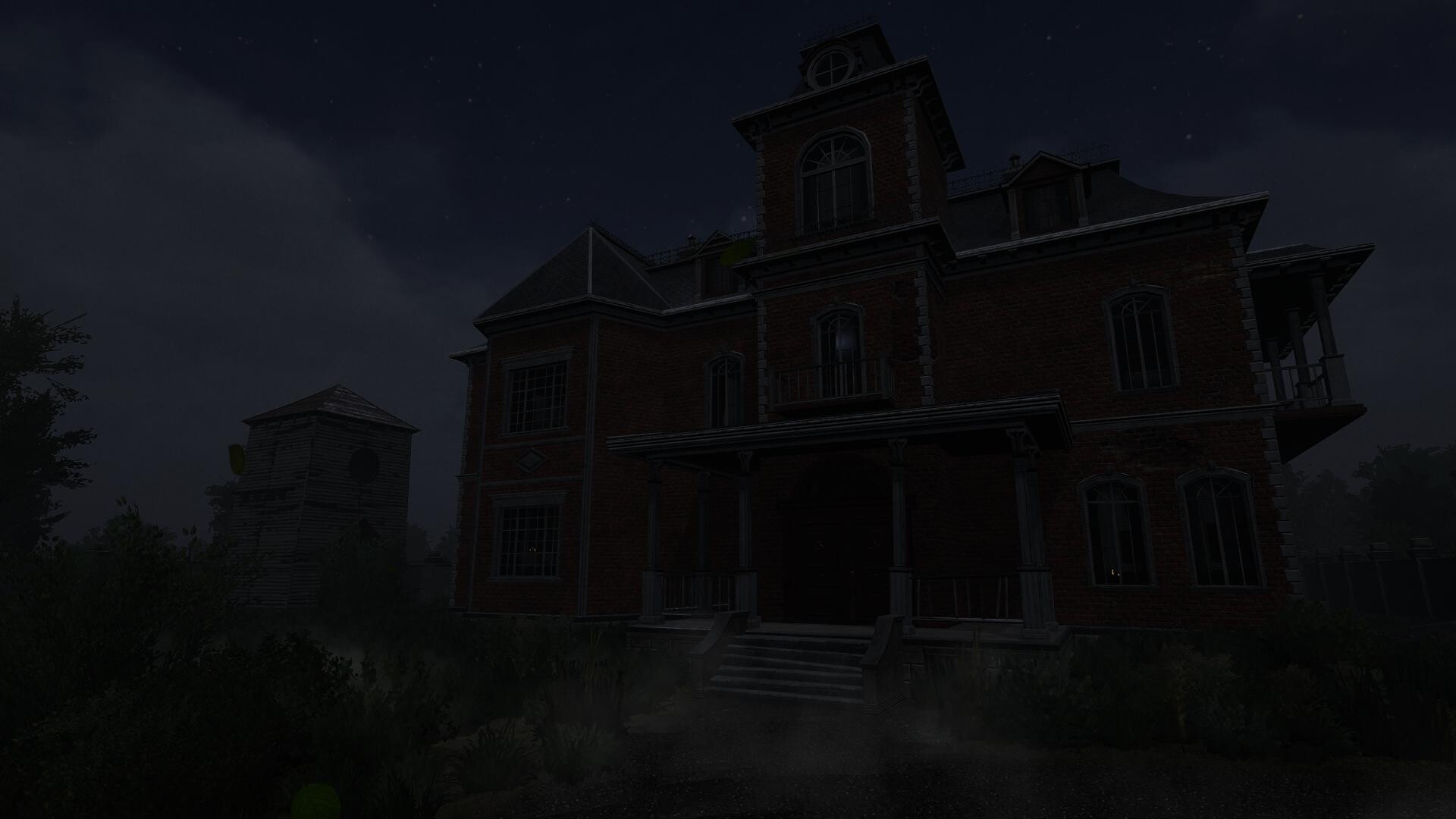
The mansion in Trace of the Villa is staged to suggest absence: rooms left mid-routine, personal items without names or photos, and infrastructure that only comes alive when Jin restores power. That shifting state—between stillness and slowly returning systems—turns silence into an active gameplay component. Environmental dread arrives as a layered sensation: architecture, decomposed domestic details, and the slow revelation of falsified identities and concealed operations all create an atmosphere where the unknown feels procedural and personal rather than purely sensational.
How you progress: clues, systems and pacing
Progress in Trace of the Villa comes from reading the space: manifests, locked compartments, safes and digital systems revealed as power and access are restored. Puzzles and discovery are clue-driven rather than reflex tests—the game includes accessibility options such as playable without timed input and subtitle options, which supports players who prefer deliberate, investigative pacing over twitch reactions.

Who should wishlist Trace of the Villa?
- Players who prefer slow-burn suspense, environmental storytelling and investigative puzzles to jump-scare horror.
- Fans of narrative puzzle design that rewards careful reading of rooms, objects and restored systems.
- PC players who want accessibility options like custom volume controls, color alternatives and playable without timed input.
- Anyone who responds to atmosphere over spectacle—those who find tension in silence and the suggestion of a larger operation behind the walls.
Specific player scenarios
- Late-night investigator: You like moving slowly, scanning photo‑crammed tables and reading manifests to reconstruct a timeline—Trace of the Villa spaces are designed for that methodical approach.
- Puzzle-first explorer: If you enjoy unlocking locked doors, re-powering systems and watching the world respond, the game’s clue-to-solution loop will appeal.
- Atmosphere-focused viewer: You value texture—faded wallpaper, a dim study, the mechanical whir of returning systems—over loud moments of shock.
- Accessibility-minded player: If timed inputs or aggressive reaction requirements limit your enjoyment elsewhere, this title’s category list (Playable without Timed Input, Subtitle Options, Custom Volume Controls, Color Alternatives) is relevant.
Compact facts: Trace of the Villa
| Title | Trace of the Villa |
|---|---|
| Steam AppID | 3483660 |
| Release date | 28 May, 2026 |
| Developer / Publisher | Steadyturtle Co., Ltd. |
| Genres | Action, Adventure, Indie |
| Categories / Notable options | Single-player; Color Alternatives; Custom Volume Controls; Playable without Timed Input; Subtitle Options; Family Sharing |
| Short premise | Jin searches for his missing sister in a remote, decaying mansion where recovered manifests and hints suggest she may still be alive. |
| Store page | Trace of the Villa on Steam |
How it stacks up (comparison)
Editorial comparisons on atmosphere, puzzle focus and pacing to help decide fit—no endorsements or superiority claims implied.
| Title | Genre / Setting | Atmosphere / Focus | Puzzle emphasis | Exploration style | Pacing / Player fit |
|---|---|---|---|---|---|
| Trace of the Villa | Action / Adventure / Indie — mansion mystery | Quiet environmental dread, staged domestic absence | Clue-driven puzzles tied to systems and locked compartments | Room-by-room, investigative | Slow-burn; suits players who favor atmosphere over jumps |
| Amnesia: The Dark Descent | Action / Adventure / Indie — gothic survival | Immersive, claustrophobic horror and personal dread | Puzzle and survival elements; resource-moderated encounters | First-person, fear-and-escape exploration | More survival tension and immediate fear; for players wanting immersion plus threat |
| SOMA | Action / Adventure / Indie — sci-fi, underwater | Existential dread, narrative questioning of identity | Environmental puzzles with narrative framing | Corridor and facility exploration with story beats | Pacing builds to philosophical climax; suits players who prefer story-heavy horror |
| Layers of Fear (2016) | Adventure / Indie — Victorian mansion, psychological | Shifting architecture, unreliable perception, artistic obsession | Puzzle-lite; focused on perception and narrative reveals | Non-linear house exploration with surreal changes | Strong on atmosphere and storytelling; for players who enjoy psychological instability |
| Poppy Playtime | Action / Adventure / Indie — abandoned toy factory | Playful-turned-threatening tone with toy-based menace | Puzzle tools (GrabPack) and environmental problem solving | Set-piece factory exploration with traversal gadgets | More action-oriented puzzles and tense encounters; suits players seeking lighter puzzles with set-piece threats |
YouTube discovery
If you want to see trailers or gameplay clips, use this YouTube search path (results may include community uploads and trailers): Search Trace of the Villa trailer & gameplay on YouTube.
Leave a Reply