
Quiet Tension Over Loud Jumps: Why Trace of the Villa Chooses Uncertainty
Trace of the Villa leans on slow-burn suspense and environmental clues rather than cheap shocks; its quiet atmosphere makes each unlocked secret feel consequential. For players who prefer sustained dread and methodical investigation to jump-scare theater, this is the kind of Steam outing that rewards patience.

What is Trace of the Villa?
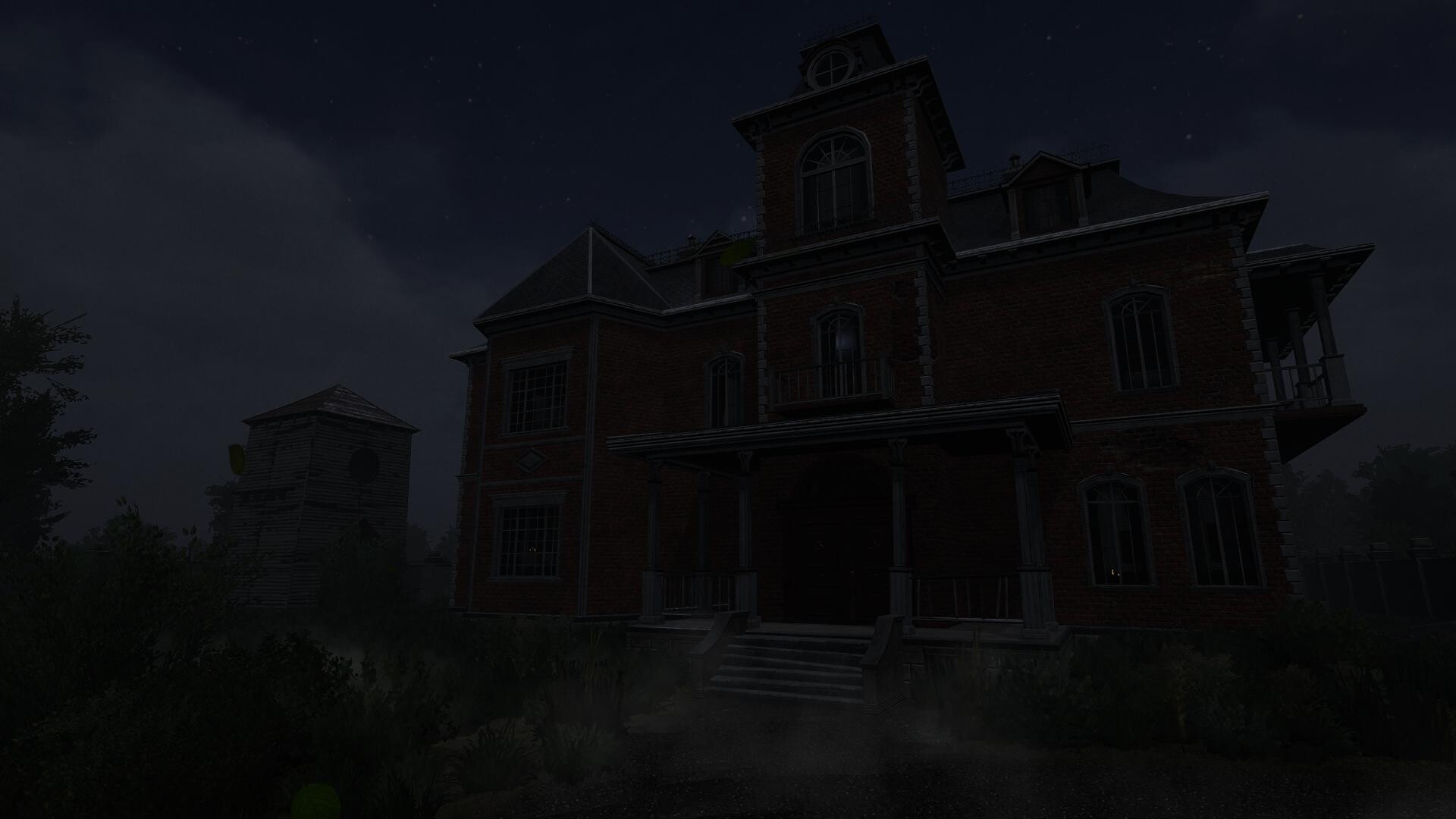
Trace of the Villa is an atmospheric mystery adventure on Steam that frames a personal investigation inside a decaying, off-grid mansion. Official Steam copy explains the protagonist Jin has been searching for his missing sister and follows a lead to a mansion where manifests, encrypted documents, safes, and restored systems slowly reveal a larger, hidden operation. The game is listed under the genres Action, Adventure, Indie and carries single-player and accessibility-related categories such as Playable without Timed Input and Subtitle Options.
Who is this for?
- Players who prefer measured, clue-driven exploration over constant adrenaline—those who want a mystery that unfolds through environmental storytelling and small discoveries.
- Fans of narrative puzzle design who enjoy restoring systems, unlocking safes, and following financial or identity trails to assemble a timeline.
- PC players who value accessibility options (color alternatives, custom volume controls, subtitle options) and single-player, story-rich experiences on Steam.
When and where can you play it?
Trace of the Villa released on 28 May, 2026 and is available on Steam for PC. The game is developed and published by Steadyturtle Co., Ltd.
Why quiet tension and uncertainty matter more than shock claims
Shock tactics produce memorable moments; quiet tension produces memory. When a game layers unpaid bills, encrypted fragments, and empty rooms that look lived-in but scrubbed of identity, it forces the player into a detective posture. That posture—examining, hypothesizing, pausing—creates sustained unease. Trace of the Villa’s premise (restoring power, finding documents and manifests, uncovering evidence of controlled movements) pivots the experience away from surprise toward accumulation. Each solved puzzle and restored circuit is evidence, not just a gate to the next scare, and that slow accrual of information is where dread becomes meaningful.
How you progress: reading clues and piecing timelines
The Steam description highlights core ways the story unfolds: restoring the mansion’s power brings systems back online, hidden compartments and safes reveal fragments of encrypted documents and suspicious transfer records, and manifests suggest arrivals and departures masked by falsified identities. Progress feels investigative: you restore, access, decrypt, and use fragments to build a timeline. That structure favors players who enjoy careful note-taking and revisiting spaces once new systems or keys are available.
Compact facts: Trace of the Villa
| Title | Trace of the Villa |
|---|---|
| Steam App ID | 3483660 |
| Release Date | 28 May, 2026 |
| Developer / Publisher | Steadyturtle Co., Ltd. |
| Genres | Action, Adventure, Indie |
| Categories | Single-player; Color Alternatives; Custom Volume Controls; Playable without Timed Input; Subtitle Options; Family Sharing |
| Short premise | Jin searches a decaying mansion for signs his missing sister may still be alive; power restoration and recovered documents uncover a concealed operation. |
| Steam store | Trace of the Villa on Steam |

How it sits next to other psychological horror and tension games
Below is a comparison focused on genre, atmosphere, puzzle focus, exploration style, pacing, and the player fit to help decide whether Trace of the Villa matches your tastes.
| Title | Genre / Atmosphere | Puzzle Focus | Exploration Style | Pacing / Player Fit |
|---|---|---|---|---|
| Trace of the Villa | Action / Adventure / Indie — decaying mansion, investigative dread | Clue-driven: restored systems, safes, encrypted fragments | Methodical, backtrack-friendly; story revealed by environment | Slow-burn; for players who enjoy slowly assembling timelines |
| Amnesia: The Dark Descent | Action / Adventure / Indie — immersion and existential dread | Physics and environment puzzles with survival-focused constraints | Linear but highly atmospheric exploration | High-tension immersion; suits players who accept helplessness mechanics |
| SOMA | Action / Adventure / Indie — sci-fi, philosophical unease | Environmental and story puzzles tied to narrative reveals | Exploration of confined, narrative-heavy locations (underwater) | Paced for players interested in narrative and existential questions |
| Layers of Fear (2016) | Adventure / Indie — psychological, Victorian mansion, shifting spaces | Atmospheric puzzles tied to storytelling and perception | Labyrinthine, surreal rooms that change with progress | Story-first pacing; appeals to players who value surreal narrative beats |
| Poppy Playtime | Action / Adventure / Indie — toy-factory horror with puzzle tools | Gadget-based puzzles (tool-focused gameplay) | Structured set-piece areas with puzzle-centric traversal | Faster-paced, puzzle-action mix for players who like tool puzzles and tension |
Player scenarios — who should wishlist it
- If you keep a notebook while playing, retrace clues, and enjoy returning to earlier rooms once a new key or system is active, wishlist Trace of the Villa.
- If you prefer horror that builds through implication—missing records, falsified identities, and small undocumented traces—this leans toward your taste.
- If you want continuous jump-scare pressure or co-op action, this slower, single-player investigation may feel too deliberate.
Where to find trailers and gameplay footage
Search for trailers and gameplay using this YouTube discovery link (useful to find community playthroughs or trailers; not a claim of an official channel): YouTube: Trace of the Villa trailer & gameplay.
Leave a Reply