Trace of the Villa: Why Quiet Tension and Unsettling Rooms Matter More Than Shock
Trace of the Villa feels built around an atmosphere of absence: a decaying, cut-off mansion that reads like a crime scene frozen in place. Rather than trading in loud jump scares, it asks players to listen to silence, restore systems, and let slowly revealed details build dread.

Who, What, When, Where, Why, How
Who is this for?
Players who prefer slow-burn suspense, environmental storytelling, and clue-driven exploration over reflex-based horror. If you value atmospheric mystery adventure and narrative puzzle design — the kind of game that rewards careful reading of rooms and documents — Trace of the Villa is pitched toward you.
What is the game?
Trace of the Villa is a story-rich, atmospheric action-adventure indie on Steam. Its official short description: “Jin has spent years searching for his missing sister, pursuing leads that took him to a remote, decaying mansion where he recovered manifests and hints that indicate his sister may still be alive, somewhere at the end of the trail he is about to follow.” The mansion plays like a staged environment: furnished, frozen, and deliberately anonymized.
When and where is it available?
Trace of the Villa released on 28 May, 2026 and is available on Steam for PC. The Steam store page and assets were inspected directly for this piece.
Why the theme matters — environmental dread and silence
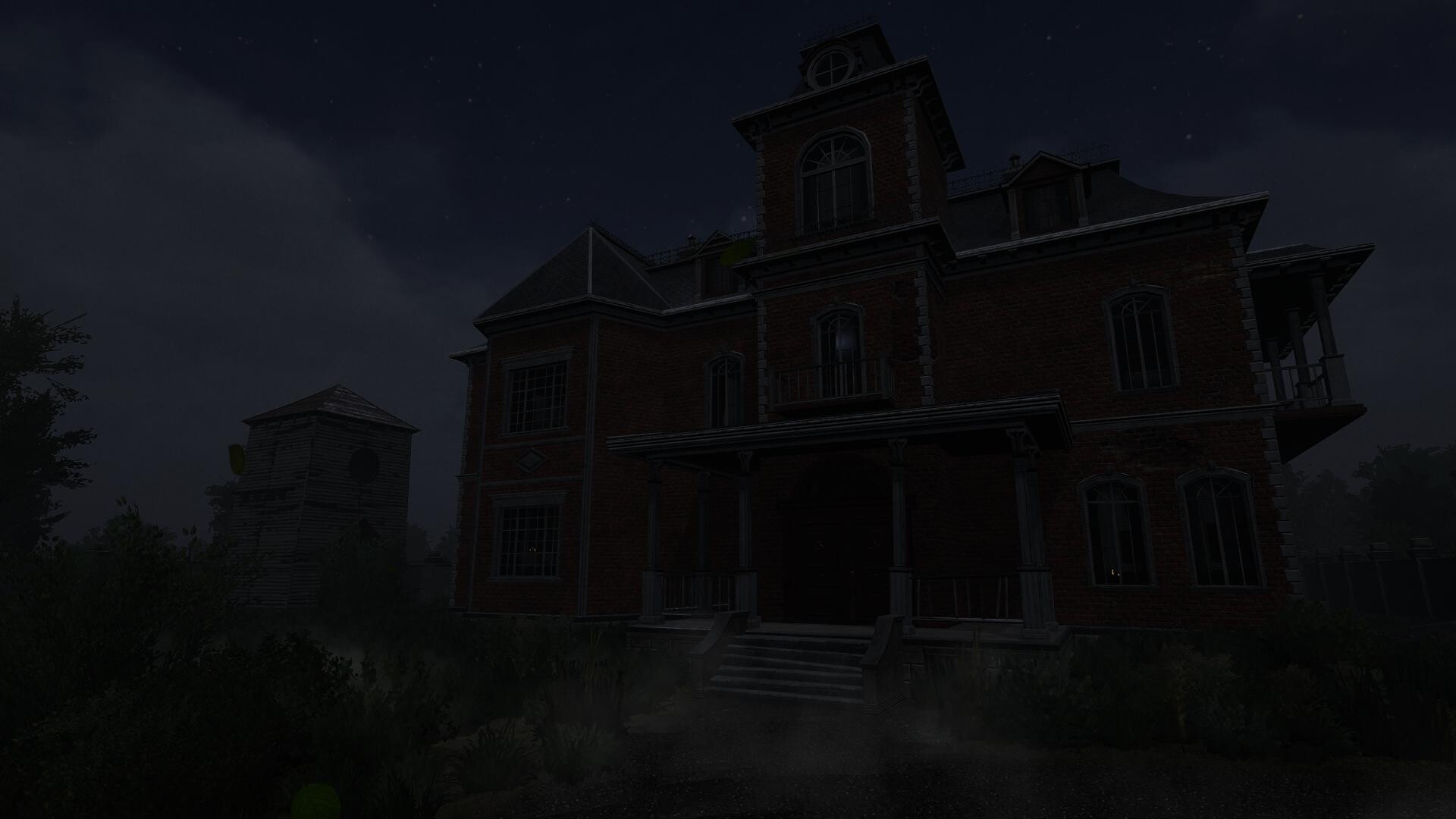
The official description emphasizes erased identities, rooms that look lived-in but lack photographs or names, and a silence “heavy with the sense that something happened here that was never meant to be discovered.” Those details matter because they let the environment carry the narrative weight: instead of being told when to fear, players infer danger from absent traces, locked doors, and the impression that systems and records have been intentionally altered or removed.
How you progress (what you do in the game)
The description makes the gameplay loop explicit: Jin restores power to the estate; secured systems come back online; hidden compartments unlock; safes yield fragments of encrypted documents and suspicious transfer records. Puzzle solving and investigative reading of manifests and decrypted fragments reveal a timeline and a larger operation involving falsified identities and arrivals/departures without witnesses. Progress is driven by environmental investigation and piecing together archival fragments rather than by combat or timed reflex challenges.
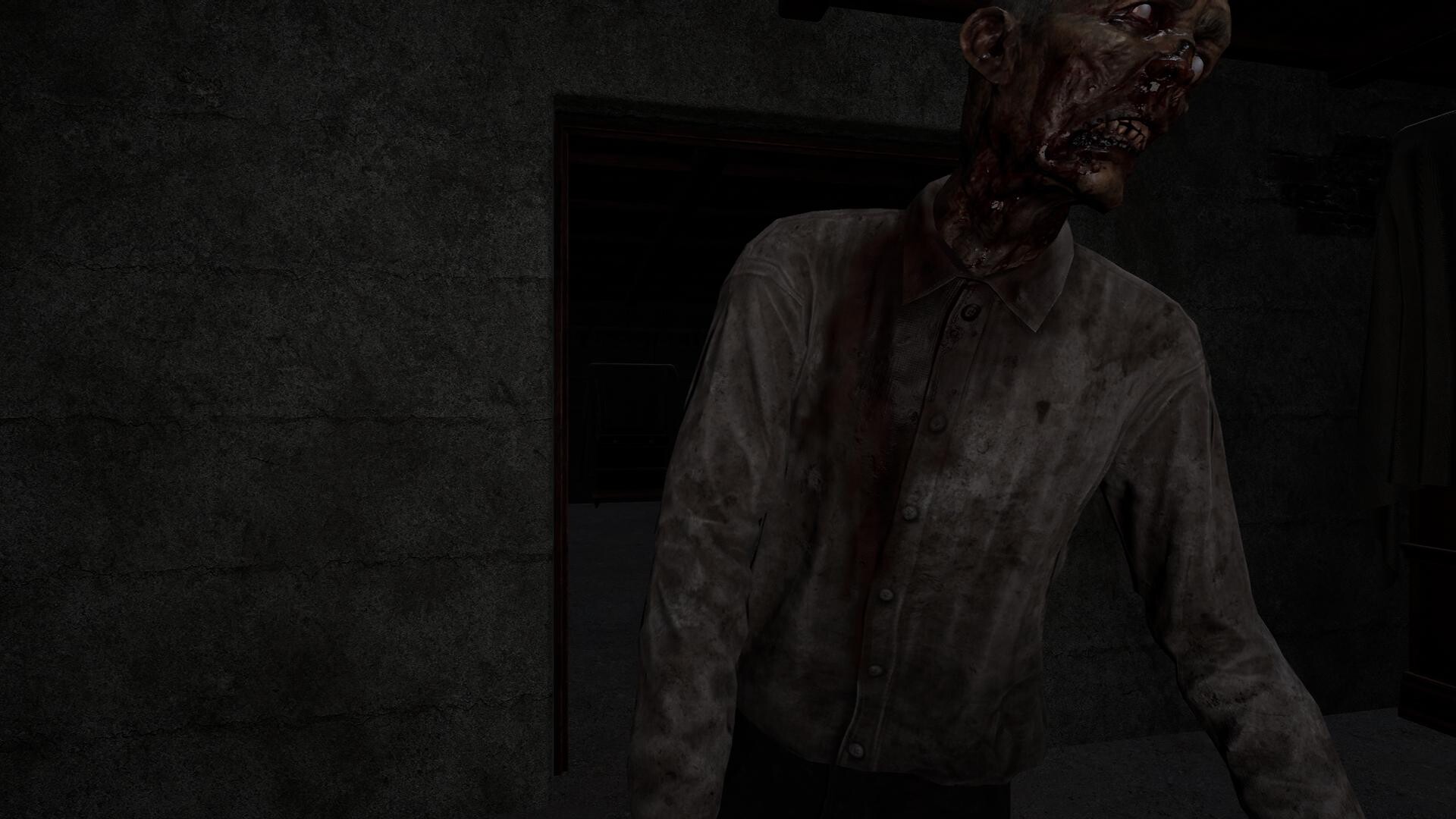
Official visuals
Compact facts: Trace of the Villa
| Title | Trace of the Villa |
|---|---|
| Steam AppID | 3483660 |
| Release date | 28 May, 2026 |
| Developer / Publisher | Steadyturtle Co., Ltd. |
| Official short description | Jin has spent years searching for his missing sister, pursuing leads that took him to a remote, decaying mansion where he recovered manifests and hints that indicate his sister may still be alive, somewhere at the end of the trail he is about to follow. |
| Genres | Action, Adventure, Indie |
| Notable Steam categories / accessibility | Single-player; Color Alternatives; Custom Volume Controls; Playable without Timed Input; Subtitle Options; Family Sharing |
How Trace of the Villa approaches tension (and why it matters)
There are two distinct ways horror games typically ask for your attention: the immediate jump-scare or the slow accretion of unease. Trace of the Villa, as described on Steam, aims for the latter. The game’s mechanics—restoring power, unlocking hidden compartments, reading encrypted fragments—put players in an investigative posture. Silence and negative space become design tools: an empty dresser or a missing photograph functions like a clue. That design choice favors sustained anxiety and lingering questions over the transient spike of a scripted scare.
Player scenarios — who should wishlist it
- Atmosphere-first explorers: You enjoy narrative puzzle design and letting a location tell its story through small, curated details.
- Document readers and puzzle solvers: If you like piecing together timelines via manifests, encrypted fragments, and reactivated systems, the game’s loop will reward that patience.
- Accessibility-conscious players: Steam categories indicate subtitle options, playability without timed input, custom volume controls, and color alternatives—useful signals for players who need them.
- Players who dislike twitch-based scares: The presence of “Playable without Timed Input” and the game’s investigative premise suggest a steadier pacing than reflex-dependent horror titles.
How it compares — quiet dread vs. other well-known titles
Below is a focused editorial comparison on atmosphere, puzzle focus, exploration style, story tone, and pacing. These comparisons are intended to help readers choose based on what they want from a psychological horror or tension-driven adventure.
| Title | Atmosphere | Puzzle / Investigation | Exploration Style | Story Tone | Pacing / Player Fit |
|---|---|---|---|---|---|
| Trace of the Villa | Quiet dread, unsettling room design; silence as narrative weight | Clue-driven: restore power, decrypt fragments, unlock compartments | Methodical mansion exploration with emphasis on archives and systems | Missing persons, falsified identities, erased histories | Slow-burn; suited to patient, detail-oriented players |
| Amnesia: The Dark Descent | Immersive, oppressive nightmare atmosphere | Puzzle and survival combined with sanity mechanics (emphasis on immersion) | Linear, first-person exploration focused on environmental immersion | Personal descent into horror and memory | Slow to mid pace; players seeking intense immersion |
| SOMA | Claustrophobic sci‑fi dread (underwater setting) | Investigation and narrative puzzles woven into sci‑fi systems | Exploration of confined, industrial spaces with narrative reveals | Existential and philosophical anxiety | Measured pace; story-driven players who want moral and conceptual weight |
| Layers of Fear (2016) | Psychological, shifting Victorian mansion atmosphere | Environmental puzzles tied to narrative and changing spaces | Unreliable room transformations; emphasis on hallucination and impression | Madness and obsession | Variable pace; players who enjoy surreal, shifting spaces |
| Poppy Playtime | High-concept toy-factory dread with more obvious set-pieces | Puzzle tools (GrabPack) integrated into hazard navigation | Structured, room-by-room segments with toy-factory motifs | Threatening, confrontational tone | Faster beats and clearer set-piece scares; players who like puzzle-action tension |
YouTube discovery
If you want to see trailers or gameplay footage, search for Trace of the Villa trailers and gameplay on YouTube: YouTube search: Trace of the Villa trailer & gameplay. Use this as a discovery path unless a specific official video is verified on the Steam page.
View Trace of the Villa on Steam
Disclaimer: referenced titles and trademarks belong to their respective owners; comparisons above are editorial discovery only and not claims of endorsement.
Leave a Reply