
Trace of the Villa — a premise-first guide for players who crave a layered mansion mystery
Trace of the Villa pitches a quiet, clue-driven investigation against the backdrop of a decaying, cut-off mansion: Jin has spent years searching for his missing sister and finds manifests and hints suggesting she may still be alive. If you prioritize atmosphere, environmental storytelling, and piecing together erased identities rather than upfront revelations, this is the kind of narrative puzzle that wants your patience and attention.

Quick facts
| Title | Trace of the Villa |
|---|---|
| Steam AppID | 3483660 |
| Release date | 28 May, 2026 |
| Developer | Steadyturtle Co., Ltd. |
| Publisher | Steadyturtle Co., Ltd. |
| Genres | Action, Adventure, Indie |
| Steam categories / accessibility | Single-player; Color Alternatives; Custom Volume Controls; Playable without Timed Input; Subtitle Options; Family Sharing |
| Official short premise | Jin has spent years searching for his missing sister, pursuing leads that took him to a remote, decaying mansion where he recovered manifests and hints that indicate his sister may still be alive, somewhere at the end of the trail he is about to follow. |
Who this is for
- Players who like atmospheric mystery adventure with an investigative protagonist rather than constant jump scares.
- Fans of environmental storytelling who enjoy reconstructing lives from objects, manifests, and encrypted fragments.
- People who prefer readable pacing and the option to play without timed inputs — the Steam categories indicate accessibility for slower, methodical play.
- Anyone who wants a story-first entry point: the game puts its premise (Jin’s search for his sister) up front, then lets context and backstory reveal themselves as you restore systems and unlock archives.
What the game actually does — premise and mechanics without spoilers
Trace of the Villa begins with a clear narrative hook: Jin arrives at a deliberately forgotten mansion and finds evidence of past occupancy but few identifiers. The official description details how restoring power to the estate brings secured systems back online, opens hidden compartments, and yields fragments of encrypted documents and suspicious transfer records.
Expect clue-driven exploration and puzzle work that is bound to narrative beats: solving environmental puzzles and accessing safes or systems is explicitly tied to uncovering timelines, falsified identities, and financial trails. The game’s listed genres (Action, Adventure, Indie) suggest there will be moments that require attention to movement or resource use, but the Steam categories highlight readability and accessibility features like subtitles and no timed inputs.
When and where
Trace of the Villa released on Steam on 28 May, 2026. It is available on the Steam PC storefront; the developer and publisher are Steadyturtle Co., Ltd.
Why the mansion theme matters here
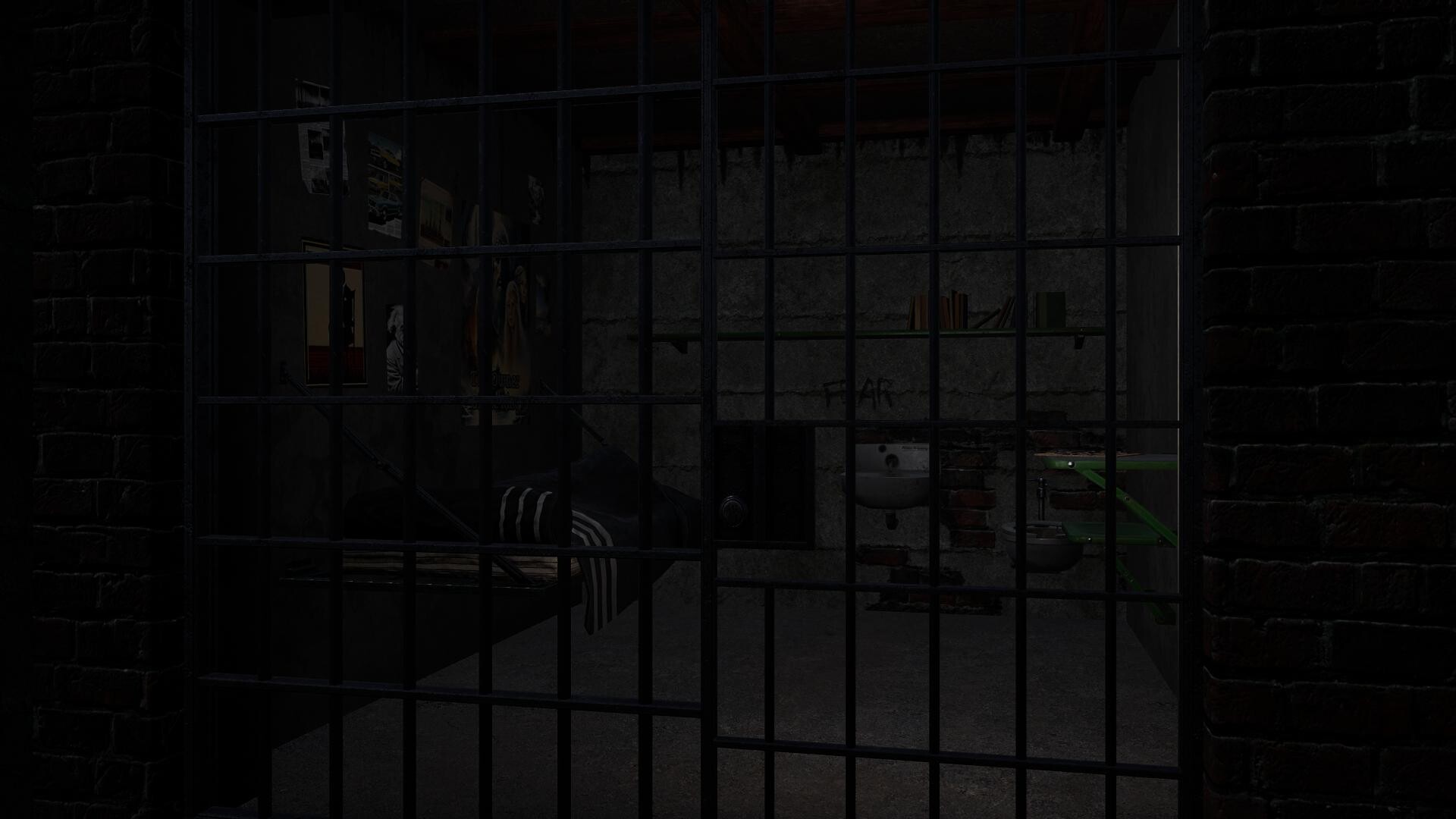
There’s a difference between a haunted-house mood and a mansion-as-documentary. The official description emphasizes erasure — rooms kept as if people vanished mid-routine, personal effects without names or photos, and systems deliberately stripped of identity. That framing signals the game’s narrative curiosity: you’re not only chasing “who did this” but “why were identities removed,” and the answers are embedded in the estate’s infrastructure, files, and objects rather than handed to the player in cutscenes.
How you read clues and progress
The game ties progression to restoration and forensic recovery. As Jin restores power, secured systems come back online, hidden compartments unlock, and safes yield fragments of encrypted documents and suspicious transfer records — each solved lock or decoded file feeds the timeline forward. From the official copy, you’ll be looking for:
- Manifests and transfer records that point to movements and finances.
- Encrypted fragments and safes that require environmental or logic-based puzzles to open.
- Environmental cues — furnished rooms, interrupted tasks, and the notable absence of photos or names — that hint at institutional erasure rather than random disappearance.

Player scenarios — which kind of player should wishlist it
Scenario A — You want a slow-burn investigative mood
If you enjoy reconstructing lives from objects and appreciate slow-burn suspense, this game’s framing around erased identities, manifests, and false records will reward careful note-taking and methodical solving.
Scenario B — You like narrative puzzles with accessible options
The Steam categories include “Playable without Timed Input” and subtitle options, so if you prefer to parse documents and think through puzzles at your own pace, Trace of the Villa supports that style of play.
Scenario C — You want mystery with occasional action beats
Listed under Action and Adventure, the game likely mixes exploration and interaction with moments requiring more active play. If you enjoy a blend of environmental puzzle work and occasional action-oriented navigation, this fits.
How this compares — lawful editorial comparison
Below is a focused comparison to nearby story-rich mystery and exploration titles to help you decide whether Trace of the Villa suits your tastes. These comparisons use genre, atmosphere, puzzle focus, exploration style, story tone, and pacing as criteria.
| Title | Genre / Atmosphere | Puzzle focus | Exploration style | Story tone / Pacing | Player fit |
|---|---|---|---|---|---|
| Trace of the Villa | Action / Adventure / Indie; decaying mansion, erased identities | Document-forensics, environmental puzzles, encrypted fragments | Interior-led, investigative traversal of a single estate | Slow-burn, clue-driven, reveals via restored systems | Players who like methodical detective work and atmospheric mystery |
| Inscryption | Adventure / Indie; inky, psychological | Card-driven puzzles with meta layers | Constrained spaces with emergent meta-exploration | Daringly theatrical and unsettling; variable pacing | Players who like psychological twists and genre-bending puzzles |
| Outer Wilds | Action / Adventure; cosmic mystery, exploratory awe | Environmental puzzles tied to astronomy and time mechanics | Open-system solar exploration across multiple locations | Curious, contemplative, discovery-driven pacing | Players who favor exploration and systemic puzzles over confined narrative spaces |
| Journey | Adventure / Indie; minimalist, emotional | Light, traversal-focused puzzles | Expansive, open areas with symbolic landmarks | Poetic and meditative; slow, emotional pacing | Players seeking mood and nonverbal storytelling more than forensic detail |
| The Forgotten City | Adventure / Indie / RPG; time-loop, moral mystery | Dialogue and logic puzzles exploiting time mechanics | Exploration of a contained, ancient environment with temporal loops | Intellectual, moral-weighted pacing with deliberate reveals | Players who enjoy narrative puzzles entwined with philosophy and consequence |
| The Medium | Adventure; psychological horror, dual-realm exploration | Puzzles across parallel realities |
Leave a Reply