
Trace of the Villa — an inspection-first mansion mystery for clue readers
Trace of the Villa puts you in the shoes of Jin, a man following cold leads to a decaying, off-grid mansion where manifests and encrypted fragments suggest his missing sister might still be alive. Released on 28 May, 2026 by Steadyturtle Co., Ltd., the game foregrounds object logic, environmental puzzles, and slow, inspection-heavy play rather than reflex or timed threats.

What Trace of the Villa is
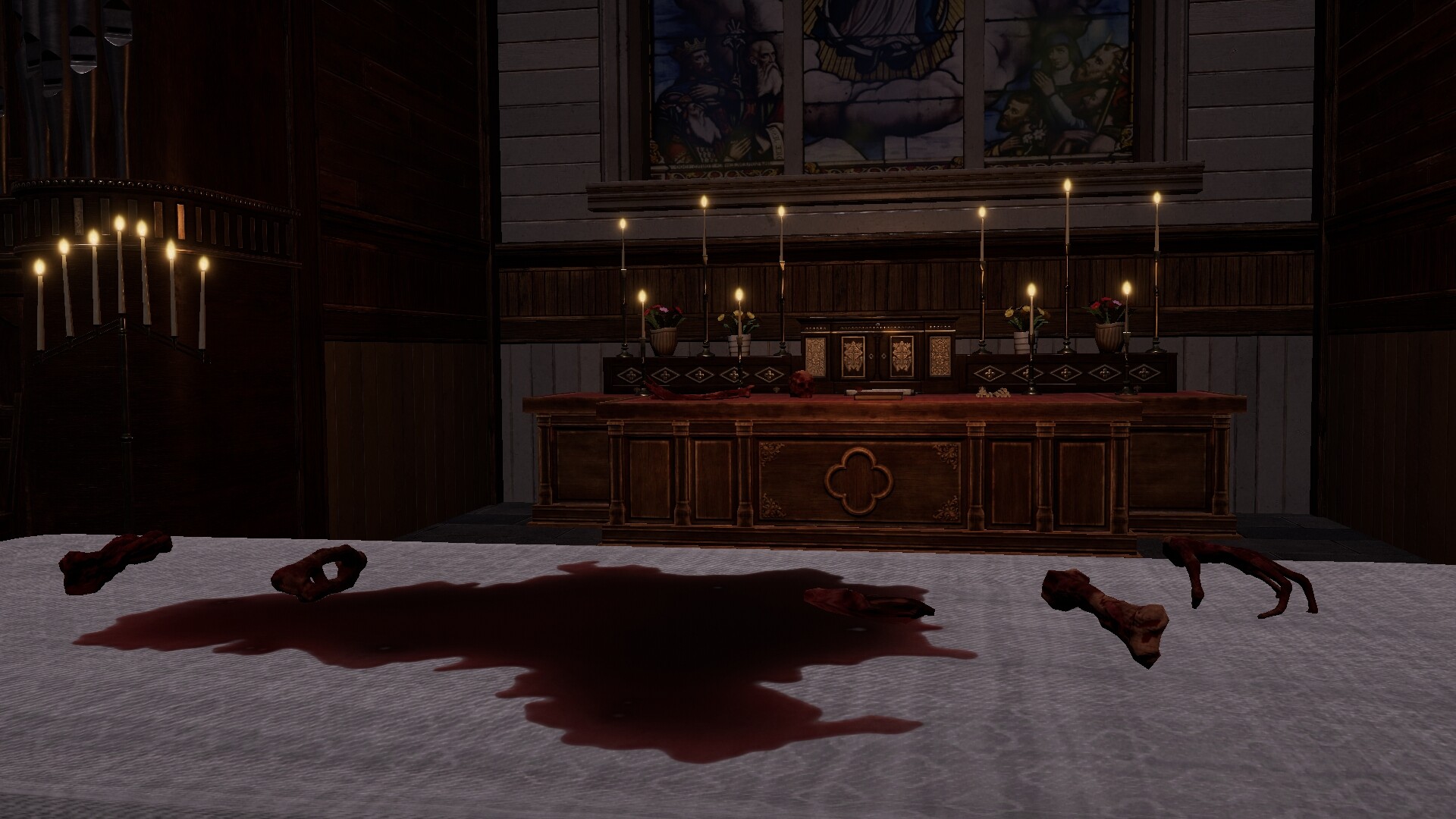
At its core this is an atmospheric mystery adventure with a narrative puzzle design bent: Jin finds a deliberately forgotten mansion where rooms look as if occupants vanished mid-routine, identities seem erased, and secured systems hide layers of evidence. When Jin restores power to the estate, the house begins to reveal what it was hiding — systems come back online, hidden compartments open, and safes yield fragments of encrypted documents and suspicious transfer records. The official short description frames the plot as a personal investigation into a larger, concealed operation.
Who this game is for
If you favor inspection-heavy gameplay where progress comes from reading space, assembling clue chains, and applying object logic, Trace of the Villa is aimed at you. This is less about action set pieces and more about methodical exploration: scanning rooms for inconsistencies, restoring infrastructure to access new systems, and interpreting the forensic remains of human routines. Players who enjoy locked-room thinking, slow-burn suspense, and story-driven mystery will find the pacing and focus familiar.
When and where
Trace of the Villa released on Steam on 28 May, 2026. It is presented on the Steam store as a single-player indie title developed and published by Steadyturtle Co., Ltd., categorized under Action, Adventure, and Indie.
Why the mansion setup matters
The mansion premise forces a particular kind of detective play: environments are written as evidence. Furniture left in mid-motion, missing photographs, and falsified records all become puzzle-signals rather than mere backdrop. Because identity and movement are deliberately obscured in the story, the player’s primary tool is careful observation — noticing what’s been removed or tampered with, then testing how physical systems and documents interlock.
How you progress — reading the environment
Progress in Trace of the Villa is a chain of localized deductions. You restore power to unlock secured systems; that reveals compartments and safes which, when opened, provide partial documents or manifests. Those fragments point to other rooms or systems to interrogate. The game rewards methodical inspection: an object’s placement, an interrupted domestic activity, or an anomalous record can be the connective tissue between puzzles. Expect to piece together timelines from small artifacts rather than solve a single plaintext riddle.

Concrete facts
| Title | Trace of the Villa |
|---|---|
| Release date | 28 May, 2026 |
| Developer / Publisher | Steadyturtle Co., Ltd. |
| Genres | Action · Adventure · Indie |
| Steam categories | Single-player; Color Alternatives; Custom Volume Controls; Playable without Timed Input; Subtitle Options; Family Sharing |
| Short premise | Jin searches a remote, decaying mansion and recovers manifests suggesting his missing sister may still be alive. |
| Steam page | Trace of the Villa on Steam |
How it compares — helpful analogues
Below is a concise, editorial comparison to nearby mystery and escape-room titles so you can see where Trace of the Villa sits in the spectrum of puzzle-driven play.
| Title | Genre / Atmosphere | Puzzle focus | Exploration style & pacing | Player fit |
|---|---|---|---|---|
| The Room | Adventure — intimate, claustrophobic | Object-driven mechanical puzzles (single-chamber, tactile) | Focused, chapter-like rooms with tightly wrapped puzzles; deliberate pacing | Players who enjoy handcrafted mechanical puzzles and close inspection |
| The Room Two | Adventure — expanded, cryptic | Multi-stage object puzzles with layered mechanical ingenuity | Similar to The Room but broader in scope; puzzle density remains high | Those who liked the first title but want longer, more elaborate puzzle chains |
| Escape Simulator | Adventure / Simulation — playful, interactive | Highly interactive escape rooms; physics and manipulation-heavy | Modular rooms, faster solving tempo; supports solo and co-op and user rooms | Players who like physical interaction, sandbox puzzling, and co-op play |
Editorial note: Trace of the Villa sits closer to The Room line in inspection focus and atmosphere, but leans more on environmental storytelling and document-based clue chains rather than mechanical boxes alone.
Player scenarios — when you’ll enjoy this most
- Evening of slow investigation: you have a few hours to sink into methodical room-by-room observation and want a paced, story-first unraveling.
- Object-logicians: you enjoy treating objects as evidence and building timeline theories from artifacts and partial records.
- Environment readers: you prefer narrative delivered through space and traces rather than character monologues or cutscenes.
- Non-timed puzzle players: the Steam page lists “Playable without Timed Input”, so if you dislike timers this suits steady thinkers.
YouTube discovery
For trailer and gameplay discovery, use YouTube search rather than relying on unverified embeds: Find Trace of the Villa trailer and gameplay searches on YouTube.
Leave a Reply