
Trace of the Villa — a slow-burn mansion mystery built around investigation and erased identities
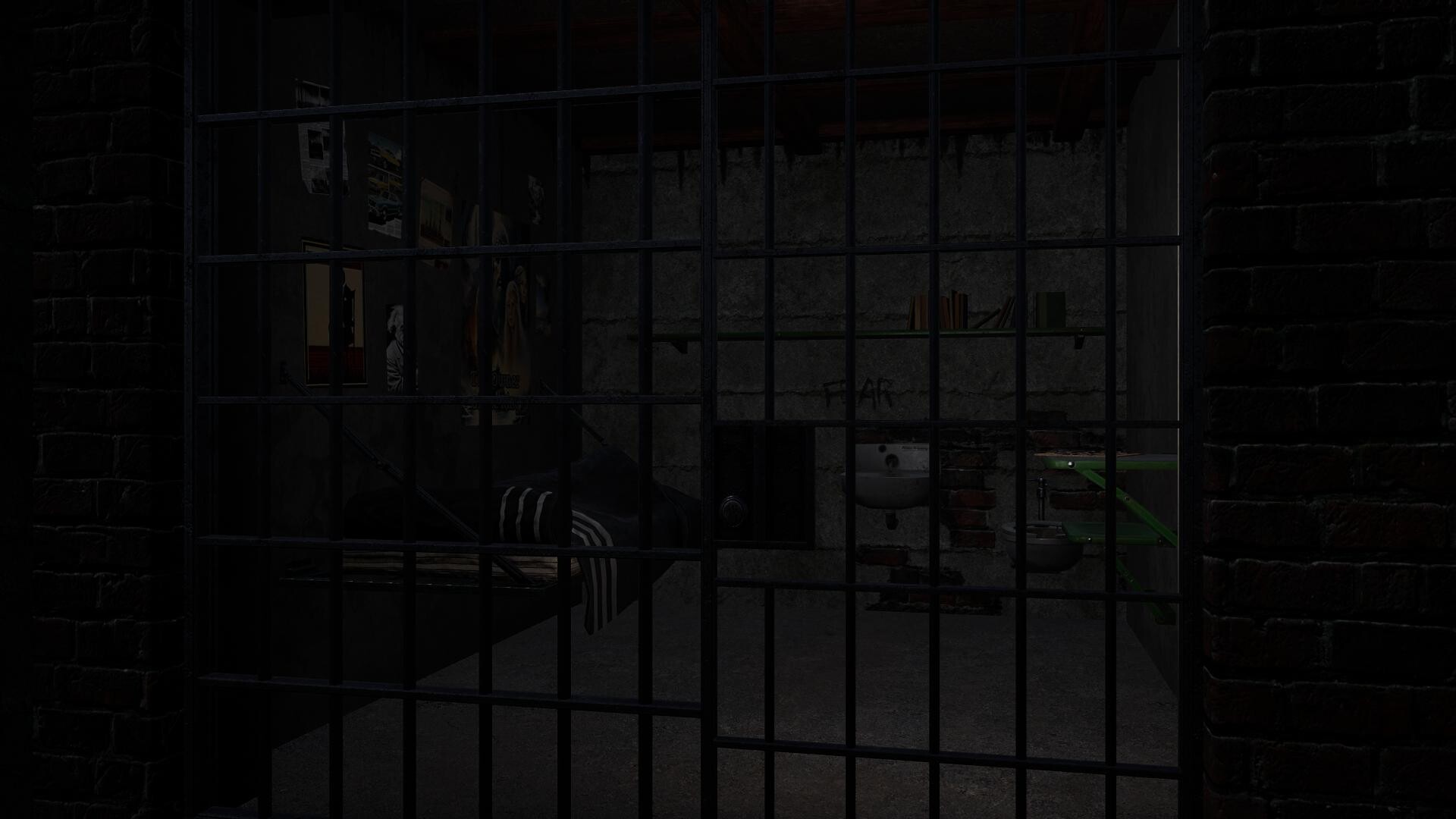
Steadyturtle Co., Ltd.’s Trace of the Villa drops you into Jin’s quiet, obsessive search for a missing sister inside a deliberately forgotten estate — a decaying mansion that holds manifests, encrypted fragments, and the sense that identities were undone. Released on 28 May, 2026 on Steam, the game frames investigation as an emotional drive: every recovered document and powered-up system feels like one more answer toward whether Jin’s sister is still alive.

Who, what, when, where, why, and how — the concrete essentials
- Who it is for: players who prize narrative curiosity, environmental storytelling, and clue-driven exploration over combat spectacle — people who want their motivation supplied by a personal stake (a missing sibling) rather than an immediate threat.
- What the game is: an Action/Adventure indie focused on investigation in a remote, decaying mansion where Jin recovers manifests and hints indicating his sister may still be alive. The Steam page lists genres as Action, Adventure, Indie and categories such as Single-player, Color Alternatives, and Subtitle Options.
- When/where: available on Steam since 28 May, 2026. Steam store page: https://store.steampowered.com/app/3483660/Trace_of_the_Villa/?utm_source=traceofthevilla&utm_medium=wordpress_blog&utm_campaign=en_story_rich_indie_games
- Why the theme matters: the core conceit — a house that looks like it was erased, with rooms frozen mid-routine and identities scrubbed — turns standard mansion-mystery tropes into a psychological investigation about memory, bureaucracy, and the traces people leave behind.
- How players progress: the estate responds when Jin restores power: secured systems come back online, hidden compartments unlock, safes yield fragments of encrypted documents and suspicious records. Progress is clue-driven and piecemeal; discovery of manifests and financial trails builds a timeline that points toward people who arrived without records and left without witnesses.
Quick facts
| Title | Trace of the Villa |
|---|---|
| Release date | 28 May, 2026 |
| Developer / Publisher | Steadyturtle Co., Ltd. |
| Genres | Action, Adventure, Indie |
| Steam categories | Single-player; Color Alternatives; Custom Volume Controls; Playable without Timed Input; Subtitle Options; Family Sharing |
| Steam AppID | 3483660 |
| Official short description | Jin has spent years searching for his missing sister, pursuing leads that took him to a remote, decaying mansion where he recovered manifests and hints that indicate his sister may still be alive, somewhere at the end of the trail he is about to follow. |
How the narrative hook drives player motivation and emotional stakes
Trace of the Villa sets up a single, personal question — is Jin’s sister alive? — and turns that question into fuel for exploration. Rather than immediate jumpscares or constant threats, the game’s tension comes from recovering artifacts that contradict each other: an occupied room with no name, a transfer record that terminates in nothing. Each unlocked system or decrypted fragment raises the stakes because it reframes what “erased” means here: not just abandoned house, but an active concealment. That emotional weight — the possibility of rescue, the fear of what you’ll find — is the game’s engine.

Player scenarios — who should wishlist this
- If you like layered detective work: you enjoy reading transcripts, comparing manifests, and following digital breadcrumbs. The game rewards players who compile fragments into timelines rather than those expecting continuous action.
- If you prefer emotional narrative stakes: the missing-sister premise gives tangible personal motivation for exploration — this is a search that feels necessary, not optional.
- If you want slow-burn suspense over constant horror: the atmosphere is about withheld information and methodical revelation; pace is deliberate, with tension built by discovery moments like safes opening or encrypted logs yielding context.
- If accessibility matters: Steam categories include Subtitle Options, Color Alternatives, and Playable without Timed Input, which help players who prefer reading-driven or non-twitch experiences.
How Trace of the Villa compares to nearby narrative mysteries
| Title | Core mystery style | Puzzle emphasis | Pacing & tone | Player fit |
|---|---|---|---|---|
| Trace of the Villa | House-as-evidence; erased identities and institutional concealment | Clue-driven: documents, secured systems, encrypted fragments | Slow-burn, investigative, emotionally motivated | Players who want methodical discovery and a personal narrative drive |
| Inscryption | Meta card-based horror that unfolds through layered reveals | Puzzle/escape-room elements integrated with deckbuilding | Claustrophobic, surreal, increasingly meta | Players who enjoy genre-blending surprises and mechanical twists |
| Outer Wilds | Cosmic mystery and timetable-based exploration (time loop) | Environmental puzzles tied to astronomical phenomena | Gentle wonder mixed with creeping dread; discovery-led | Explorers who like non-linear timelines and uncovering lore through traversal |
| The Forgotten City | Narrative mystery with time-loop mechanics and moral stakes | Puzzle solving often tied to dialogue and timeline manipulation | Paced around consequences and moral choices | Players who want narrative branching and puzzle-led ethics |
| The Medium | Psychological horror splitting real and spirit realms | Puzzles using dual-reality perspective | Dark, atmospheric, psychologically tense | Players seeking horror framed through story and atmosphere |
Editorial takeaway: if your appetite is for atmospheric mystery adventure and methodical evidence-gathering where narrative curiosity and a personal motive drive every unlocked secret, Trace of the Villa is aligned with that taste. If you want genre-bending mechanics or time-loop paradoxes, other titles above follow those specific paths.
Practical notes on progression and accessibility
The Steam page lists features such as Subtitle Options, Color Alternatives, Custom Volume Controls, and Playable without Timed Input — signals the game is designed for reading- and puzzle-forward play rather than twitch-dependent sequences. The in-game emphasis on restoring power, reactivating systems, and decrypting fragments suggests sessions will mix exploration with puzzle-unlocking beats where patient note-taking pays off.
YouTube discovery
Looking for trailers or gameplay clips? Use the YouTube search path (search results may include developer trailers and community captures): Trace of the Villa trailer & gameplay search on YouTube.
Disclaimer
Referenced titles and trademarks belong to their respective owners. Comparisons above are editorial discovery only, focused on genre, atmosphere, puzzle style, exploration, pacing, and player fit.
Leave a Reply