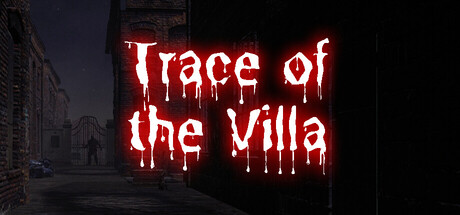
Trace of the Villa and the Case for Slow-Burn Psychological Horror on PC
Trace of the Villa is a story-led mystery adventure that trusts silence, atmosphere, and patient investigation over jump-scare theatrics. Built around a decaying mansion and a protagonist following a fragile trail to a possibly living missing sister, the game emphasizes environmental storytelling and clue-driven exploration more than sudden shocks.

Who should care?
Players who prefer slow-burn suspense and investigative pacing over constant shocks will find Trace of the Villa relevant. If you enjoy exploration-heavy, story-rich PC mystery games where atmosphere and puzzles reveal plot fragments rather than on-screen jolts, this title is aimed at you. The Steam page also lists accessibility and quality-of-life options (subtitle options, custom volume controls, color alternatives, and playable without timed input), which helps players who want to focus on reading and atmosphere rather than reflex-driven encounters.
What the game is
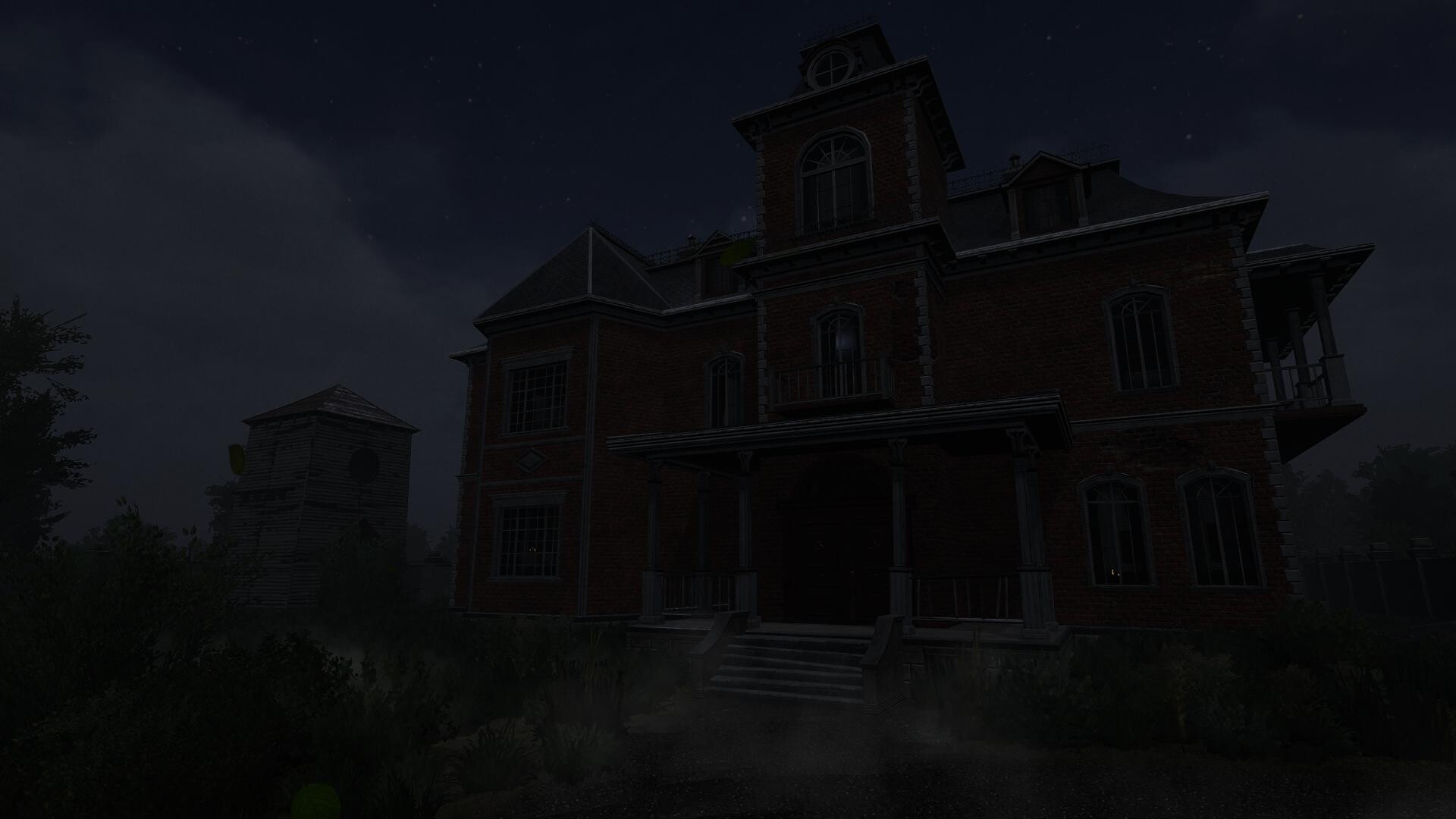
Trace of the Villa places you in Jin’s shoes: a character who has spent years searching for a missing sister and follows a lead to a remote, decaying mansion. According to the official Steam description, the estate appears deliberately forgotten, with rooms left as if occupants vanished mid-routine. Restoring power and investigating secured systems uncovers encrypted documents, suspicious transfer records, and a pattern of arrivals and departures that lack normal records — the sort of narrative scaffolding that invites patient decoding rather than instant terror.
When and where
Trace of the Villa released on 28 May, 2026 on Steam. It’s presented as a single-player PC experience under the Action / Adventure / Indie genres on its Steam store page.
Why quiet tension and uncertainty matter more than shock claims
Quiet tension operates on a different schedule than jump scares. Where a loud scare rewards a reflex, slow-burn uncertainty keeps the player in a state of sustained attention: odd layout choices, half-finished scenes, missing names, and paperwork that doesn’t add up all encourage inference. That layered ambiguity makes discoveries feel earned — each restored circuit or unlocked compartment carries narrative weight because the game has primed you to notice the small, telling details.

How you play and progress
The Steam description indicates progression comes from restoring systems, unlocking hidden compartments, and recovering encrypted fragments and manifests. That suggests a gameplay loop of exploration, puzzle-solving, and piecing together a timeline — an investigative flow where careful reading of documents and environmental cues drives forward momentum rather than combat or timed evasion. The categories listed on the store page (Subtitle Options, Playable without Timed Input) underline the developer’s focus on contemplative play rather than twitch mechanics.
Player scenarios — who will enjoy this and why
- Evidence readers: You like deciphering documents, connecting fragments, and forming theories. Trace of the Villa’s encrypted records and manifests feed that itch.
- Atmosphere-first explorers: If you savor slow reveals and richly staged rooms that suggest a life rather than shout one, the mansion setting and preserved interiors will appeal.
- Puzzle-focused players who dislike pressure: With options for no timed input, the game looks suited to players who prefer reflective puzzles and deliberate pacing.
- Accessibility-conscious players: Custom volume controls, color alternatives, and subtitle support listed on Steam make it approachable for players with specific sensory preferences.
Compact facts — Trace of the Villa
| Title | Trace of the Villa |
|---|---|
| Release date | 28 May, 2026 |
| Developer | Steadyturtle Co., Ltd. |
| Publisher | Steadyturtle Co., Ltd. |
| Steam AppID | 3483660 |
| Genres | Action, Adventure, Indie |
| Categories (selected) | Single-player; Color Alternatives; Custom Volume Controls; Playable without Timed Input; Subtitle Options; Family Sharing |
| Short premise | Jin searches a remote, decaying mansion for clues that his missing sister may still be alive. |
How it compares — editorial discovery
The table below is a straightforward editorial comparison on atmosphere, puzzle focus, exploration style, story tone, and pacing to help you decide which slower psychological horror fits your preferences.
| Game | Genre / Label | Atmosphere & Tone | Puzzle / Exploration Focus | Pacing / Player Fit |
|---|---|---|---|---|
| Trace of the Villa | Action / Adventure / Indie | Decaying mansion, oblique records, quiet unease. | Clue-driven, unlocked systems, encrypted fragments. | Slow-burn; suited to patient investigators and readers. |
| Amnesia: The Dark Descent | First-person survival horror | Claustrophobic, dread-heavy immersion. | Exploration with sanity mechanics; environment as threat. | Intense immersion; suspense balanced with survival tension. |
| SOMA | Sci-fi psychological horror | Undersea, existential; eerie and philosophical. | Exploration and narrative puzzles, thought experiments. | Slow to mid paced; story-focused and contemplative. |
| Layers of Fear (2016) | First-person psychological horror | Shifting mansion, surreal, art-driven dread. | Environmental puzzles, shifting architecture that tells story. | Variable pacing with strong emphasis on atmosphere. |
| Poppy Playtime | Horror / Puzzle adventure | Playful exterior, menacing interiors, toy-centric dread. | Puzzle tools (GrabPack) used to solve environment-based puzzles. | More action-oriented puzzle beats; higher on spectacle than quiet tension. |
Where to watch a trailer or gameplay examples
If you want to see footage before you decide, search YouTube for trailers and gameplay using this query path (useful for discovery and non-official captures): Trace of the Villa trailer & gameplay on YouTube. This link is intended for discovery; do not assume every video is an official developer trailer unless the upload is verified.
View Trace of the Villa on Steam
Disclaimer: Referenced titles and trademarks belong to their respective owners. Comparisons above are editorial discovery only, meant to help match player preferences across atmosphere, puzzle style, exploration, and pacing.
Leave a Reply