
Trace of the Villa and the Case for Quiet, Slow-Burn Horror on PC
Trace of the Villa arrives as a story-first mystery set inside a deliberately forgotten mansion, where small discoveries and the patient accumulation of clues replace cheap shocks. If you favor atmospheric mystery adventure and environmental storytelling that grows on you rather than hits you once and moves on, this Steam release is aimed squarely at that sensibility.
Who: Who should wishlist Trace of the Villa?
Trace of the Villa (Steadyturtle Co., Ltd.) is for players who prefer psychological investigation over twitch reflexes: explorers who enjoy reading manifests, piecing together timelines, and letting tension rise through unanswered questions. Its Steam categories — Single-player, Playable without Timed Input, Subtitle Options, Custom Volume Controls and Color Alternatives — also suggest a slower, more deliberate playstyle and some accessibility considerations, making it a fit for story-focused players rather than those seeking nonstop action.
What: What is the game?
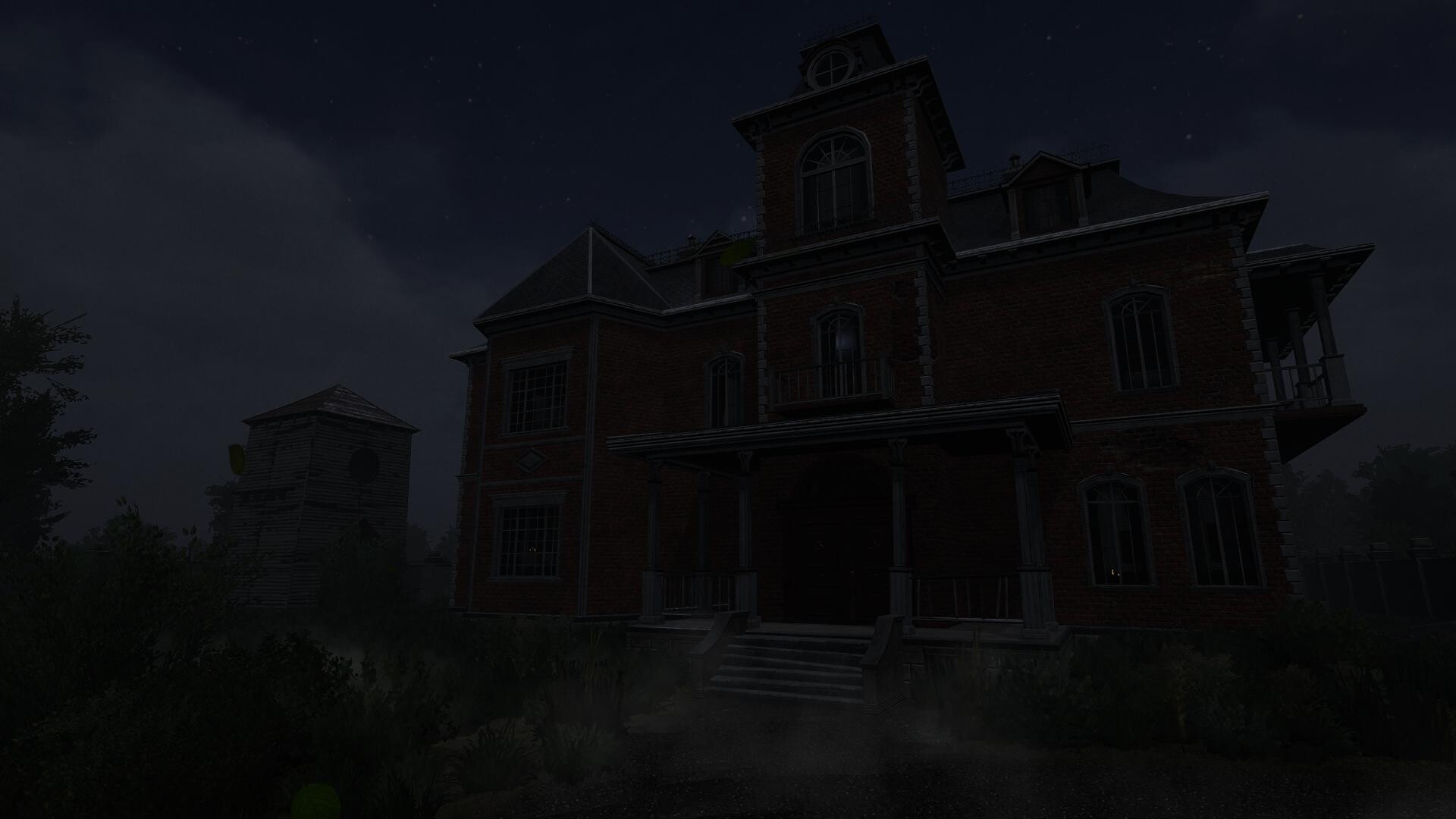
Officially described on Steam, Trace of the Villa follows Jin, a man who has been searching for his missing sister for years. A new lead sends him to a decaying, off-the-grid mansion where recovered manifests, encrypted documents and other fragments indicate someone may still be alive at the end of the trail. The estate’s restored systems and unlocked compartments reveal layers of a careful operation — falsified identities, unexplained transfers, and people who passed through without records. The game’s listed genres are Action, Adventure, Indie, and it sells itself as a narrative-driven, clue-driven exploration of a place where identities feel erased.
When / Where: Availability on Steam and basic storefront context
Trace of the Villa released on 28 May, 2026 and is available on Steam for PC. The developer and publisher listed on the Steam page are both Steadyturtle Co., Ltd. The Store page includes header and screenshot assets you can preview before deciding to wishlist or buy.


Why: Why quiet tension matters more than shock claims
Psychological horror that layers uncertainty over time rewards patience. In a mansion-mystery like Trace of the Villa, each restored system, unlocked safe, or fragment of a manifest increases dread not by startling the player but by enlarging the scope of the unknown. That slow accumulation—rather than repeated jump-scares—keeps the player invested in interpretation: who was here, what were they doing, and why are identities missing? For many players, that gradual tightening of narrative threads yields a more memorable emotional effect than headline-ready shocks.
How: How you progress — reading clues, restoring systems, and piecing the timeline
The Steam description makes the game’s loop clear: restore power, bring systems back online, open locked compartments and decrypt fragments to reconstruct a hidden operation. Progress is driven by exploration and puzzle solving tied to environmental storytelling rather than combat or speed; categories like Playable without Timed Input underscore a design that prioritizes investigation over reflexes. Expect to follow manifests, piece together suspicious transfer records, and trace falsified identities to map a timeline of arrivals and departures.
Quick facts: Trace of the Villa
| Title | Trace of the Villa |
|---|---|
| Release date | 28 May, 2026 |
| Developer / Publisher | Steadyturtle Co., Ltd. |
| Genres | Action, Adventure, Indie |
| Key Steam categories | Single-player; Color Alternatives; Custom Volume Controls; Playable without Timed Input; Subtitle Options; Family Sharing |
| Steam page | Trace of the Villa on Steam |
How it sits next to other slow-burn psychological titles
Below is a focused editorial comparison emphasizing atmosphere, puzzle focus, exploration style and pacing — not quality claims or endorsements.
| Game | Year | Atmosphere / Tone | Puzzle / Exploration Focus | Pacing |
|---|---|---|---|---|
| Amnesia: The Dark Descent | 2010 | Claustrophobic, immersion-first survival horror | Exploration and environmental discovery; survival elements | Slow-burn with moments of high tension |
| SOMA | 2015 | Sci-fi existential dread beneath the sea | Story-driven exploration with puzzle sequences | Measured, reflective pacing |
| Layers of Fear (2016) | 2016 | Psychological, surreal Victorian mansion | Atmosphere and narrative puzzles; shifting environments | Slow, deliberately unsettling |
| Poppy Playtime | 2021 | Tense, toy-factory horror with action-puzzle setpieces | Puzzle mechanics integrated with gadgetry (GrabPack) | More immediate, episodic tension |
Where Trace of the Villa sits: it leans toward the narrative, environmental, and investigative end of this spectrum — closer to Layers of Fear and SOMA in pacing and investigative emphasis than to more mechanic-driven action-horror like Poppy Playtime.
Player scenarios: Who will enjoy Trace of the Villa
- The patient investigator: You appreciate reading through manifests, piecing together a timeline, and letting tension build as new archival fragments appear.
- The environmental storyteller: You prefer games where rooms and personal effects tell half the story and where finding a locked compartment can re-contextualize everything you’ve seen.
- The accessibility-minded player: Categories like Playable without Timed Input, Subtitle Options and Custom Volume Controls indicate design choices that respect different playstyles and needs.
- The jump-scare averse: If you dislike rapid, repeated startles and instead want dread that accumulates from mystery and implication, this fits better than shock-first horror.
YouTube discovery
If you want trailer or gameplay footage, use this search path to find available videos: Search Trace of the Villa trailer / gameplay on YouTube. This link is
Leave a Reply